Hetian Jade & Heritage Pendants: Traditional Chinese Craftsmanship & Cultural Symbolism
Overview:
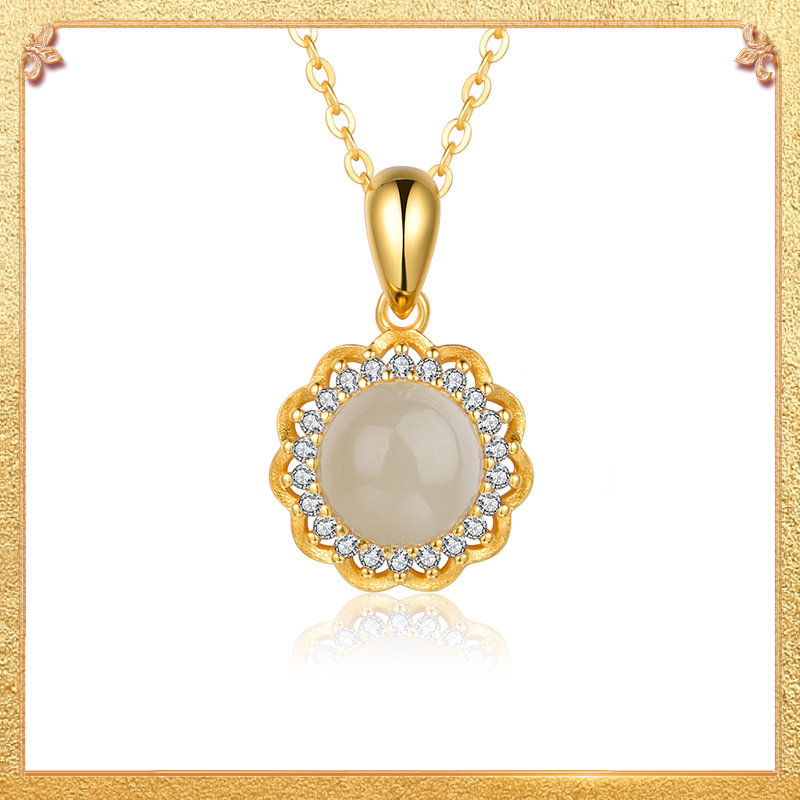
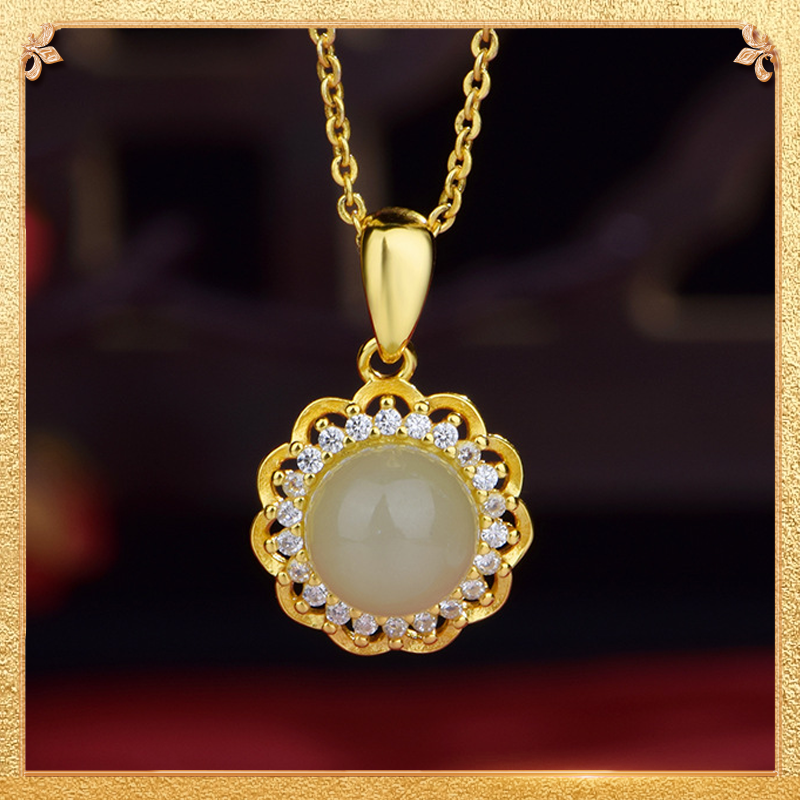
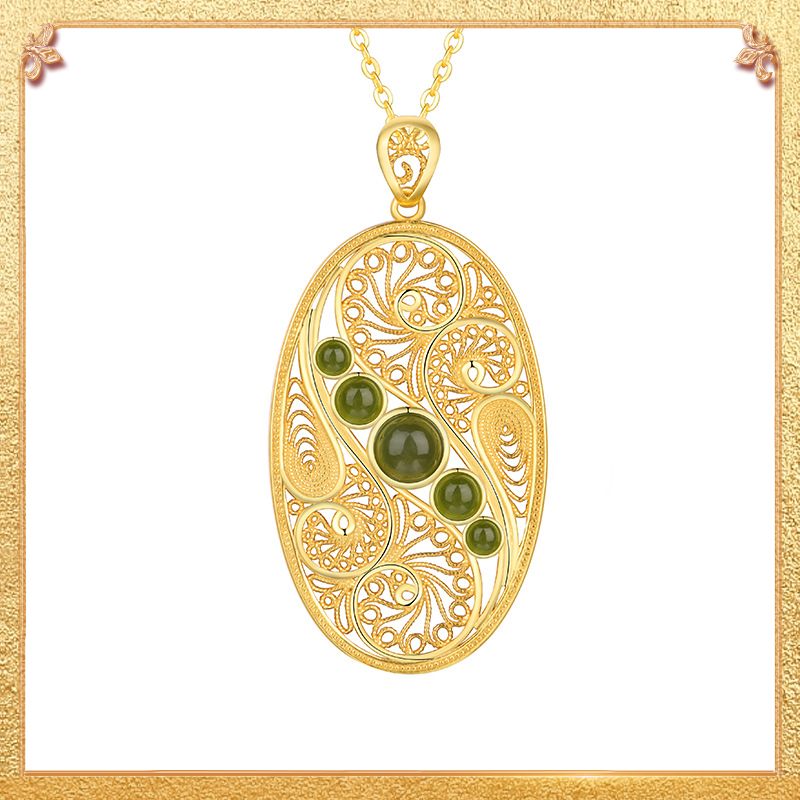
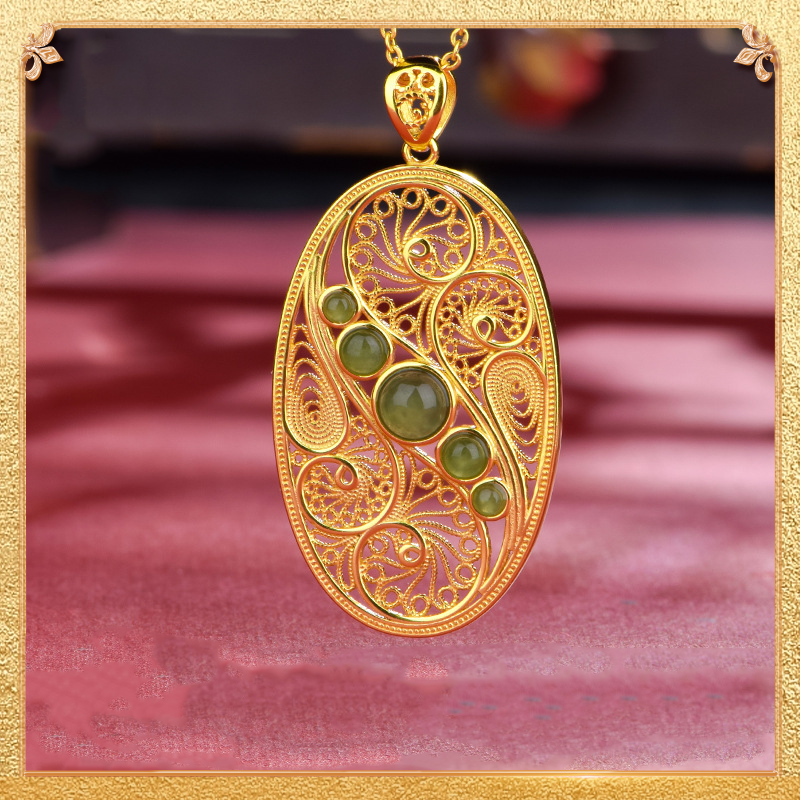
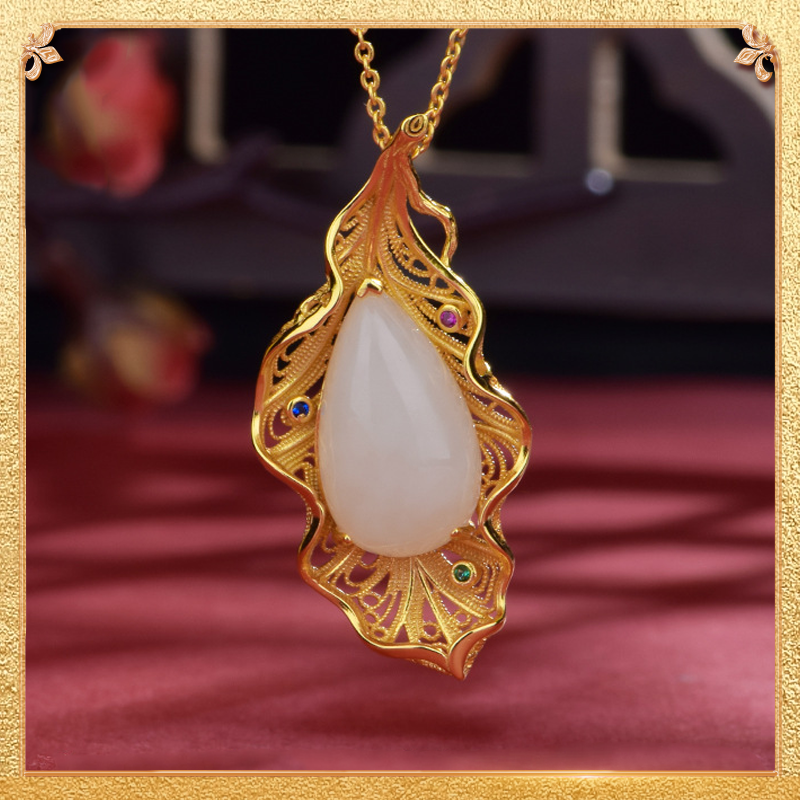
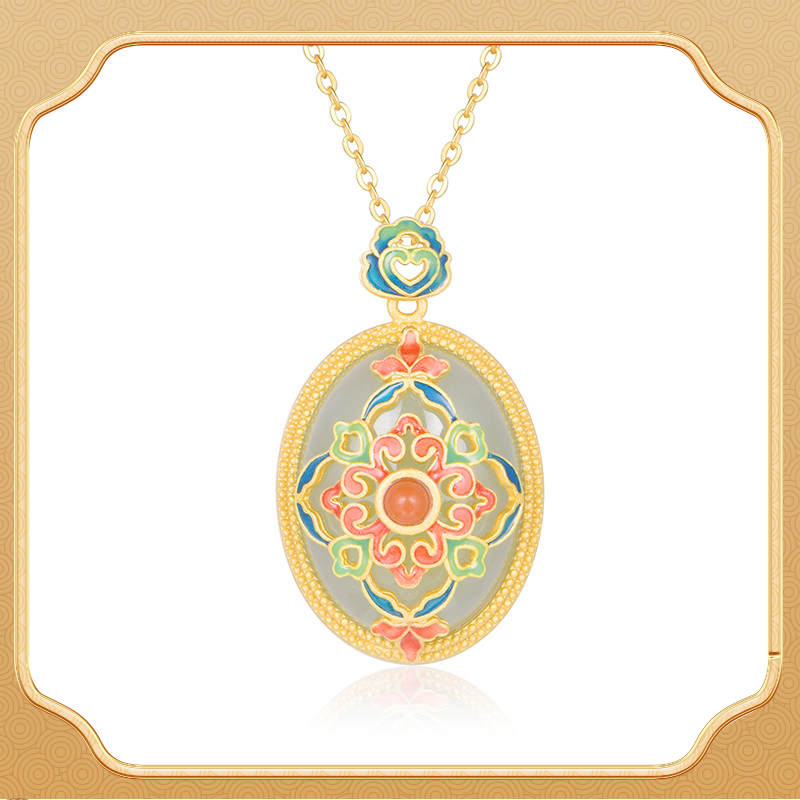
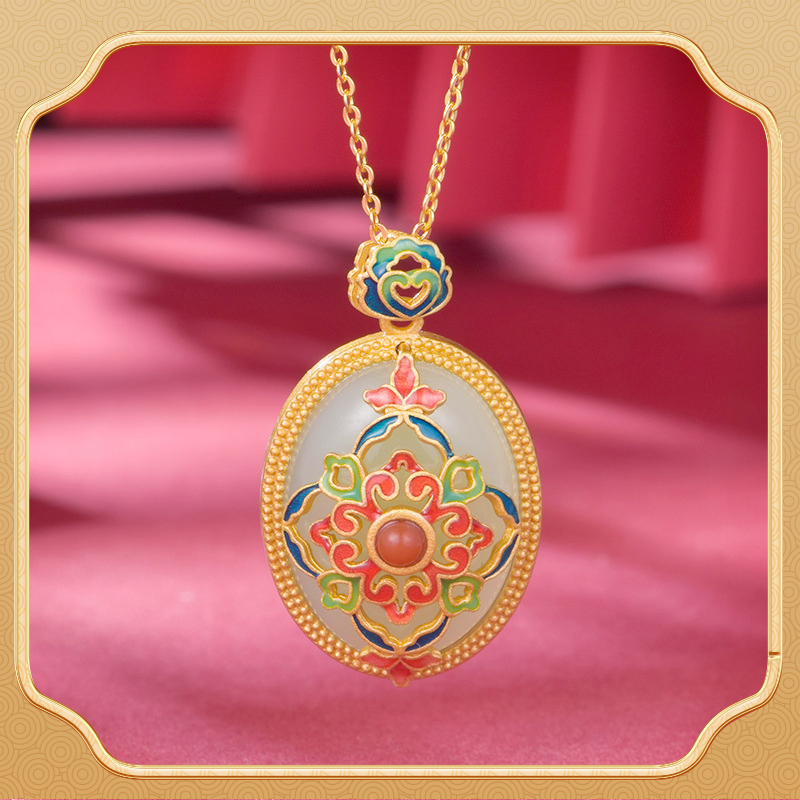
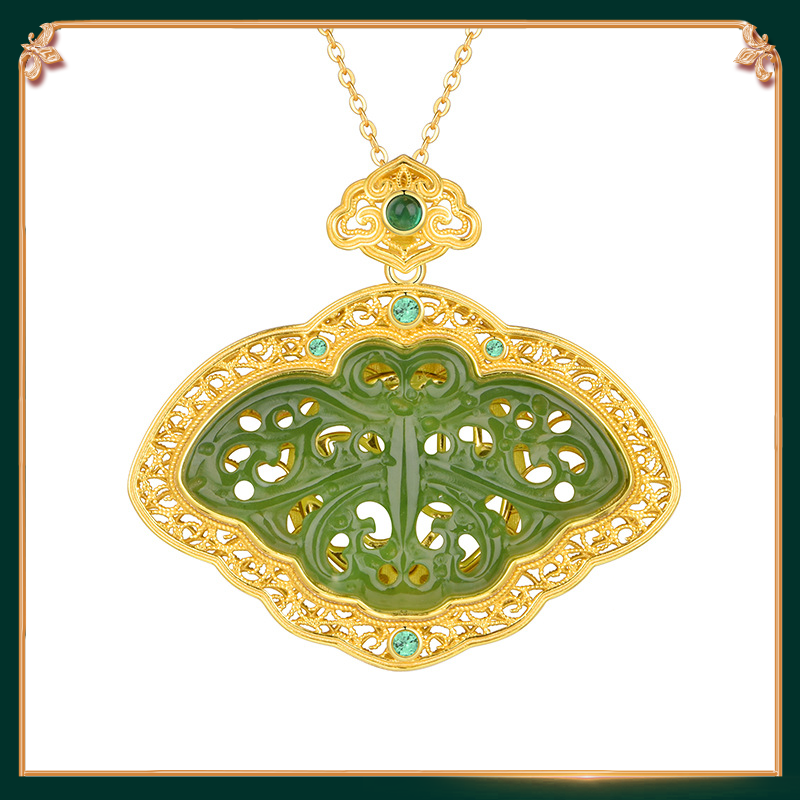
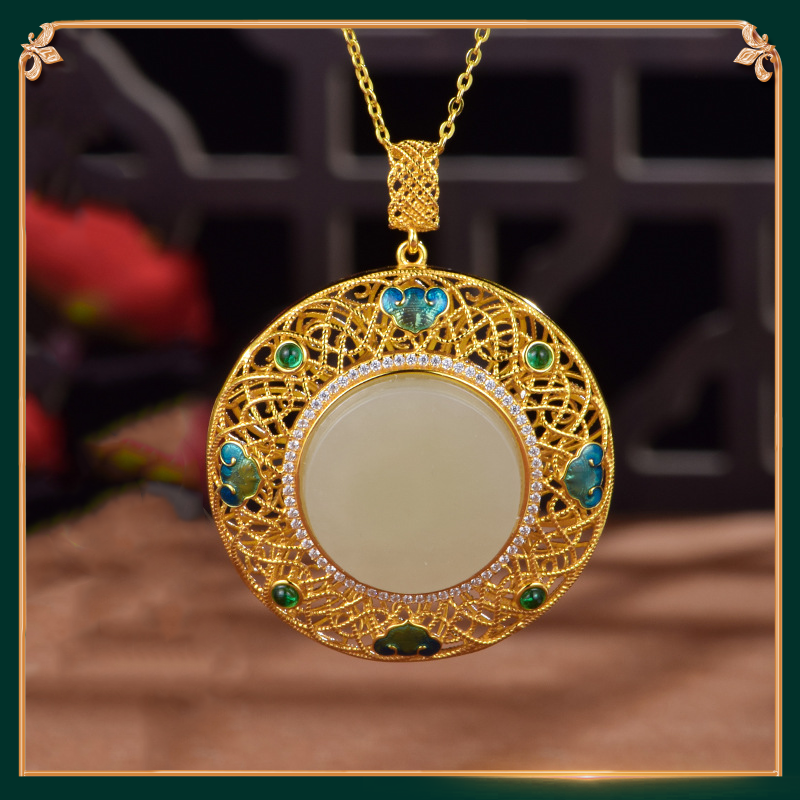
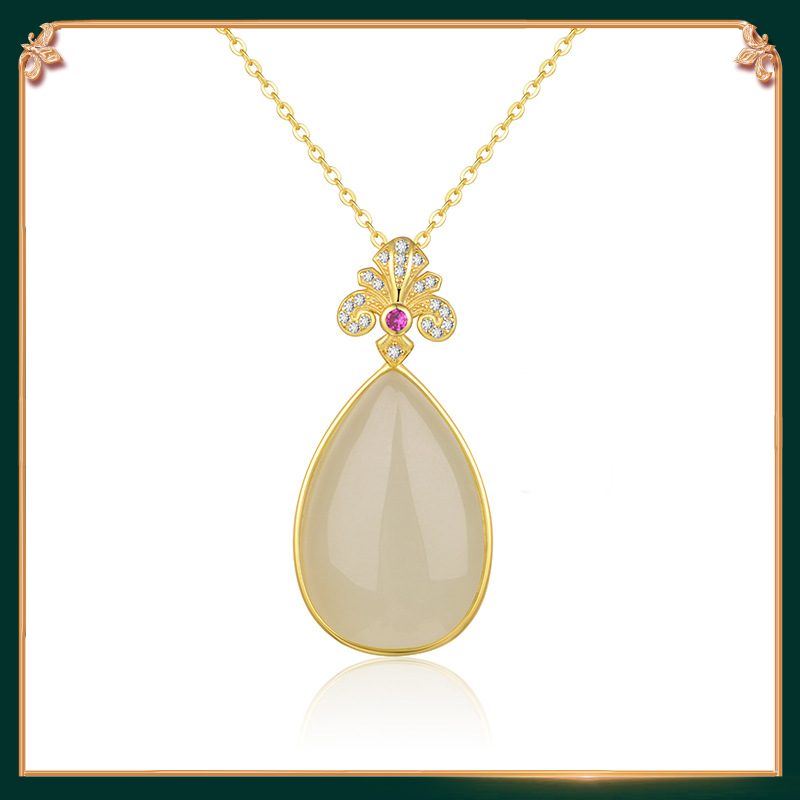
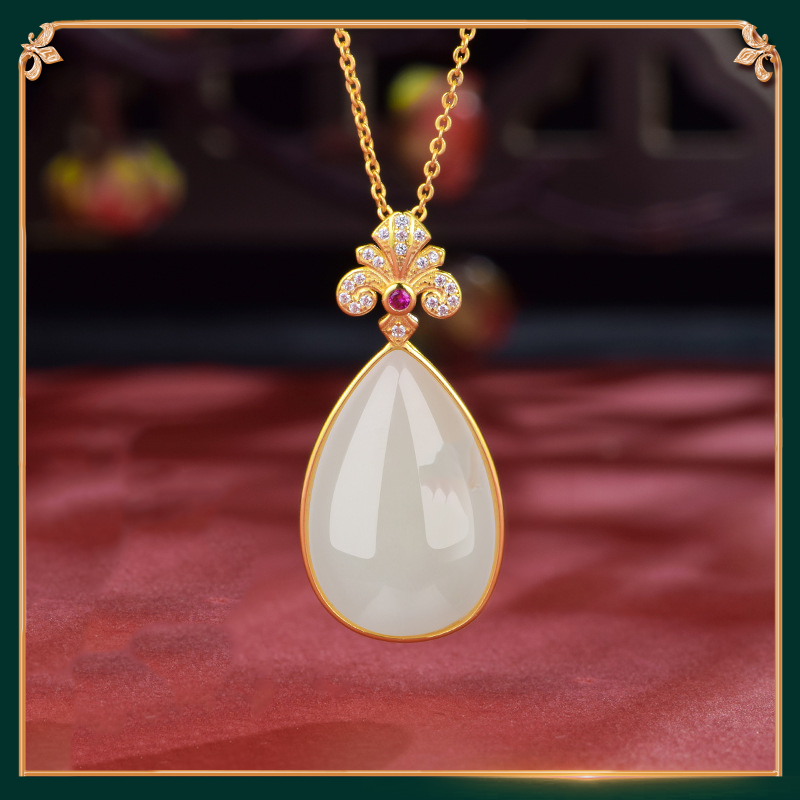
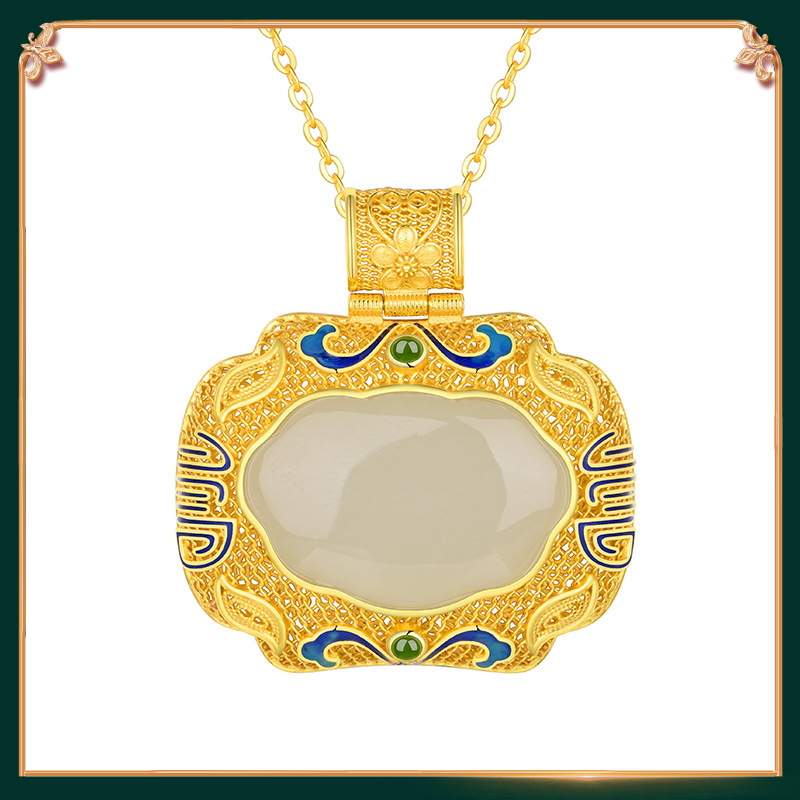
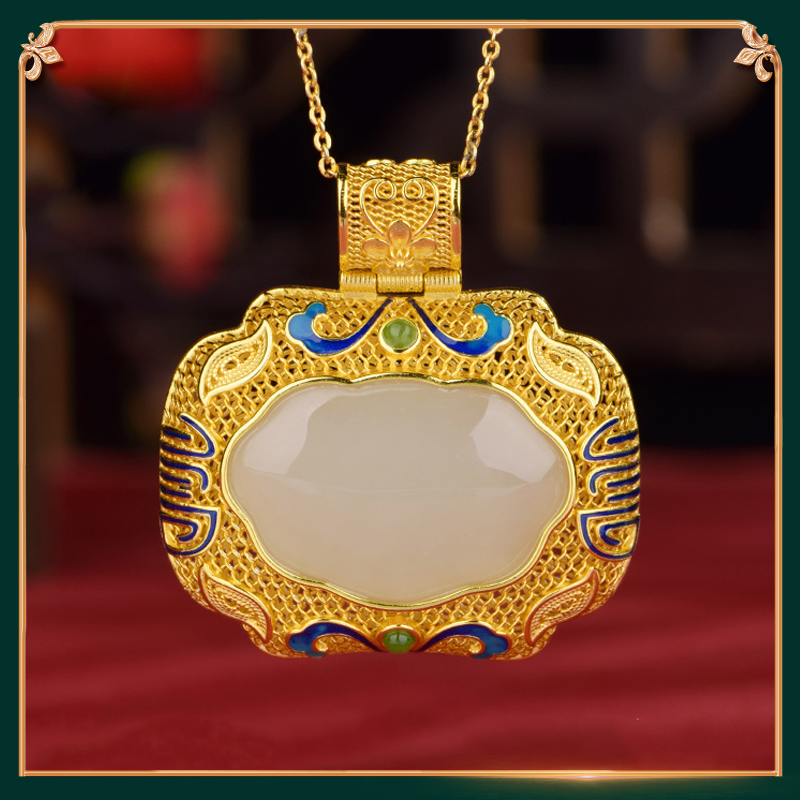
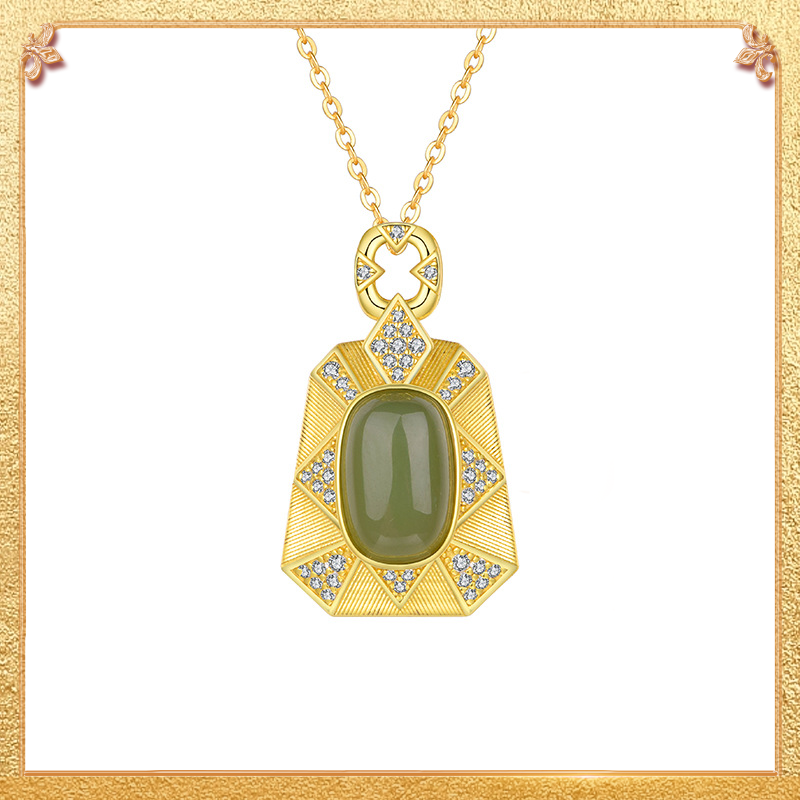
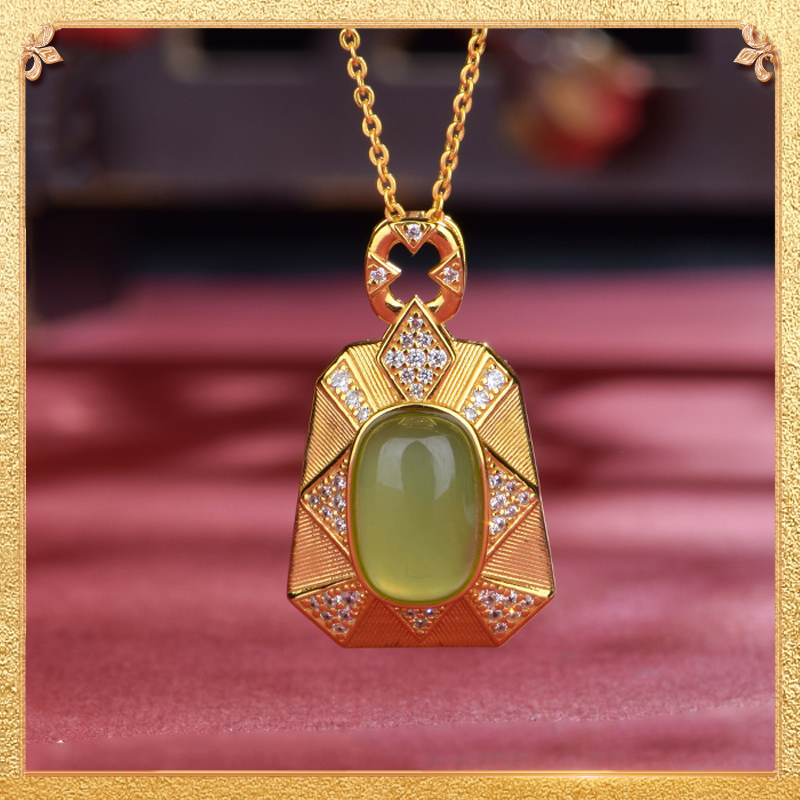
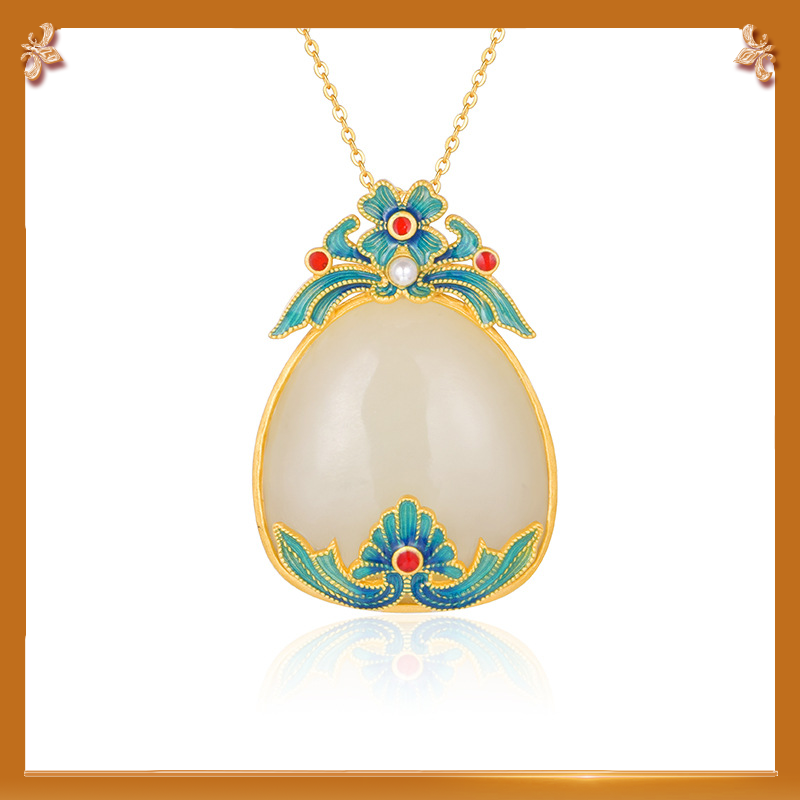
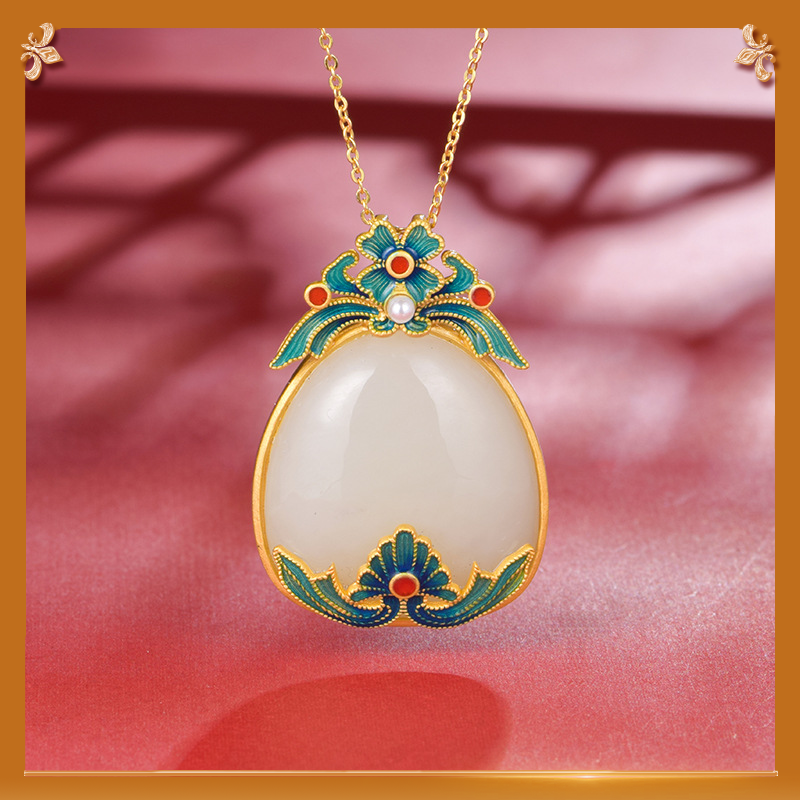
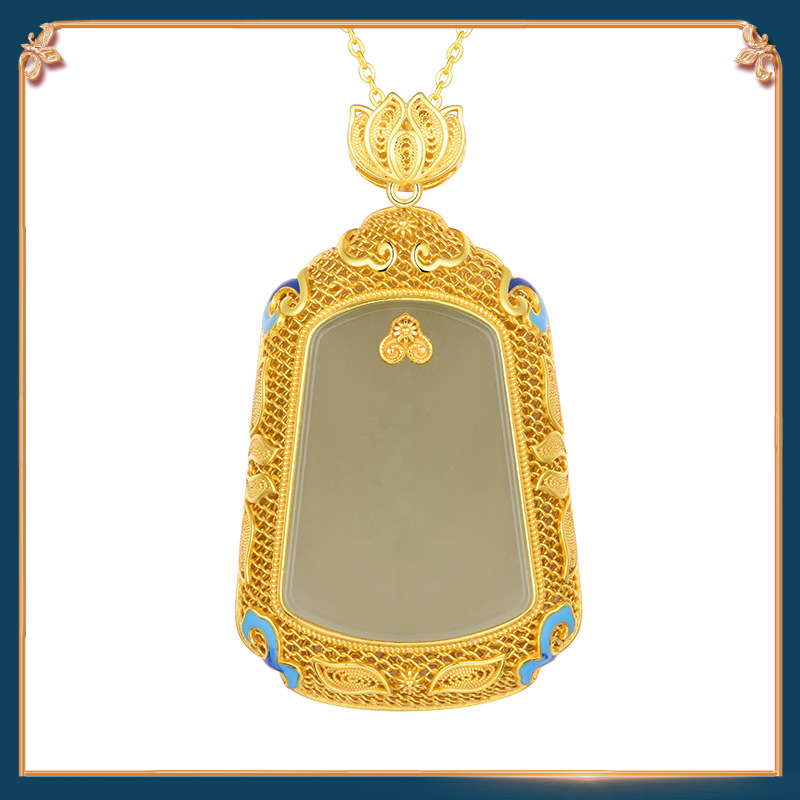
Discover our signature pendant collection at HetianYu Mart—where China’s millennia-old lapidary heritage meets modern minimalist aesthetics (Neo-Heritage). Crafted from certified Xinjiang Hetian Jade (Nephrite), sterling silver, and fine gold, each pendant represents a tactile fusion of ancient cultural symbols, traditional filigree techniques, and timeless Eastern quiet luxury.
Collection Quick-Matrix: Craftsmanship & Symbolic Meanings
| Motif / Symbol | Core Craftsmanship | Cultural Symbolism & Meaning | Ideal Wearing Occasion |
|
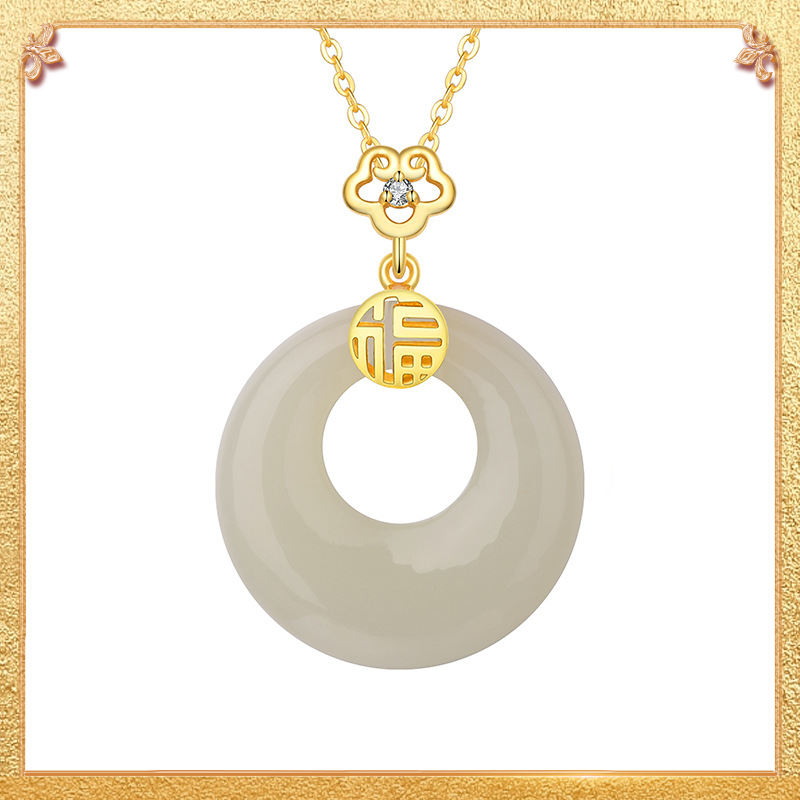
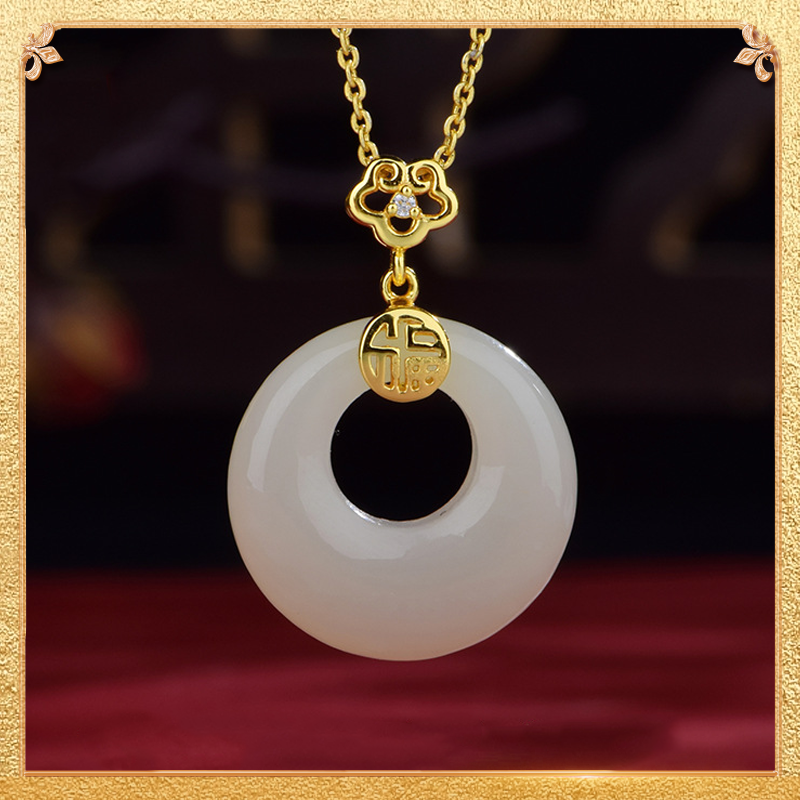
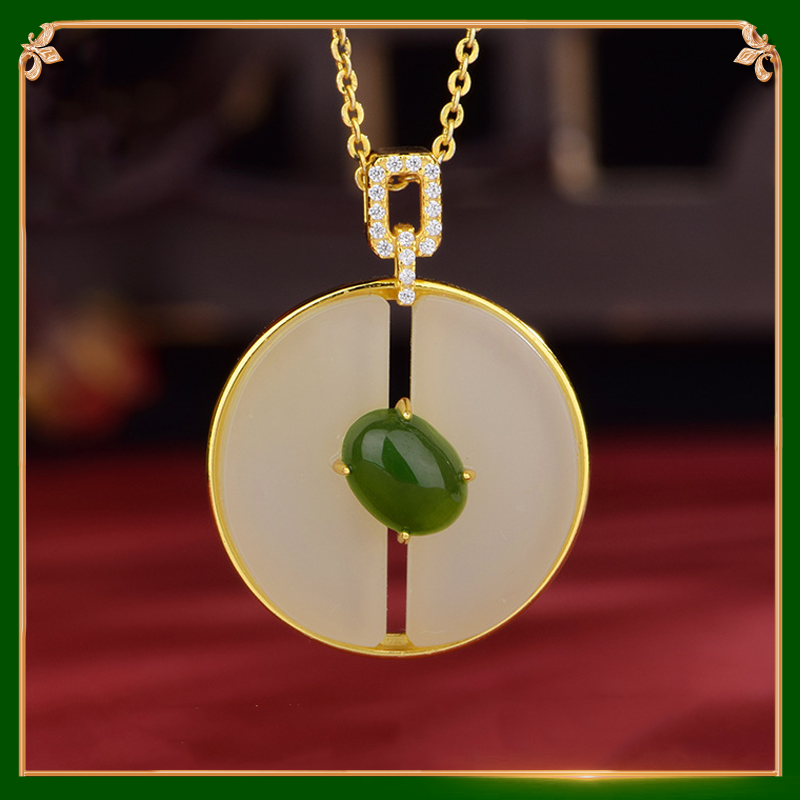
Ping’an Kou (平安扣) |
Smooth edge-rounding (Rong Guo) & high-density buffing | Inner peace, endless harmony, and protection | Daily wear, layering, minimalist capsule outfits |
|
Shanshui (山水 / Landscape) |
Low-relief line carving & natural texture alignment | Harmony between humans & nature (Taoist balance) | Executive suit accent, mindfulness/meditation wear |
|
Qiao Diao (留皮巧雕) |
Preserving raw river pebble skin (Hongpi / Huangpi) | Uniqueness, organic authenticity, and organic growth | High-intellect fashion, collector's daily piece |
|
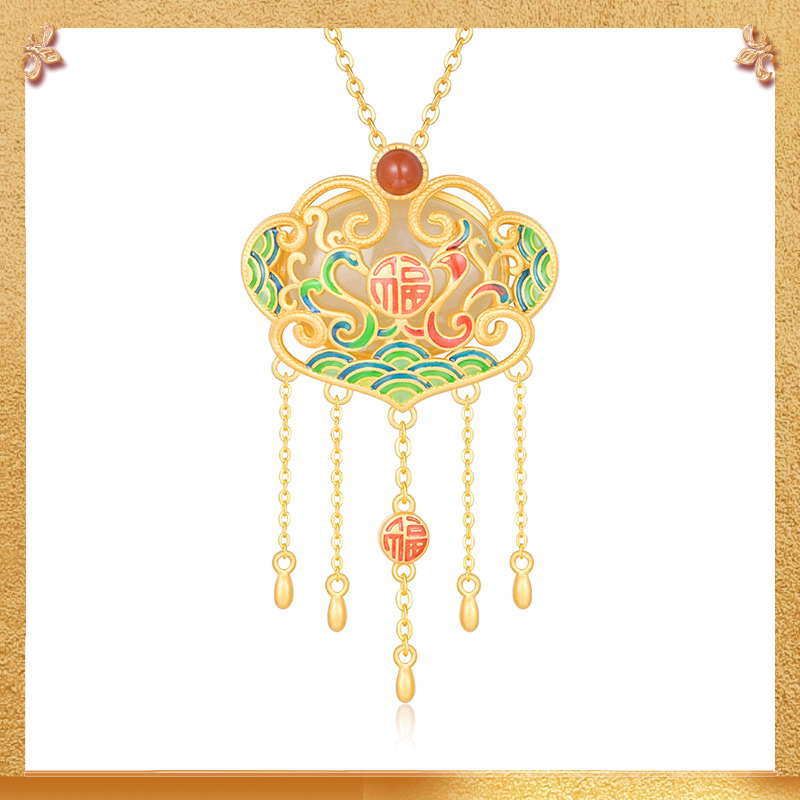
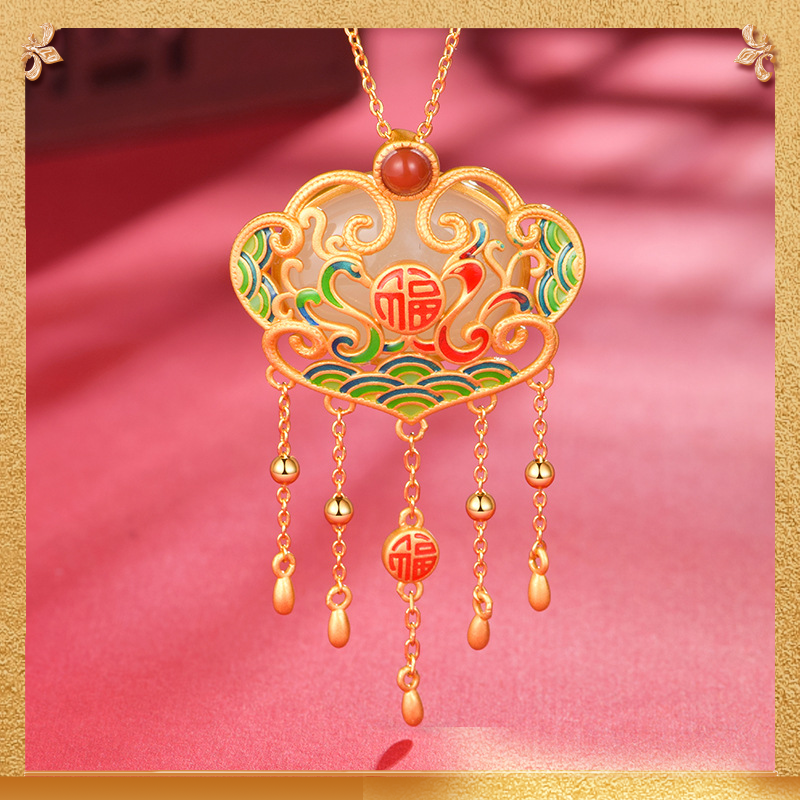
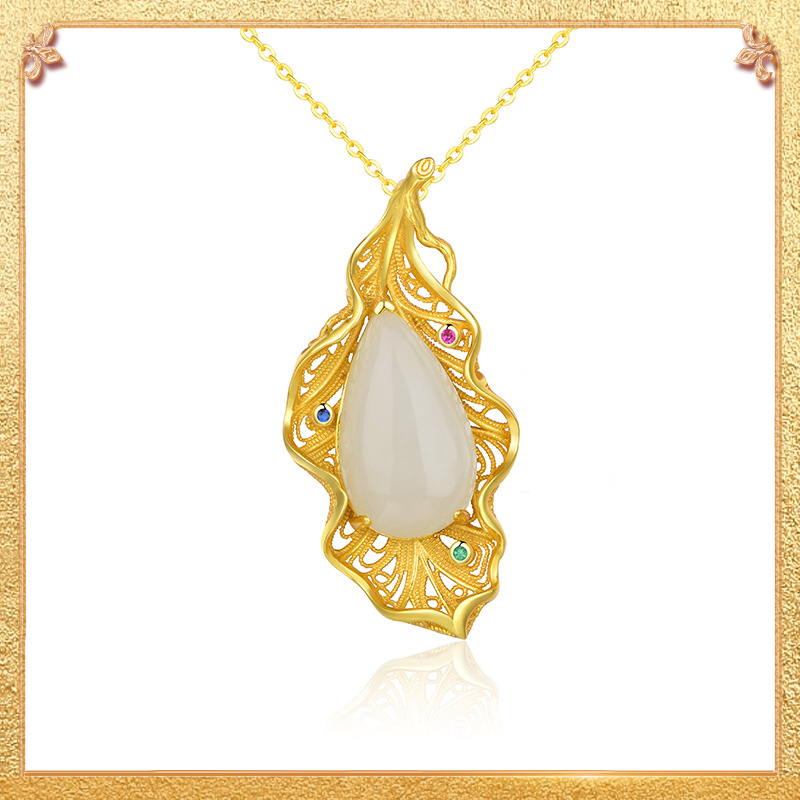
Filigree Peony (花丝牡丹) |
Fine gold/silver wire twisting (Huasi Xiangqian) | Prosperity, nobility, and timeless elegance | Formal gifts, weddings, festive heritage wear |
1. Why Our Pendants Honor Chinese Lapidary Tradition
A. Time-Honored Chinese Handicrafts
Every pendant is shaped by heritage techniques passed down for generations, showcasing the ingenuity of master artisans:
-
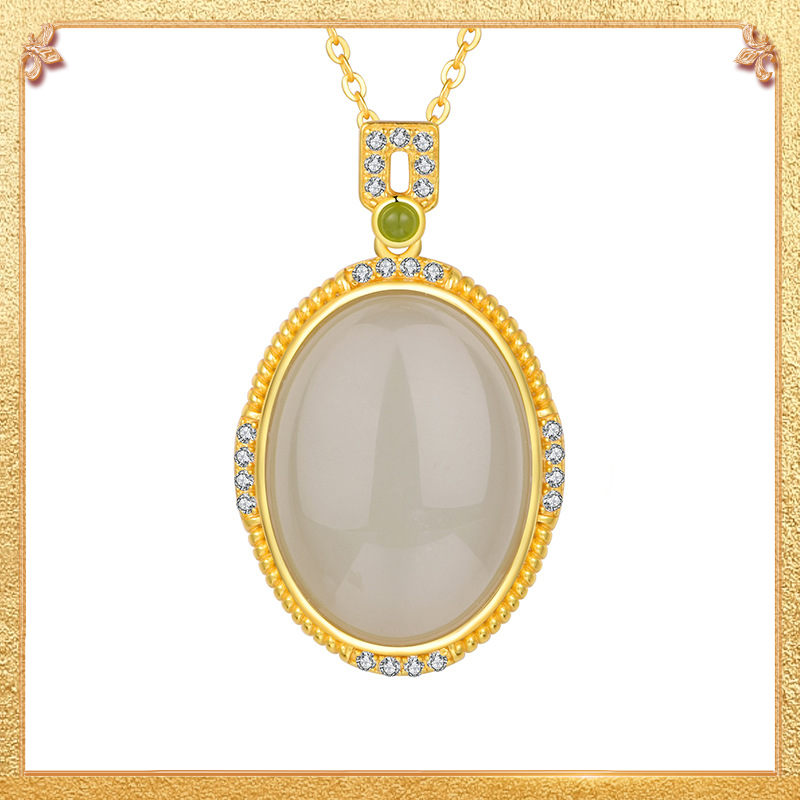
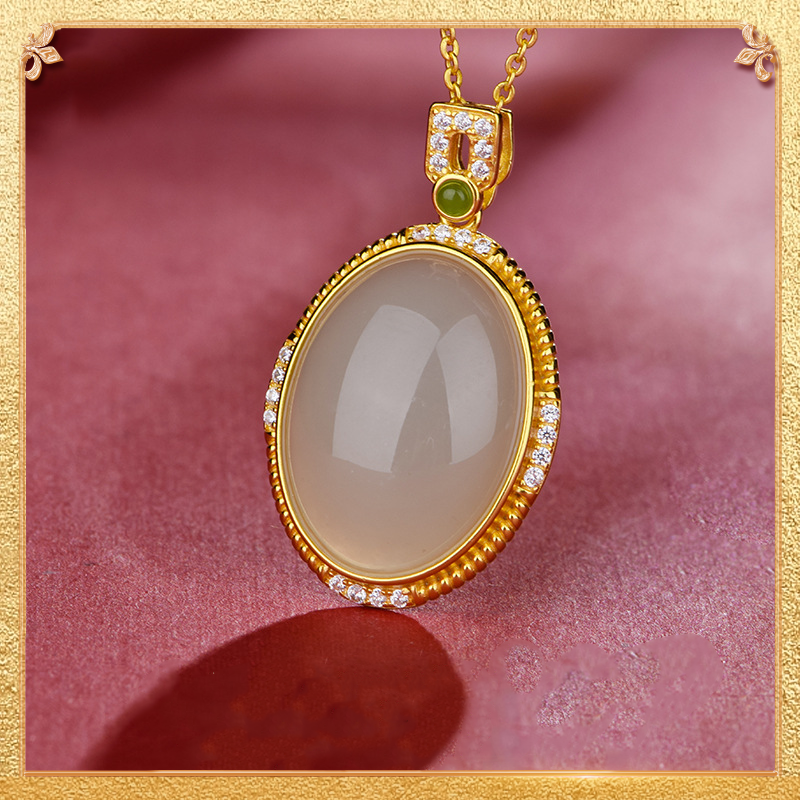
Hetian Jade Carving (Liupi Qiaodiao / 留皮巧雕): High-grade Hetian Jade pendants utilize traditional skin-preservation techniques. Master carvers retain the jade’s natural oxidized river skin (Hongpi/Huangpi) to highlight texture, while carving delicate motifs (e.g., lotus, auspicious clouds) with 0.1mm micro-precision.
-
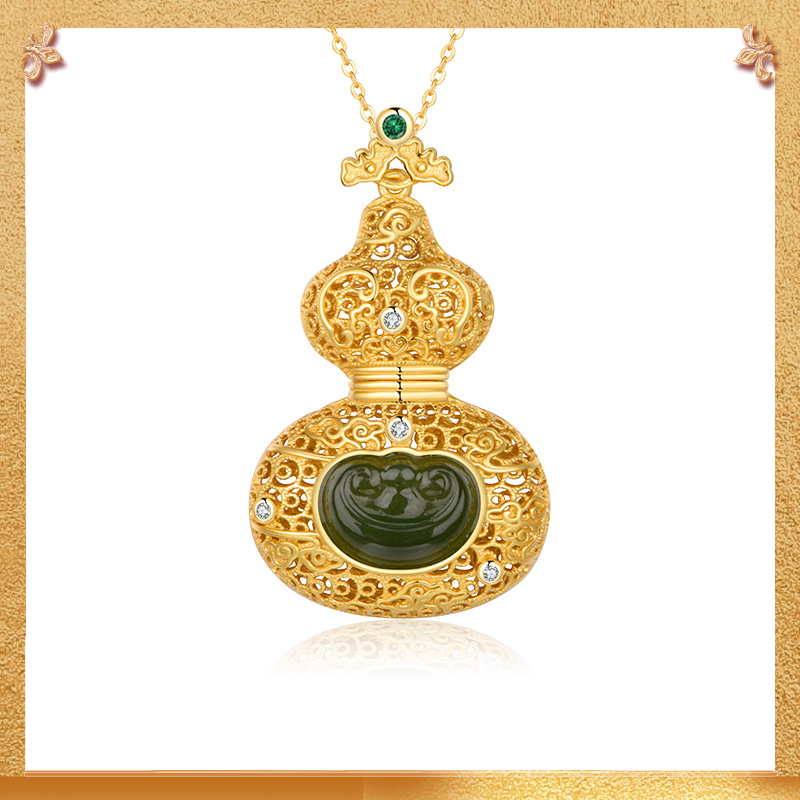
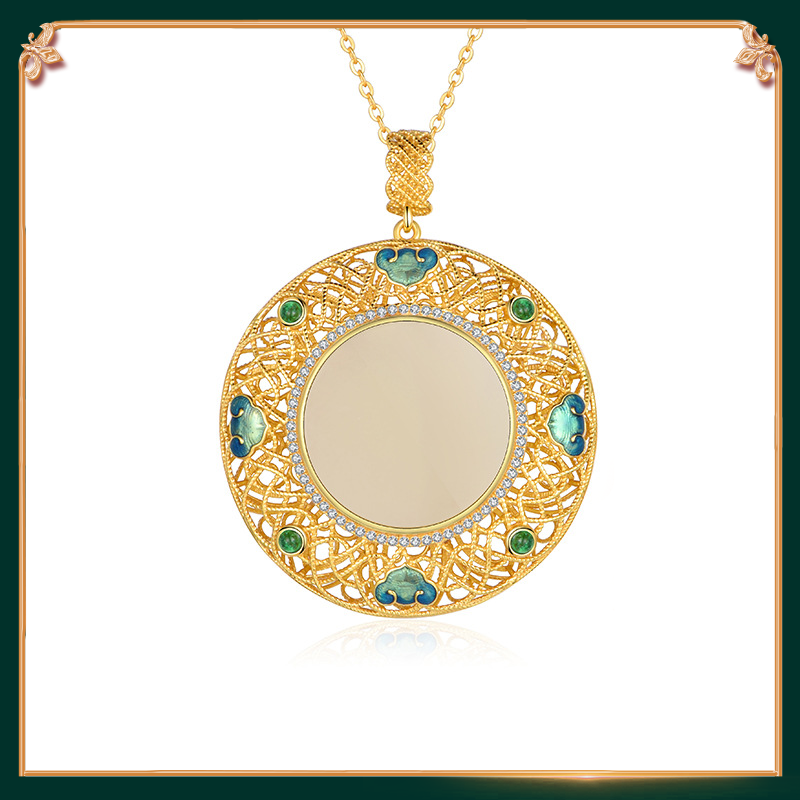
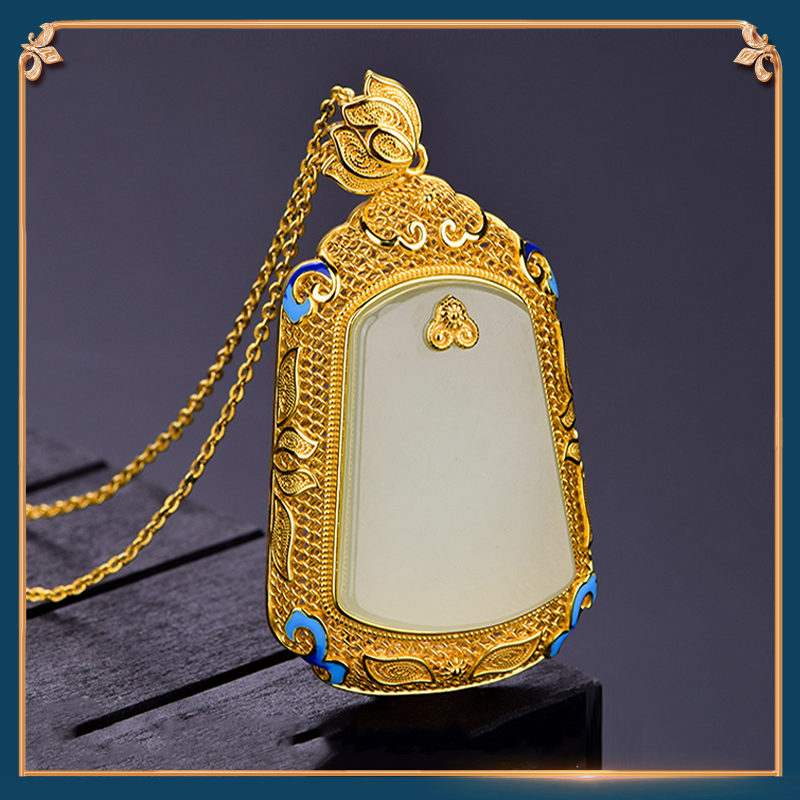
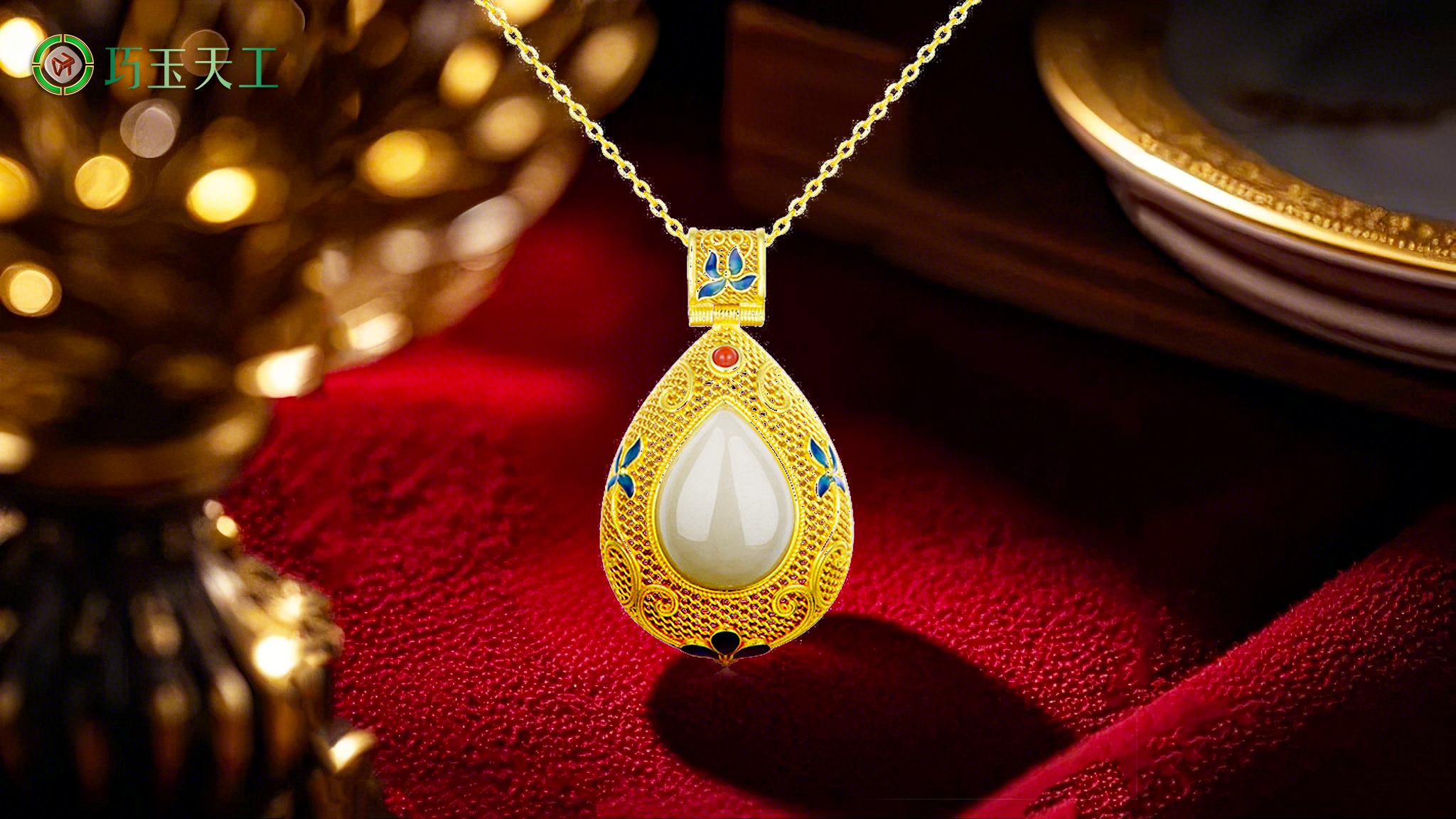
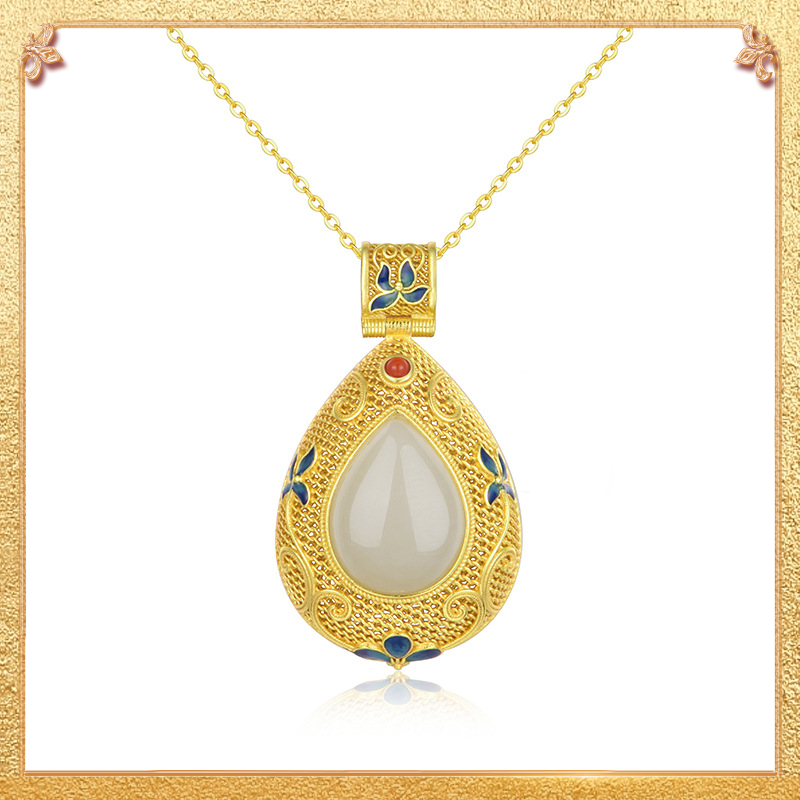
Filigree Inlay (Huasi Xiangqian / 花丝镶嵌): Designated as intangible cultural heritage, our silver or gold pendants feature hand-twisted fine metal wires crafted into delicate latticework, framing natural jade cabochons to embody classic motifs like "Longfeng Chengxiang" (Dragon-Phoenix Harmony).
B. Cultural Symbols with Deep Philosophy
Each pendant draws from classical Chinese philosophy and iconography, carrying centuries of auspicious blessings:
-
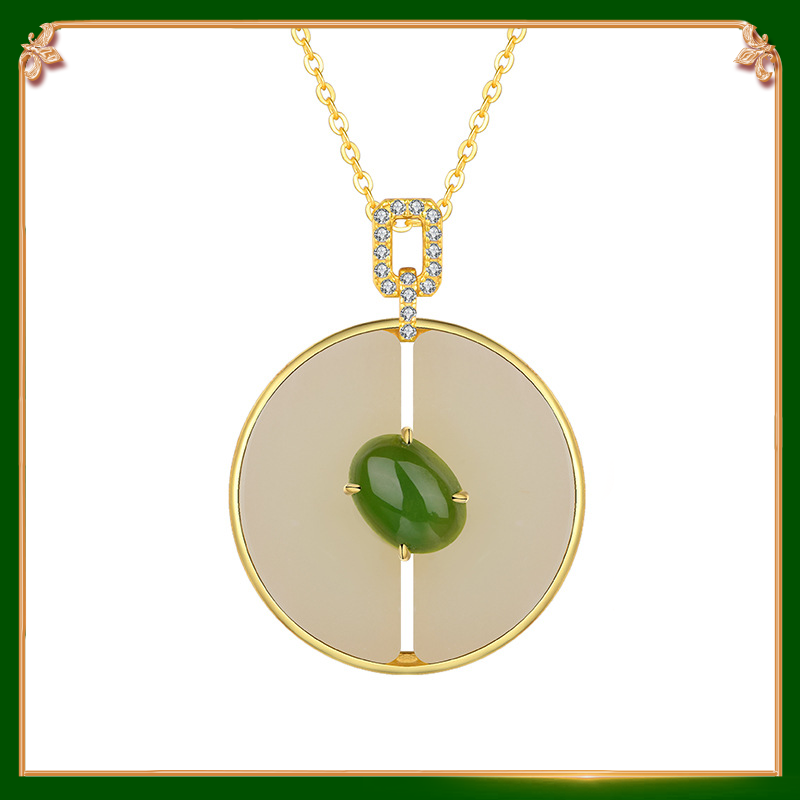
Ping’an Kou (平安扣 - Peace Disc): A sleek, circular jade pendant with a small center hole, symbolizing "peace without end"—a timeless staple in Chinese lapidary art since the Han Dynasty (206 BCE–220 CE).
-
Shanshui (山水 - Mountain & Water): Intricate miniature carvings of mountains and rivers representing balance, inner stability, and the Taoist vision of cosmic harmony.
-
Peony & Ruyi (牡丹与如意): Embossed on fine metal or jade, the peony represents prosperity and nobility, serving as a cherished luxury motif since the Tang Dynasty (618–907 CE).
2. Modern Neo-Heritage Styling & Daily Wearability
No longer restricted to formal costume wear, our pendants are structurally engineered for global, modern capsule wardrobes. Designed with smooth, ergonomic contours and tactile oily finishes (YangZhi luster), they serve as modern personal energy anchors and versatile accessories:
-
The High-Intellect Suit Accent: Pair a dark green Hetian jasper Shanshui plaque with an oversized deconstructed blazer.
-
Casual Minimalist Layering: Wear a smooth suet white Ping’an Kou disc over a neutral crewneck sweater or raw linen shirt.
-
Convertible Versatility: Selected pendants feature dual-function loops, seamlessly transitioning from a daily chain pendant to an executive suit brooch.
Frequently Asked Questions (FAQ)
Q1: Is the Hetian jade used in these pendants natural and certified?
A: Yes. Every Hetian jade pendant in our collection is crafted from 100% natural, un-dyed nephrite jade (certified tremolite composition) sourced from Xinjiang, exhibiting genuine oily luster and organic texture.
Q2: What is the meaning behind gifting a Ping’an Kou pendant?
A: Gifting a Ping’an Kou (Peace Disc) conveys wishes for safety, emotional balance, and smooth life transitions. Its smooth, outer-and-inner circle design represents completion (Yuan Man) and continuous well-being.
Q3: How should I clean and care for my Hetian jade pendant daily?
A: Wear it regularly! Natural oils from your skin enrich the jade’s warm, greasy sheen over time (a process known as Pan Yu). To clean, wipe gently with a soft cloth and mild warm water, avoiding harsh chemical cleaners.
-
-
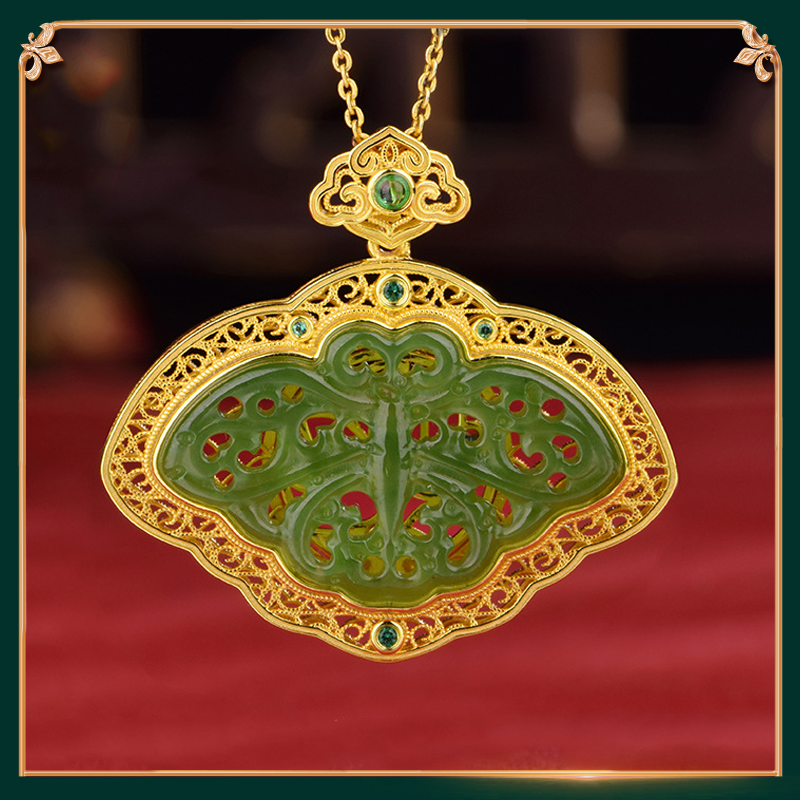
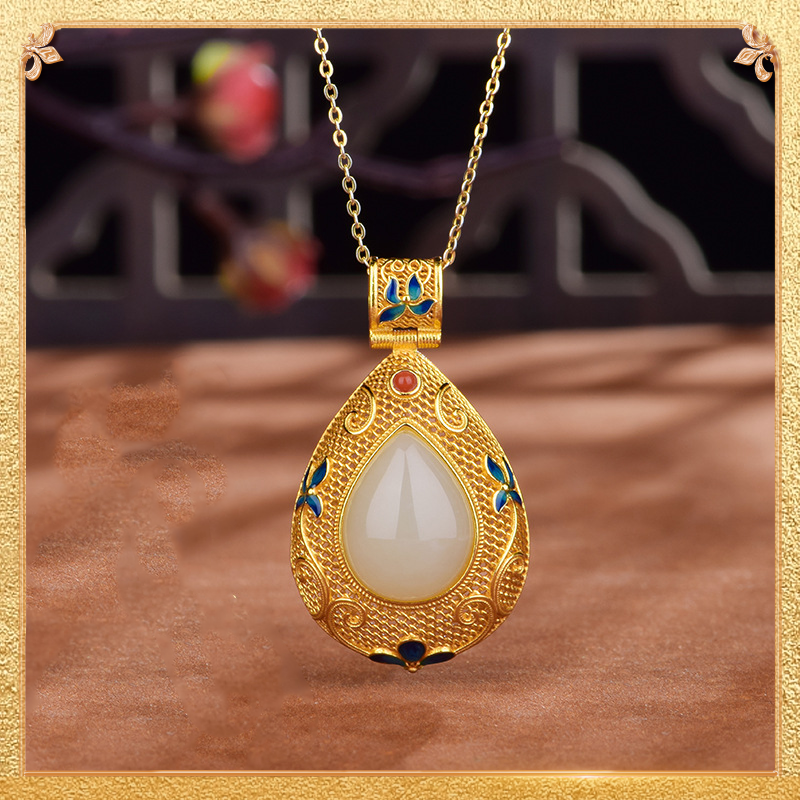
Butterflies In Love With Flowers Pendant
 On sale
Butterflies In Love With Flowers Pendant
$72.99 USD $91.99 USD -
-
-
-
-
-
-
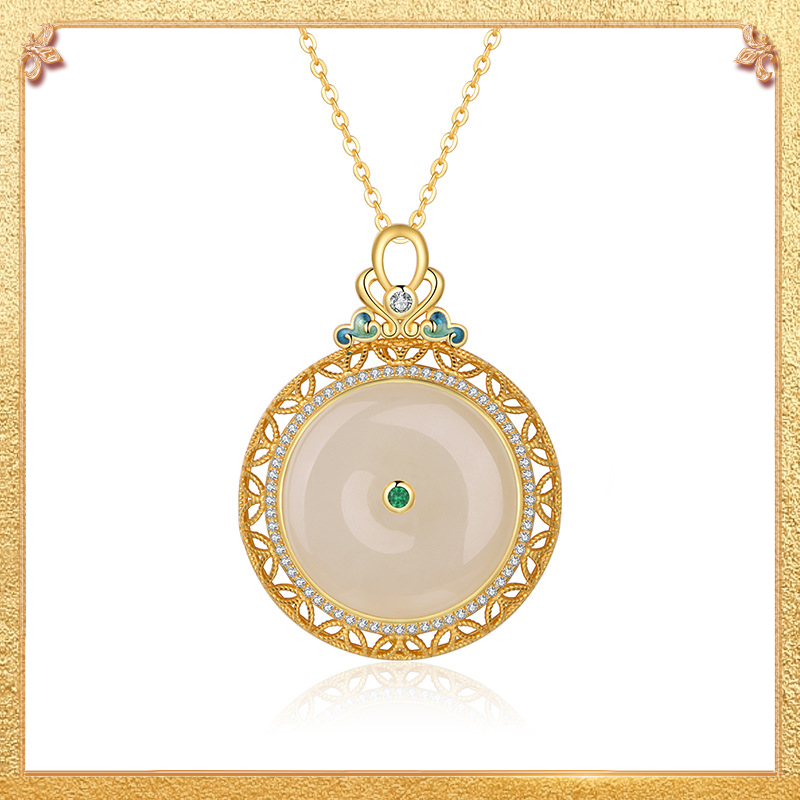
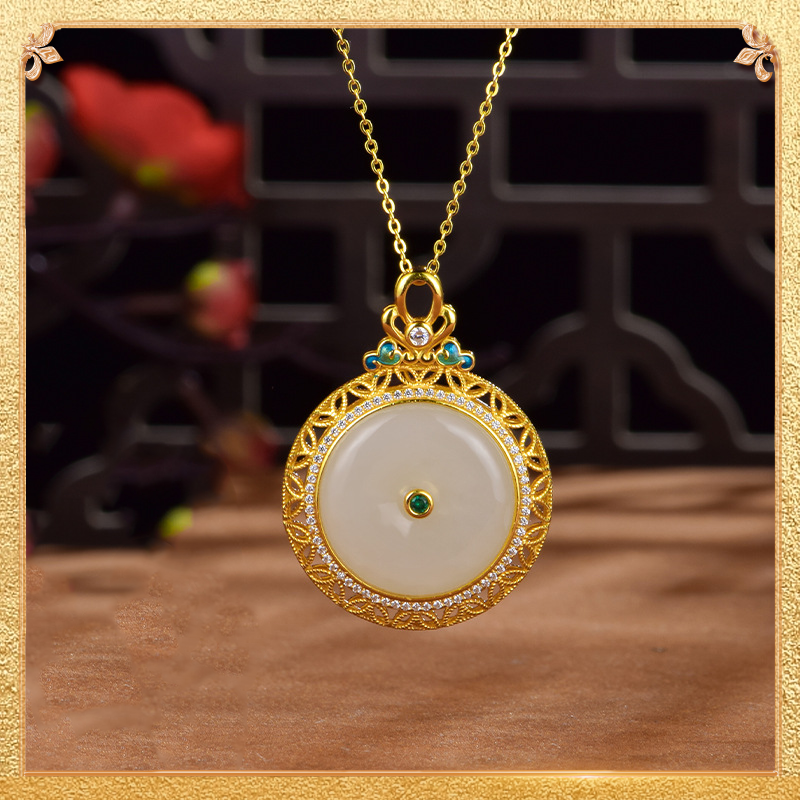
Chang'E Flying To The Moon Pendant
 On sale
Chang'E Flying To The Moon Pendant
$133.99 USD $167.99 USD -
-
-
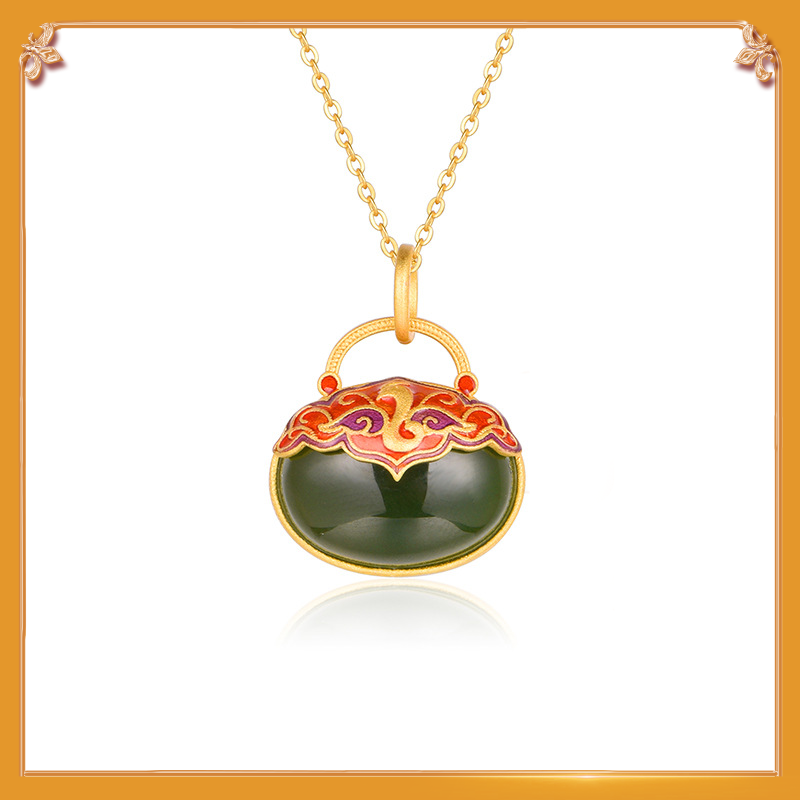
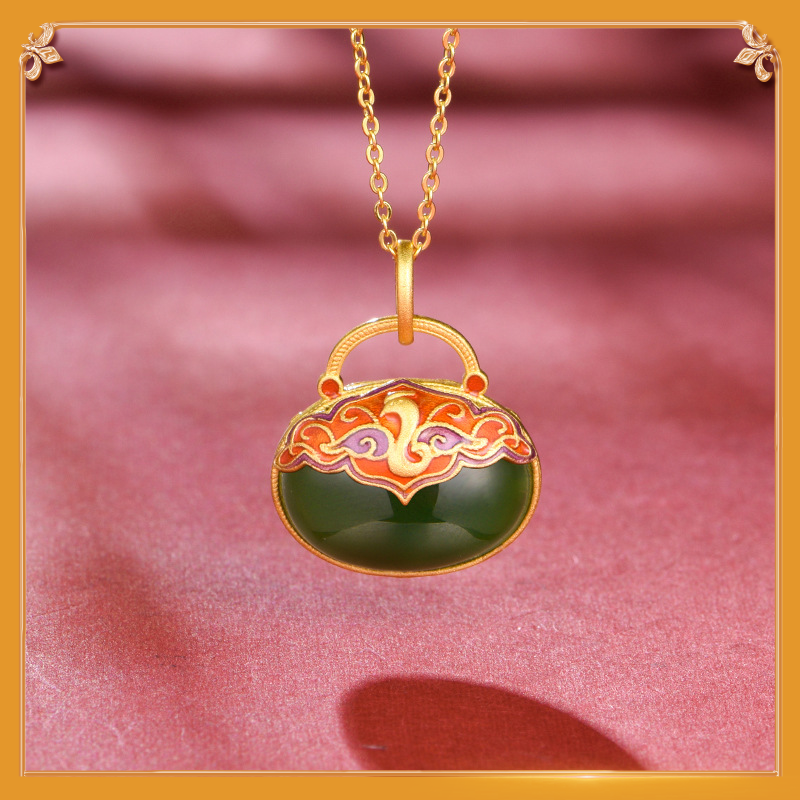
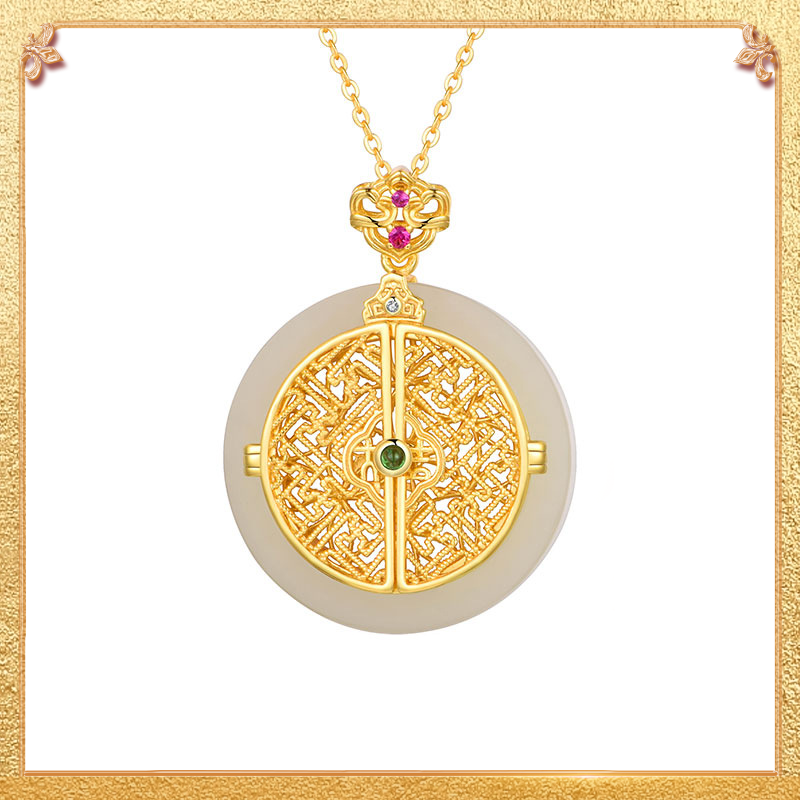
Good Luck At The Start Sachet Pendant
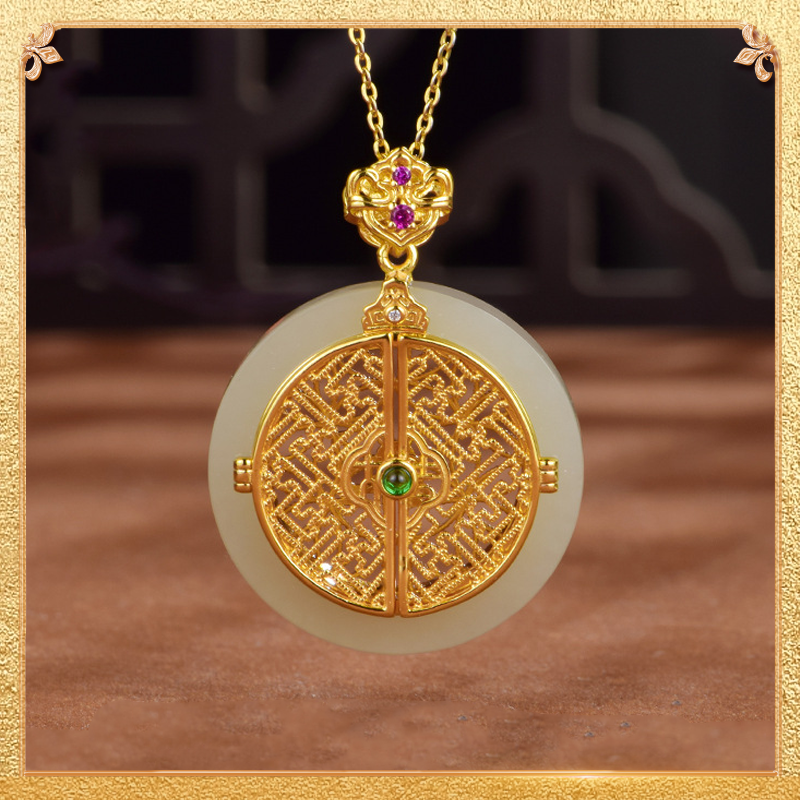 On sale
Good Luck At The Start Sachet Pendant
$145.99 USD $185.99 USD -
-
-
Handcrafted Hetian Jade “Swan” Pendant (18K Gold Finish)
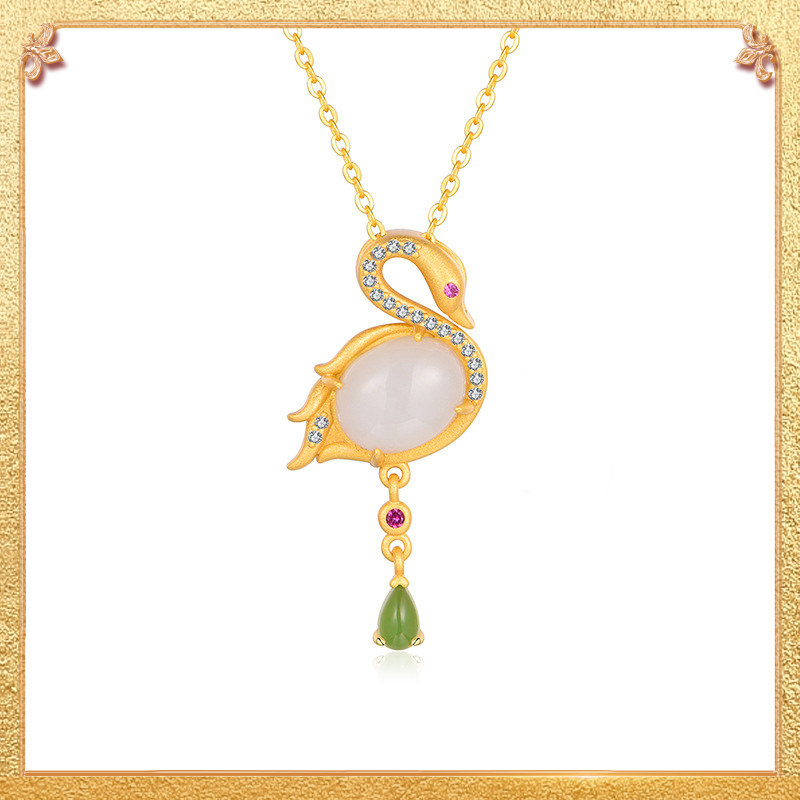
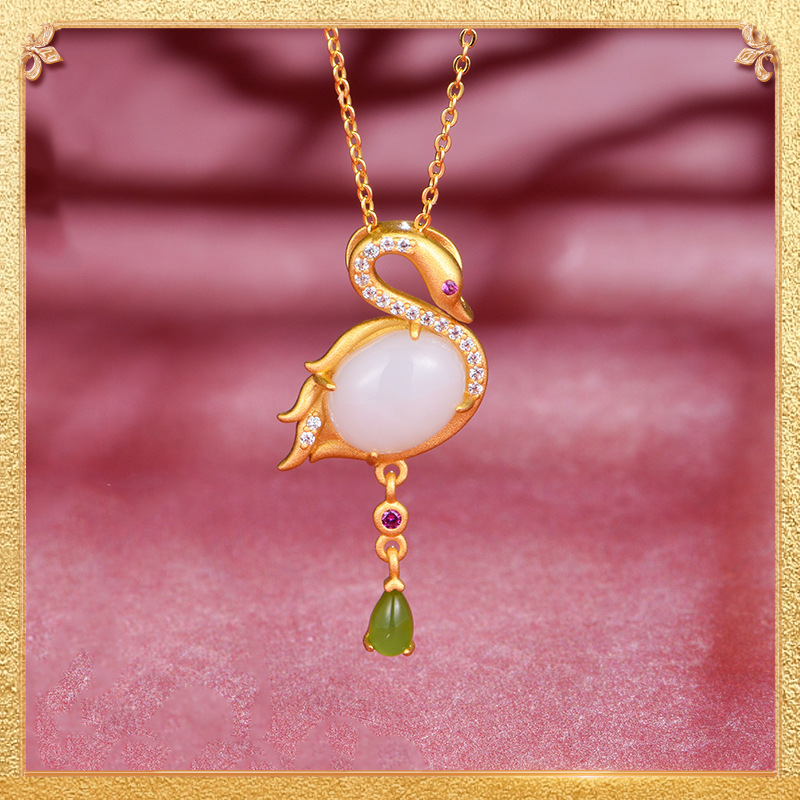 On sale
Handcrafted Hetian Jade “Swan” Pendant (18K Gold Finish)
$29.99 USD $37.99 USD -
-
-
-
-
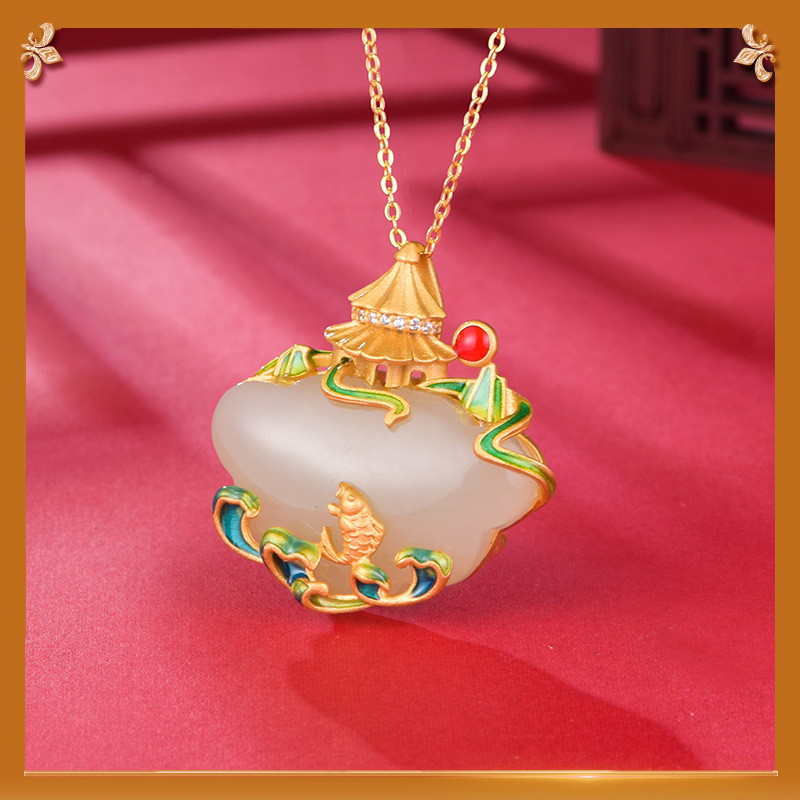
Handcrafted Hetian Jade “Fish Leaping Over the Dragon Gate” Pendant (18K Gold Finish)
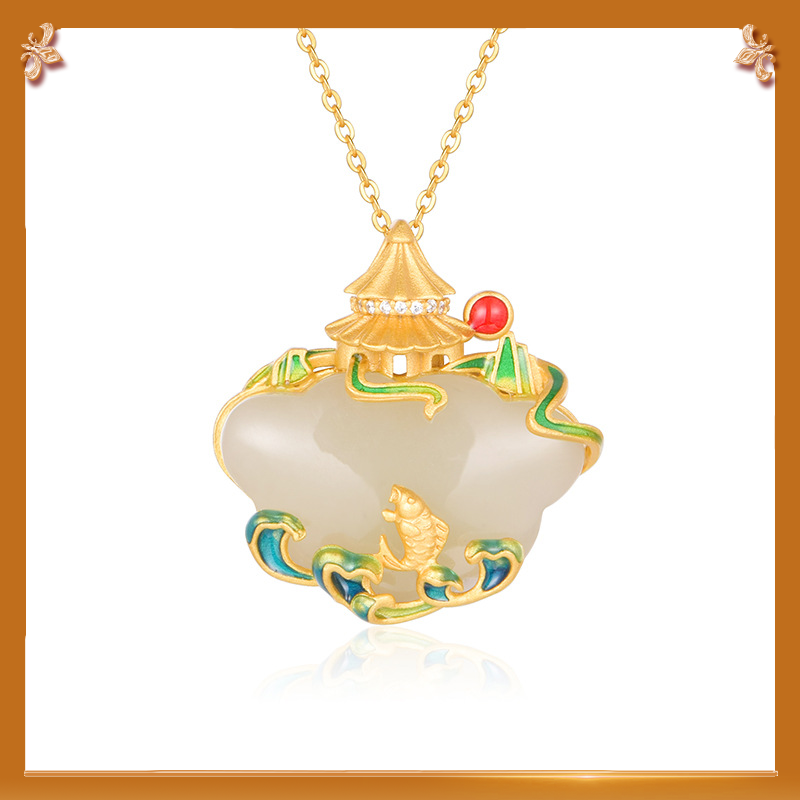
 On sale
Handcrafted Hetian Jade “Fish Leaping Over the Dragon Gate” Pendant (18K Gold Finish)
$74.99 USD $93.99 USD -
-
-
-