1.Cultural Origins: From Imperial Rituals to Folk Practices
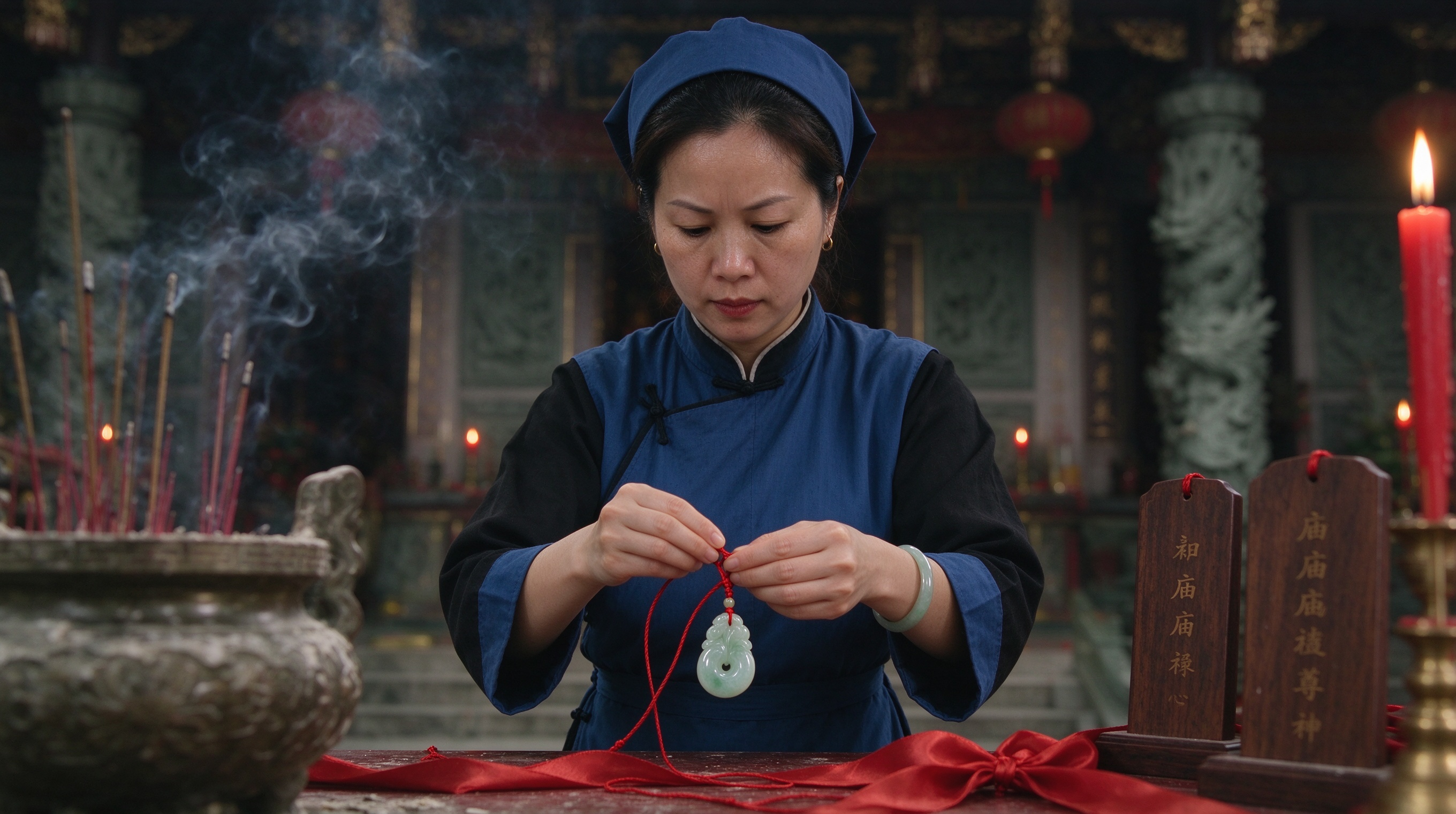
The tradition of using jade as sacrificial offerings dates back to the Neolithic Age when Chinese civilization first emerged. Jade cong from Liangzhu Culture and jade dragon from Hongshan Culture already functioned as primitive vessels for communicating with deities. In the Zhou Dynasty, the ritual system formally established the rule of “six jade vessels for worshipping heaven, earth and four directions”, making jade the highest-grade ritual implement in state sacrifices.
With the spread of ritual culture to lower social strata, jade’s sacrificial function gradually penetrated from imperial courts to folk society. After the Qin and Han dynasties, simple jade offerings appeared in folk rituals for earth, mountain and river gods. “Ritual jade”, once exclusive to the royal family, evolved into “offering jade” for ordinary people to pray for blessings. In agricultural civilization, jade was believed to embody the essence of heaven and earth, serving as the only medium to convey human prayers to deities and ancestors — the core belief underlying folk jade offering culture.
2.Temple Fair Presentations: Jade Blessings in Daily Life
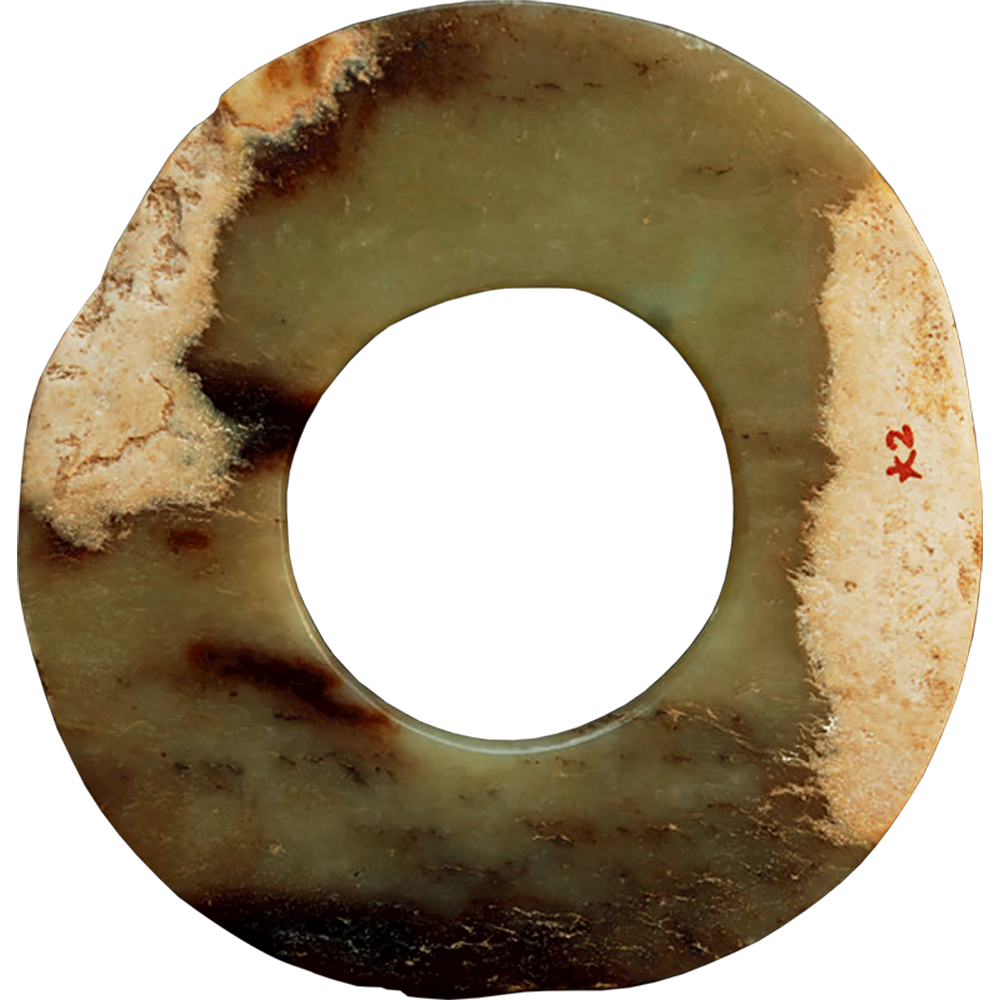
Temple fairs are the most vivid carriers of folk beliefs and the most concentrated venues for jade offering culture. From Guan Yu and Mazu temple fairs in the north to City God and mountain god temple fairs in the south, jade offerings are always present on altars. Believers enshrine their treasured jade pendants, bracelets and ruyi scepters to pray for family peace and good fortune.
In temple fair rituals, jade offerings serve dual functions of “inviting blessings” and “bestowing blessings”. During consecration ceremonies, Taoist priests or temple keepers chant scriptures to bless the jade, which is then believed to possess divine power. Believers may leave the jade in the temple permanently, or take it home as a personal amulet. Many fairs also have the custom of “touching jade for blessings”: people touch jade pixiu or Buddha statues, believing touching the head brings career luck, the body brings wealth, and the tail brings offspring — reflecting ordinary people’s simplest life aspirations.
Besides spontaneous offerings, jade shops in temple fairs are also vital to the culture. Jade mascots, zodiac plaques and peace buckles are displayed prominently. Visitors purchase jade pieces as both souvenirs and blessing tokens. This integration of belief, commerce and social interaction has allowed jade offering culture to pass down through generations in everyday life.
3.Ritual Norms: Forms and Symbolism of Jade Offerings
In different folk sacrificial scenarios, jade offerings have distinct forms and functions, supported by a complete belief system.
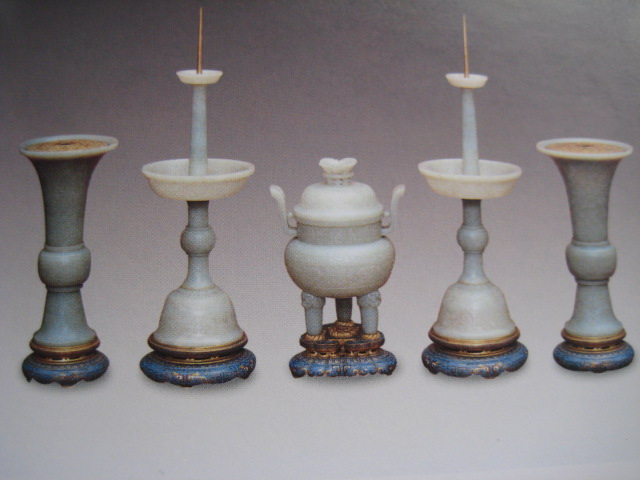
In public heaven and earth worship, people follow ancient traditions, using jade bi (disc) and cong (tube) as core offerings. The round bi symbolizes heaven, while the square-within-round cong symbolizes earth. People believe these vessels bridge the mortal world and the universe, praying for favorable weather and harvests. In clan ancestral hall sacrifices, jade gui (tablet), memorial tablets and cups are commonly used. Jade gui represents ancestors’ authority and virtue, while tablets are seen as dwelling places for ancestral souls. By offering jade, clans express filial piety and pray for family prosperity.
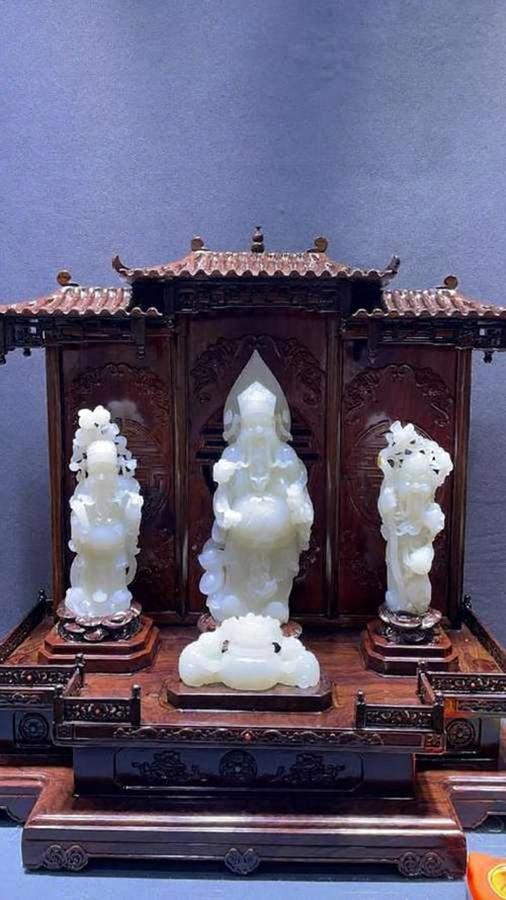
For deity-specific rituals, jade forms align with secular demands. Jade pixiu and golden toads are offered to the God of Wealth for fortune; jade kylin to the Goddess of Fertility for offspring; jade gourds to the God of Medicine for health. Different jade colors carry separate meanings: white jade for peace, green jade for career stability, jasper for family harmony.
Folk belief also holds that jade can “bear misfortunes for people”. When families face hardship or illness, a piece of jade is offered to deities, hoping it will absorb disasters. This belief further consolidates jade’s irreplaceable role in sacrificial offerings.
4.Modern Renewal: Inheritance of Jade Offering Culture Today
After thousands of years of evolution, jade offering culture has not faded with modernization — instead, it has gained new vitality in contemporary society.
Today, the custom of jade offering blessings remains well-preserved in temple fairs nationwide. During fair seasons, numerous believers bring jade to enshrine, and “consecrated jade ornaments” remain one of the most popular cultural products. Meanwhile, jade forms keep evolving: besides traditional ritual vessels, modern designs like zodiac guardian statues, fortune beads and peace buckles have become mainstream, reflecting young people’s aspirations for career, love and health.
With the rise of intangible heritage protection and folk tourism, jade offering culture has stepped into the public eye. Many places present jade offering rituals as folk performances, showcasing traditional procedures and jade carving skills to visitors. Intangible heritage inheritors also draw aesthetic elements from jade offering culture, creating creative products that blend belief connotations with modern aesthetics. This “living inheritance” turns ancient customs into cultural resources integrated into contemporary life.
From ancient heavenly ritual vessels to everyday blessing tokens, jade offering culture has always been rooted in the Chinese spiritual world. Taking jade as a carrier, it integrates the tradition of revering heaven and ancestors, the desire for good fortune, and the pursuit of a better life, becoming the most gentle and profound part of Chinese folk beliefs. Today, when people present jade at temple fairs, they carry forward not only a millennium-old custom, but also the cultural gene engraved in the nation’s blood.