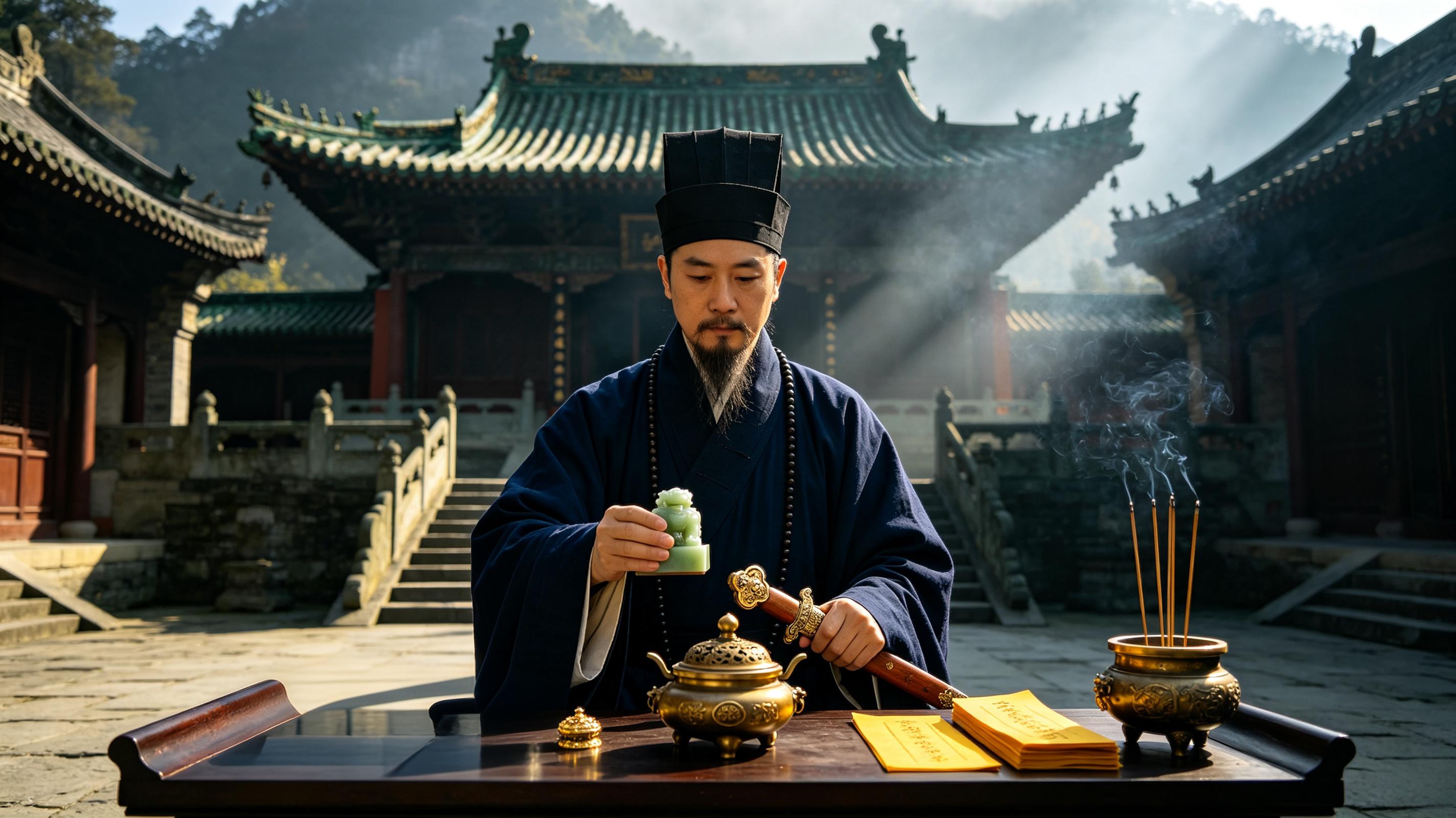
In the development of Taoism, China’s indigenous religion, jade has always held a unique sacred status. It is more than a precious gem for appreciation; it is a core medium for communicating with deities, supporting spiritual practice, and embodying longevity. From jade palaces in celestial paradises to jade ritual tools used by Taoist priests, and to jade amulets worn by ordinary people, jade imagery is deeply embedded in Taoist beliefs and practices, serving as an indispensable key to understanding the spirit of Chinese Taoist culture.
1.Jade as a Spiritual Medium: Core Ritual Instruments of Taoist Immortals
Taoism holds that jade is the "essence of heaven and earth", inherently endowed with divinity to communicate with the sacred, making it the most important carrier of ritual instruments for immortals and ceremonies.
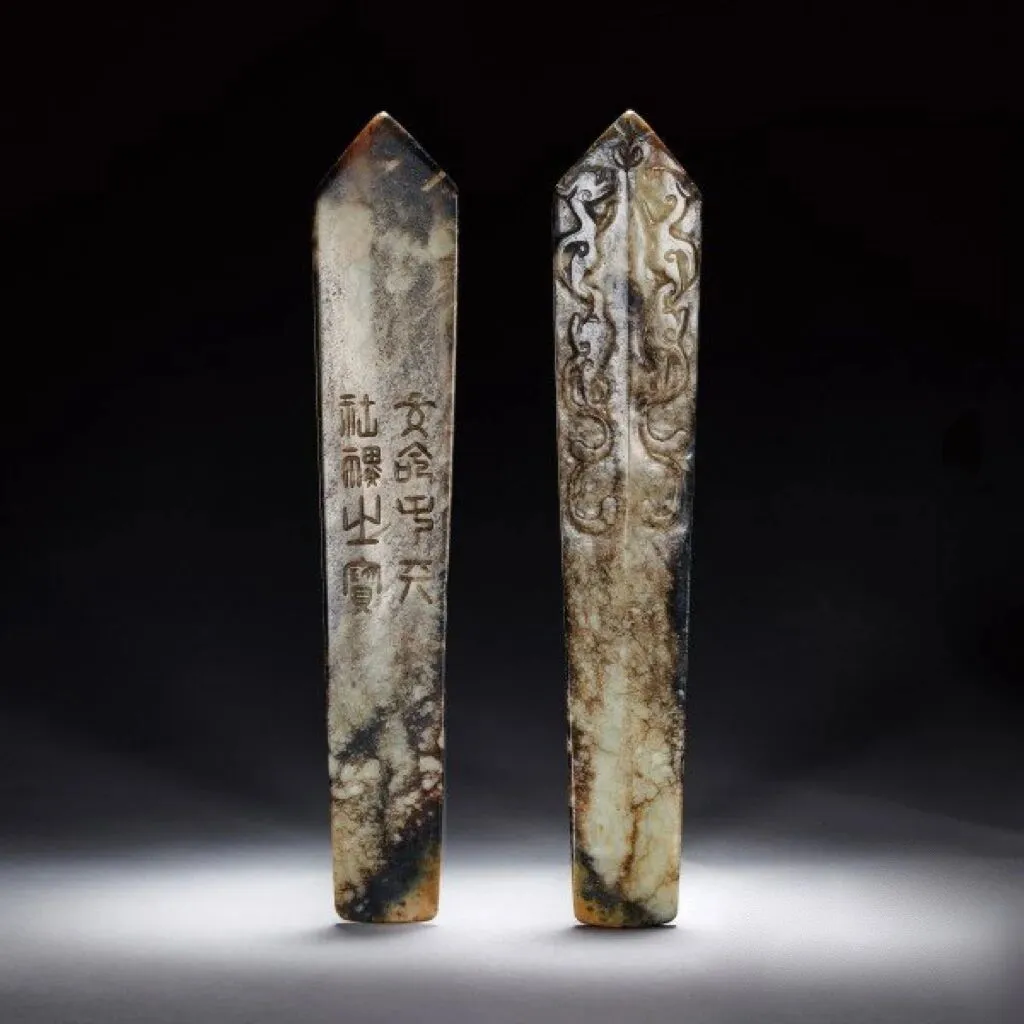
- Ritual Implements for Connecting Heaven and Earth: In orthodox Taoist fasting and offering rituals, jade tablets (gui), jade discs (bi), and jade seals are indispensable core vessels. Priests hold jade tablets to pay homage to deities, use jade seals to command spirits, and employ jade discs to worship heaven, earth and landscapes, invoking celestial immortals with jade’s pure essence. The early Taoist classic Taiping Jing records that "jade is an essence object that can communicate with spirits", establishing its sacred role as a ritual medium.
- Standard of Immortals, Symbol of Status: In the Taoist pantheon, jade is the iconic material of the celestial realm and a marker of immortal status. The Jade Emperor resides in the Golden Palace of Jade Capital; the Queen Mother of the West’s Jasper Pool is paved with jade; immortals hold jade ruyi scepters and dusters, and travel in jade chariots. Even Laozi, the founder of Taoism, is legendarily described with "teeth like ordered shells, tongue like red jade", deeply binding jade imagery to the divine traits of immortals.
2.Jade Embodies Longevity: The Material Carrier of Taoist Immortality Belief
Longevity and eternal life are the core pursuits of Taoism, and jade is the most concrete material expression of this ultimate belief. From external ingestion and physical preservation to internal cultivation, jade’s longevity imagery runs through all levels of Taoist practice.
- Ingesting Jade for Immortality-The External Alchemy Tradition: During the Wei and Jin dynasties, Taoist external alchemy flourished, and ingesting jade became a key method of cultivating immortality. Ge Hong listed jade as a "top-grade immortal medicine" in Baopuzi: Immortal Medicines, arguing that "those who ingest gold live as long as gold; those who ingest jade live as long as jade". Long-term consumption of jade powder and jade juice was believed to lighten the body, extend lifespan, and ultimately lead to ascension to immortality. This concept fueled the ancient custom of jade ingestion and established jade as a symbol of immortal medicine.
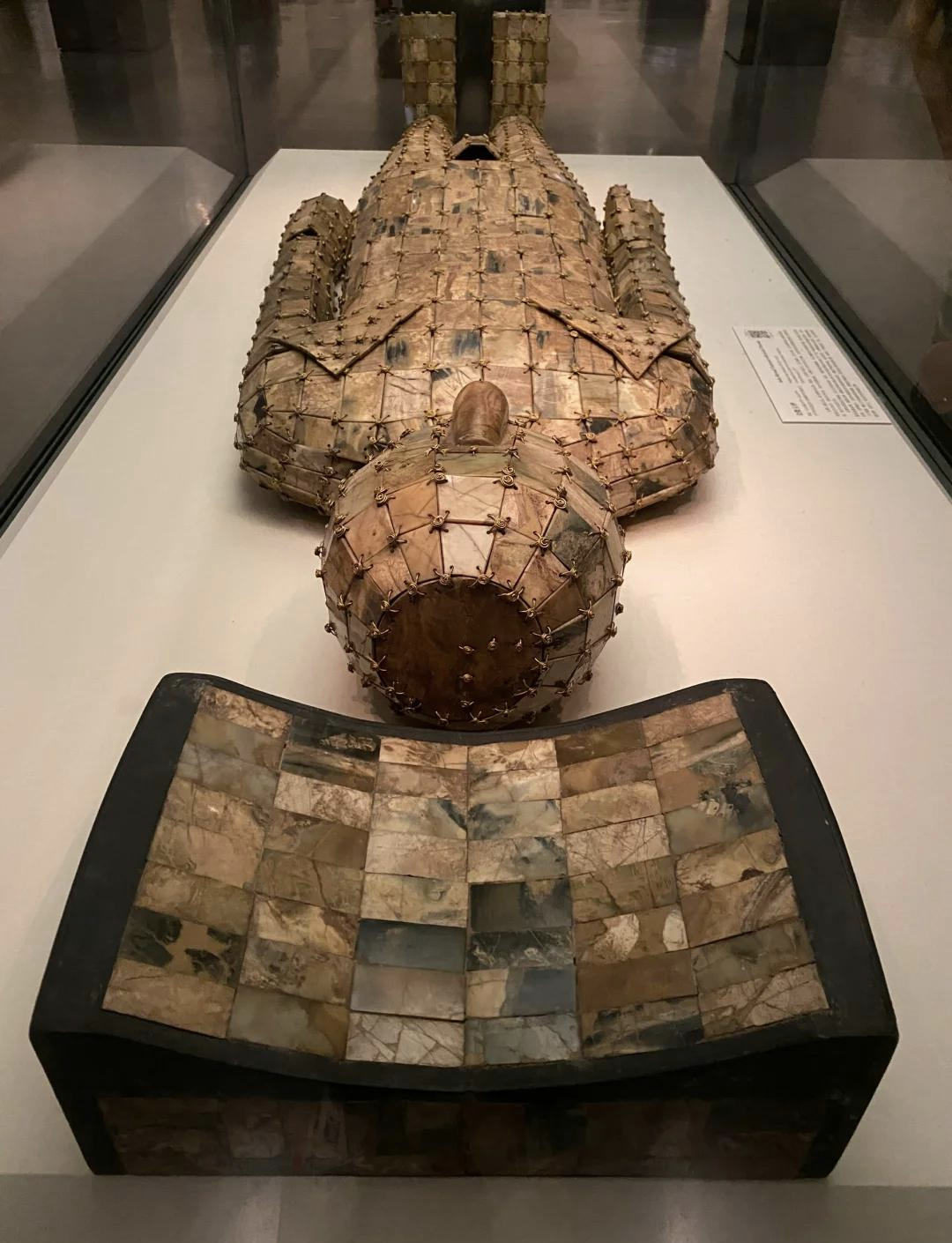
- Jade Preserving the Body- Corpse Liberation: Taoism holds that jade can prevent bodily decay, preserving the physical form for immortality through corpse liberation. From Han Dynasty gold-thread jade burial suits and nine-orifice jade plugs, to later jade mouthpieces and handpieces, all are products of this belief. The ancients believed that sealing the nine orifices and wrapping the body with jade could lock in one’s essence, qi and soul, keeping the body intact for millennia to await transformation and ascension, integrating material jade with the spiritual pursuit of longevity.
3.Jade Enters the Mortal World: Secular Inheritance of Taoist Jade Culture
Taoist jade culture is not confined to temples and immortal legends; it has gradually permeated all aspects of secular life, evolving into daily auspicious beliefs and aesthetic preferences among the people.
- Protective Amulets and Auspicious Wear: Influenced by the Taoist belief that "jade wards off evil and attracts fortune", there has long been a folk tradition that "a gentleman never removes his jade without reason". People wear jade pendants, bracelets and locks, believing jade can fend off misfortune and bless safety, acting as a portable Taoist amulet. Children wear jade locks to grow up healthily; the elderly wear jade bracelets for longevity, placing Taoist wishes for longevity and peace on small jade stones.
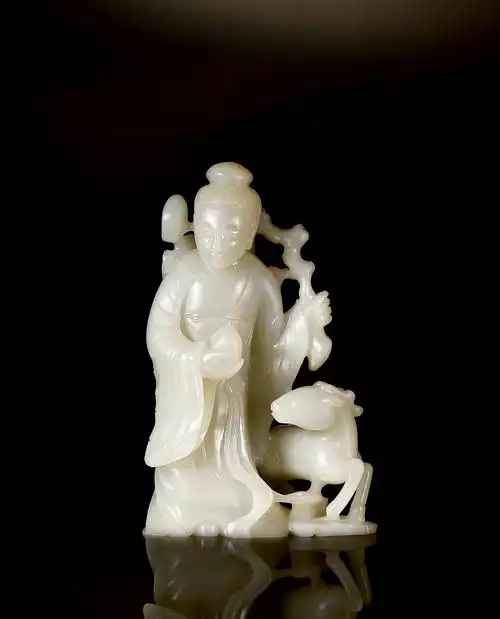
- Folk Artifacts and Longevity Imagery: In traditional folk customs and arts and crafts, the longevity theme of Taoist jade culture is ubiquitous. Jade carvings often feature Taoist immortal themes such as Magu Presenting Longevity, Eight Immortals Celebrating Birthday and Pine and Crane for Longevity. Jade ornaments in home decor and jade patterns on porcelain also carry wishes for longevity. Even shop names often include the character "yu" (jade), borrowing Taoist auspicious meanings to pray for prosperous and enduring business.
For thousands of years, jade has evolved in Taoist culture from a natural beautiful stone to an immortal ritual instrument, and from a longevity carrier to a secular auspicious symbol. It is both a material testimony to Taoist immortal beliefs and a spiritual projection of Chinese people’s aspirations for longevity, dignity and a better life. To this day, the traditions of collecting and wearing jade endure, and the Taoist cultural core carried by jade has long been integrated into the Chinese cultural gene, radiating a gentle and lasting vitality through time.