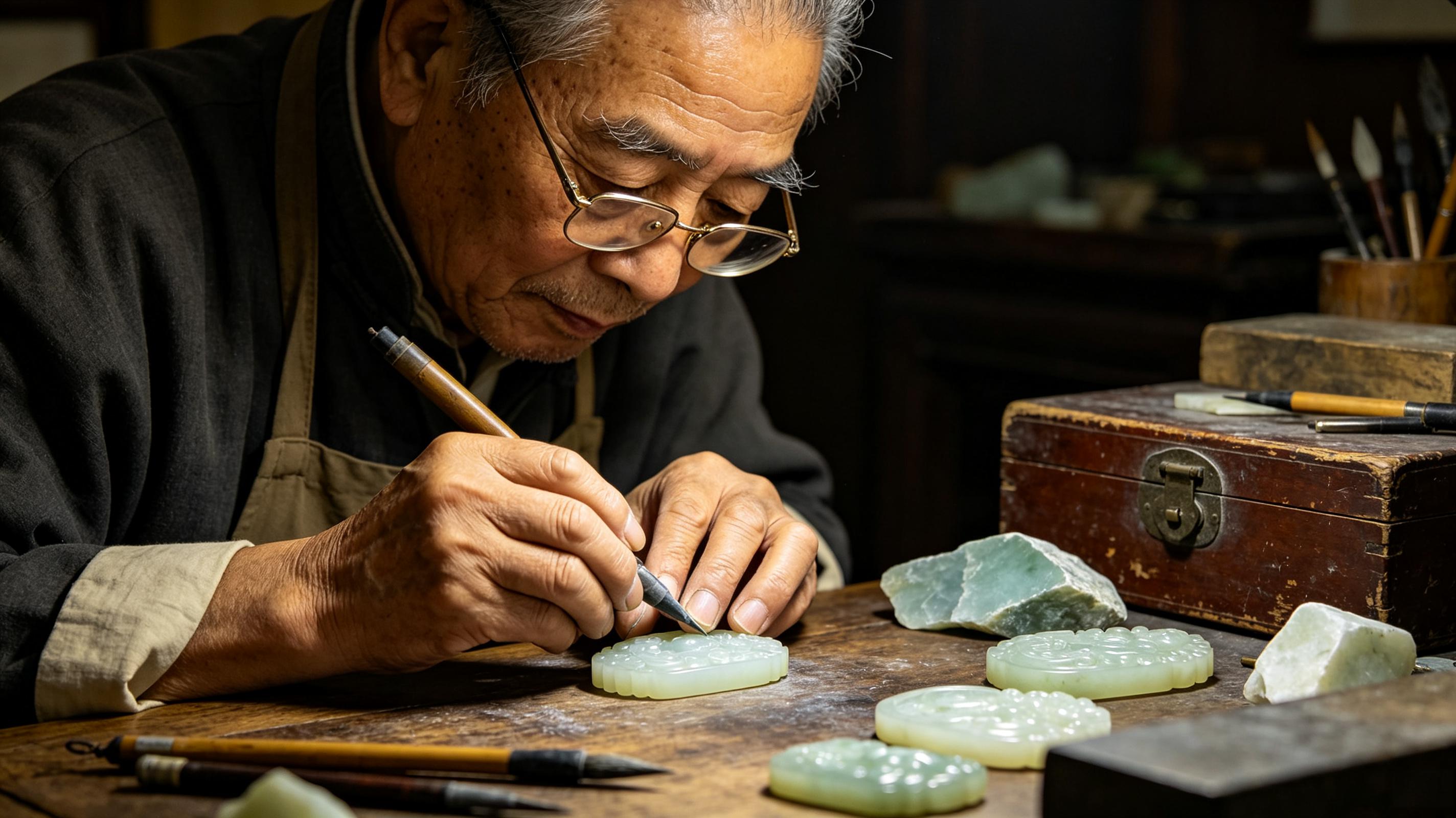
Throughout the 5,000-year history of Chinese civilization, Hetian jade has always been the core carrier of jade culture, known as "the crown of jades and the foremost of national stones". It is not only a warm and exquisite natural treasure, but also bears the Chinese people's spiritual character, aesthetic pursuit and auspicious expectations. From ancient mining in the deep Kunlun Mountains to exquisite carving by artisans, every step of Hetian jade's journey embodies the wisdom of traditional crafts and witnesses the intergenerational transmission of cultural bloodline. Understanding the mining and carving techniques of Hetian jade is the key to deciphering the inheritance of Chinese jade culture.
1.Foundation of National Jade: The Millennium Cultural Heritage of Hetian Jade
- Symbol of morality and ritual: Since ancient times, Hetian jade has been deeply bound to the Confucian "jade virtue" ideology. Its mildness, toughness and purity correspond to the five virtues of benevolence, righteousness, wisdom, courage and purity, making it a material symbol of a gentleman's character. Meanwhile, Hetian jade was the core carrier of ancient rituals. From ritual jades like bi discs and gui tablets to imperial seals symbolizing royal power, Hetian jade was used for the highest standards, embodying supreme etiquette and hierarchical connotations.
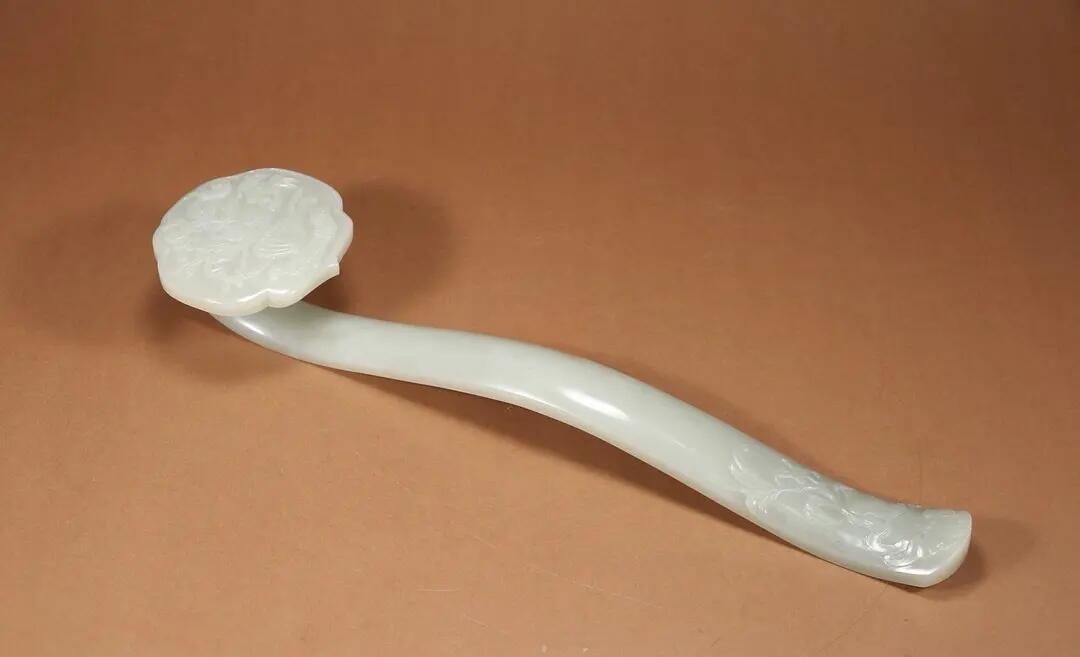
- Auspicious token in folk life: Among the people, Hetian jade is also a deeply rooted auspicious symbol. The belief that wearing jade ornaments can "ward off evil, bring blessings and maintain health" has been passed down for thousands of years. Jade locks, bracelets and pendants carry elders' blessings for the younger generation. Auspicious patterns in jade carving, such as bats, peaches and ruyi scepters, integrate expectations for a better life into small pieces of jade, becoming an important carrier of folk culture.
2.Ancient Craftsmanship: The Traditional Technique System of Mining and Carving
- Traditional mining techniques: Natural wisdom in harmony with nature: Traditional Hetian jade mining is divided into seed jade collection and mountain jade mining. The "river jade picking" method for riverbed seed jade has been passed down for thousands of years. After floodwaters recede, jade pickers search for jade along the Yurungkash River floodplain, identifying jade among pebbles based on the experience of "recognizing jade through its skin", relying entirely on eyesight and feel passed down orally. The "mountain mining" method for mountain jade relies on manual excavation along jade veins, following the principle of "extracting jade along the natural grain". Using tools like hammers and steel drills, it not only ensures the integrity of jade materials, but also implies reverence and restraint for nature.
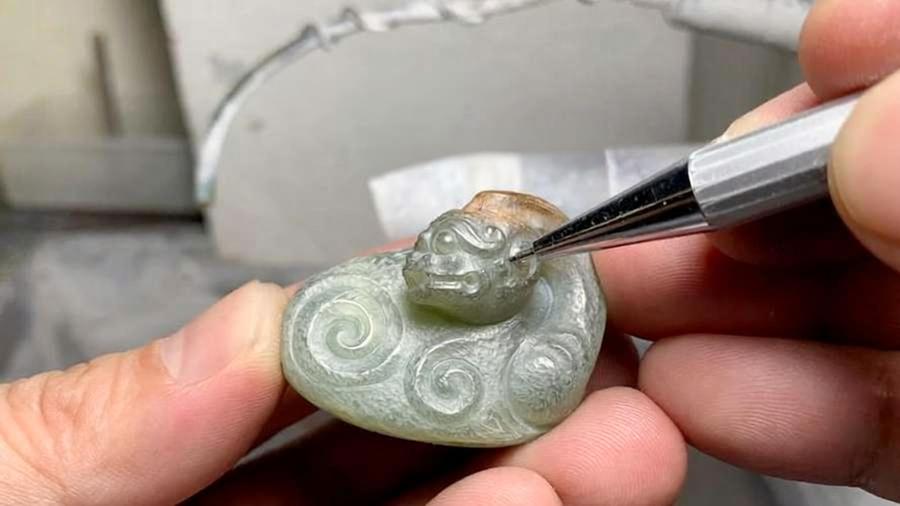
- Traditional carving techniques: Ultimate craftsmanship tailored to materials: Hetian jade carving has a complete traditional craft system, emphasizing "design based on material and skillful use of natural colors". Artisans need to customize creation plans according to the shape, quality and skin color of jade materials to maximize the beauty of natural materials. The process includes six major links: material selection, design, rough shaping, fine carving, polishing and waxing, each with strict technical standards. Historically formed schools such as Suzhou style and Yangzhou style, known for exquisite elegance and grand momentum respectively, have jointly built the artistic height of Chinese jade carving.
3.Passing the Flame: Contemporary Inheritance and Cultural Preservation Path
- Craft protection under the intangible cultural heritage system: Today, Hetian jade carving has been included in the national intangible cultural heritage list. Through identifying representative inheritors and establishing intangible heritage workshops, the core essence of traditional techniques is systematically protected. The government and the industry jointly promote the recording and sorting of techniques, transforming originally orally transmitted experience into inheritable text and video materials, laying a solid foundation for technique preservation. Meanwhile, standardizing mining order and protecting jade resources and ecological environment have also become important consensus for contemporary protection of Hetian jade culture.
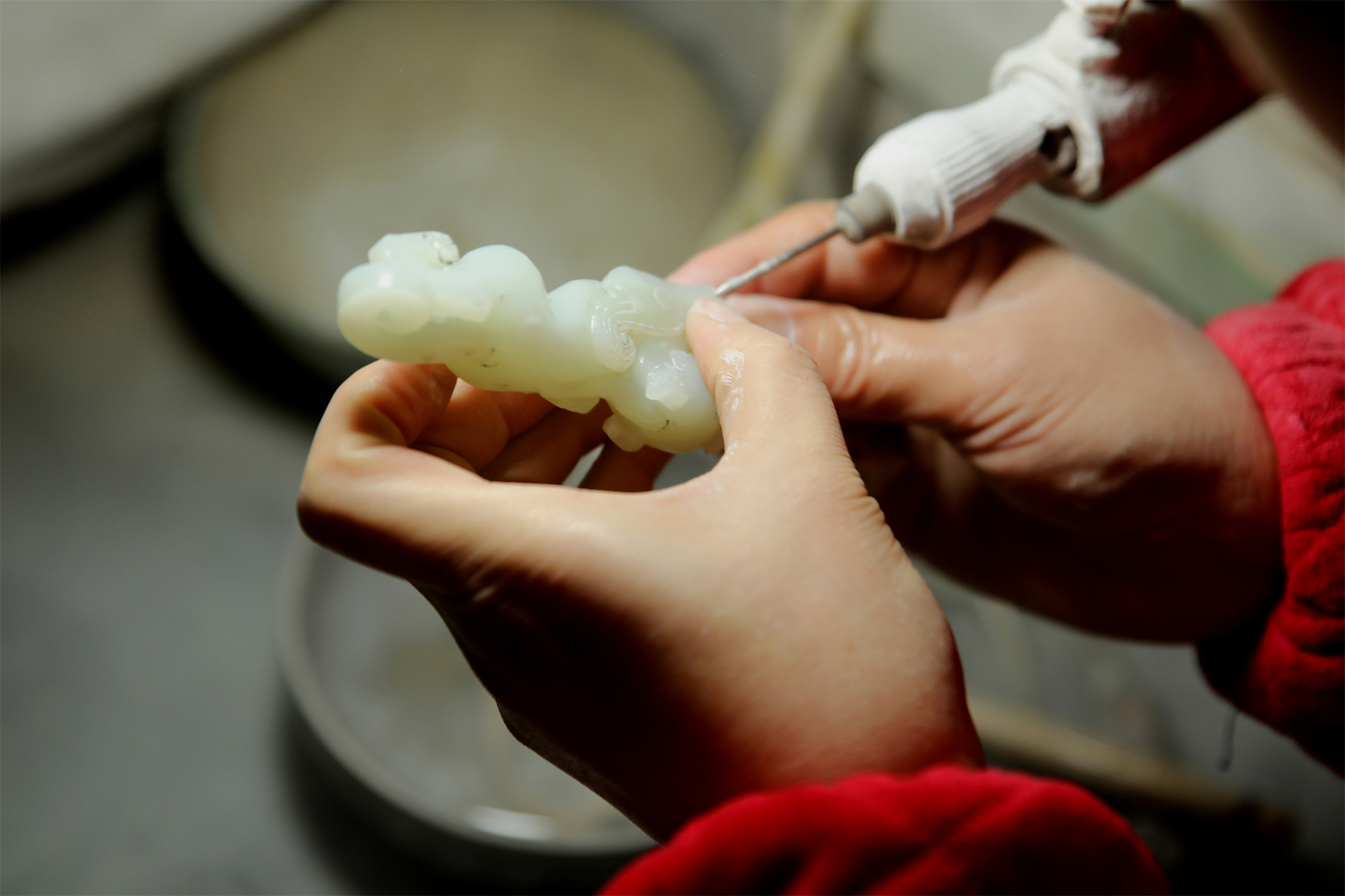
- •Innovative renewal in living inheritance: On the basis of adhering to the traditional core, the contemporary Hetian jade industry is exploring new paths for living inheritance. Vocational colleges offer jade carving majors, breaking the limitations of the traditional master-apprentice system and systematically training young technical talents. Young creators integrate modern aesthetics and life scenarios, launching lightweight, daily-use jade carving cultural and creative products, bringing the millennium national jade into public life. The integration of traditional techniques and modern design endows Hetian jade culture with new vitality in contemporary times, and also provides a sustainable development model for intangible cultural heritage inheritance.
For thousands of years, Hetian jade has traveled from the Kunlun Mountains to thousands of households, from an imperial treasure to a cultural symbol, and what remains unchanged is the craftsmanship and cultural spirit behind it. Guarding Hetian jade culture means not only protecting the traditional techniques of mining and carving, but also the aesthetic character and spiritual roots of the Chinese nation passed down for thousands of years. Continuing craftsmanship through living inheritance and rejuvenating through innovative development is the best way to guard this millennium cultural heritage.