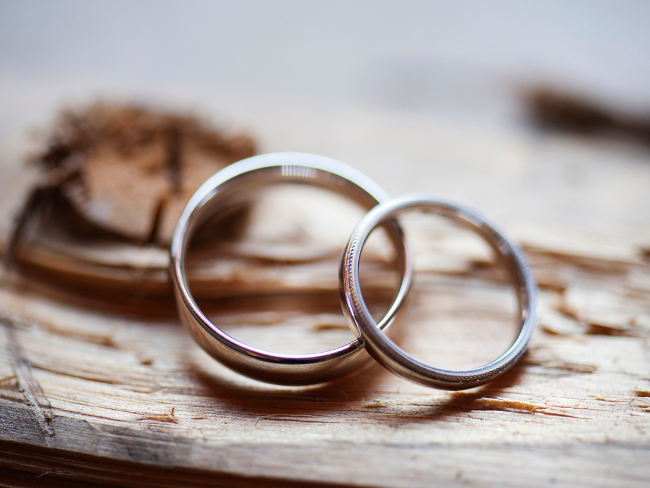
What Is 18K Rose Gold?
18K rose gold is a premium alloy—not pure gold, but a carefully balanced mix of metals that combines beauty with practicality. It’s a favorite among jewelry lovers for its soft pinkish hue and long-lasting quality.
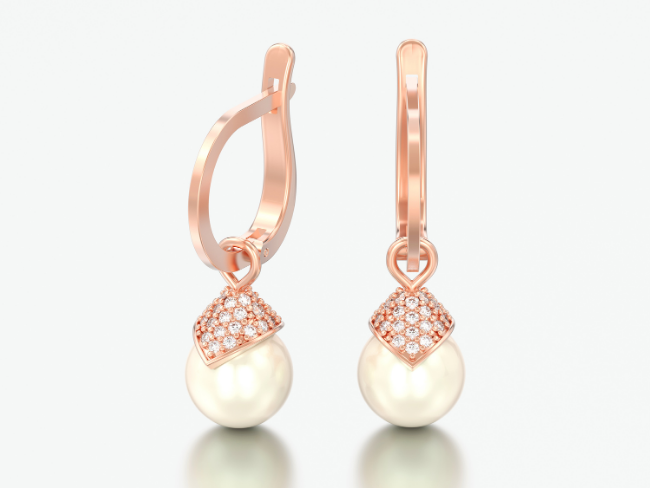
Core Traits of 18K Rose Gold
- Material Breakdown: 75% pure gold (the industry standard for “real gold” in fine jewelry) + 22.25% copper + 2.75% silver. The copper is what gives it that signature rose color—adjusting the copper-to-silver ratio can create subtle variations, from pale blush to deep rose.
- Authenticity Marks: Look for stamps like “AU750,” “18K,” or “G750” on the jewelry. These engravings confirm it contains 75% pure gold, so you know you’re getting a genuine piece.
- Durability: Unlike pure gold (which is too soft to hold shape), 18K rose gold is hard and scratch-resistant. It won’t bend easily, even with daily wear—making it great for rings, bracelets, or necklaces you wear nonstop.
- Craftsmanship Potential: Its malleability (ability to be shaped) lets jewelers create intricate designs—think delicate filigree, layered pendants, or gemstone settings. Luxury brands like Tiffany & Co., Cartier, and Bulgari often use 18K rose gold in their iconic collections for this reason.
- Price Range: For plain styles (no gemstones), expect to pay a few thousand yuan (or $300–$1,000+ depending on brand and design). Luxury or gemstone-adorned pieces can cost significantly more.
What Is 925 Silver-Plated Gold?
925 silver-plated gold (often called “silver-gold plated” for short) is a budget-friendly alternative to solid gold. It’s designed to look like gold but uses a more affordable base metal.
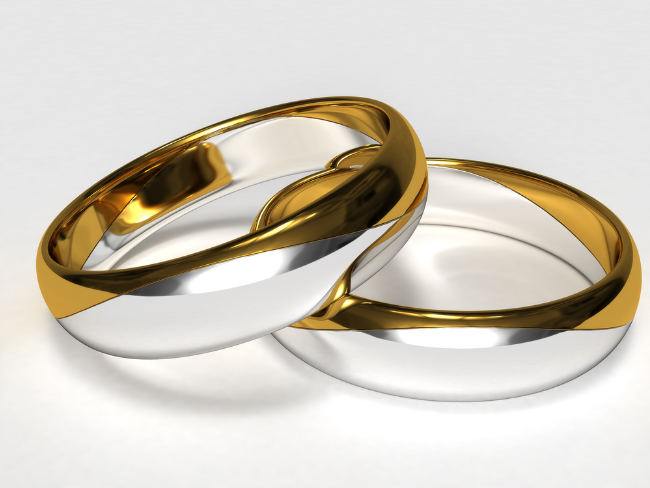
Core Traits of 925 Silver-Plated Gold
- Material Structure: A base of 925 silver (92.5% pure silver + 7.5% other metals, like copper, to add strength) with a thin layer of gold electroplated on top. The gold layer is usually just 3–5 microns thick—thinner than a human hair.
- Visual Appeal: At first glance, it mimics the shine of solid gold perfectly. It comes in a wide range of styles (from dainty chains to bold earrings) and offers that golden look without the high price tag.
- Key Limitations:
- Short Lifespan: The thin gold plating wears off over time—especially if the jewelry rubs against clothes, skin, or water. Once the plating fades, the silver base underneath is exposed.
- Tarnishing: Exposed 925 silver reacts with oxygen, sweat, or chemicals (like perfume or lotion) and turns black. This tarnish is hard to remove and ruins the “gold” look.
- Uneven Plating: It’s common for plating to skip small areas—like the inside of a ring or the joints of a bracelet. These unplated spots tarnish first, making the jewelry look worn quickly.
- Price Range: Most pieces cost just a few hundred yuan (or $20–$100). It’s ideal if you want to try a golden trend without investing heavily.
Rose Gold vs. 925 Silver-Plated Gold: Side-by-Side Comparison
To make your choice easier, here’s a clear breakdown of how the two stack up across key factors:
| Factor | 18K Rose Gold | 925 Silver-Plated Gold |
|---|---|---|
| Core Material | 75% pure gold + copper + silver (precious metal alloy) | 925 silver base + thin gold plating (budget metal) |
| Durability | Hard, scratch-resistant; lasts for years (even with daily wear) | Plating wears off in months; silver base tarnishes |
| Design Flexibility | Supports intricate, luxury designs (filigree, gem settings) | Limited to simple styles (plating can’t handle fine details) |
| Price | A few thousand yuan (investment piece) | A few hundred yuan (disposable/trendy) |
| Maintenance | Minimal—just wipe with a soft cloth occasionally | High—avoid water/chemicals; needs re-plating (not worth the cost) |
| Long-Term Value | Retains value; can be passed down or resold | No value after plating wears off; usually discarded |
Which One Should You Buy?
Your choice depends on how you’ll use the jewelry and how much you want to invest:
-
Choose 18K Rose Gold if…
- You want jewelry for long-term wear (e.g., an engagement ring, a daily necklace).
- You value quality and don’t mind spending more for something that lasts.
- You love intricate designs or want a piece from a luxury brand.
-
Choose 925 Silver-Plated Gold if…
- You’re on a tight budget and just want to try a golden trend (e.g., a summer bracelet).
- You don’t plan to wear the piece often (e.g., a costume jewelry accessory for a party).
- You’re okay with replacing it after a few months.
FAQs About Rose Gold & 925 Silver-Plated Gold
Q1: Is 18K rose gold “real gold”?
A1: Yes! It contains 75% pure gold—more than enough to qualify as “real gold” in most countries. The other metals (copper, silver) just add color and strength.
Q2: Why does 925 silver-plated gold turn black?
A2: The thin gold plating wears off, exposing the 925 silver base. Silver reacts with oxygen and sweat to form a black oxide layer (tarnish).
Q3: Can I re-plate 925 silver-plated gold once the plating fades?
A3: Technically, yes—but it’s rarely worth it. Re-plating costs almost as much as buying a new piece, and the results don’t last long.
Q4: Is 18K rose gold safe for people with metal allergies?
A4: Usually! The high gold content is hypoallergenic, and the small amounts of copper/silver rarely trigger reactions. If you have severe copper allergies, test a small piece first.
Final Thoughts
Rose gold and 925 silver-plated gold serve very different needs. 18K rose gold is an investment in quality and longevity, while 925 silver-plated gold is a fun, affordable way to chase trends. By understanding their differences, you can pick jewelry that not only looks great but also fits your lifestyle—no buyer’s remorse required.
Ready to shop? Start by asking yourself: Do I want this piece to last for years, or just for now? The answer will guide you to the right choice.