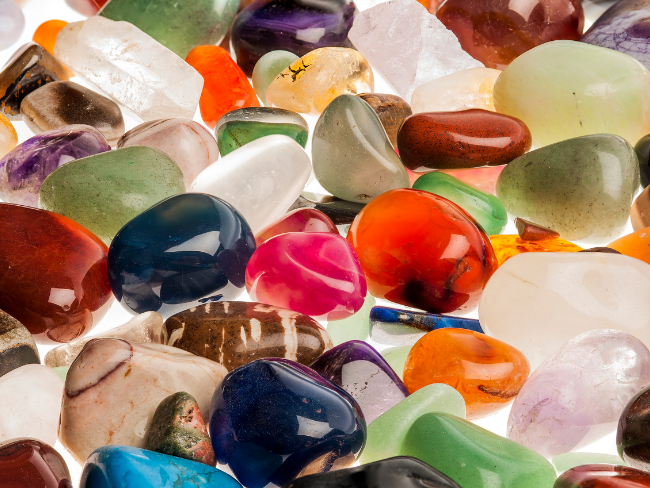
Many stones that visually resemble jade are often used to imitate genuine jadeite or nephrite.
Some are crafted to look like jade, while others carry names that include the word “jade,” misleading unsuspecting buyers.
It’s important to understand that “jade” in a cultural context broadly refers to two distinct minerals:
-
Jadeite (such as Burmese jadeite)
-
Nephrite (such as Hetian jade)
Below, we list common stones and materials frequently used to imitate high-quality jade, along with tips to help you tell them apart.
1. Marble (Often Sold as “Afghan Jade”)
Imitates: Hetian jade, white nephrite
Key Traits:
-
Appears milky white and feels lighter than jade.
-
Has a waxy luster instead of the oily glow of nephrite.
-
Softer than jade—easily scratched with a blade.
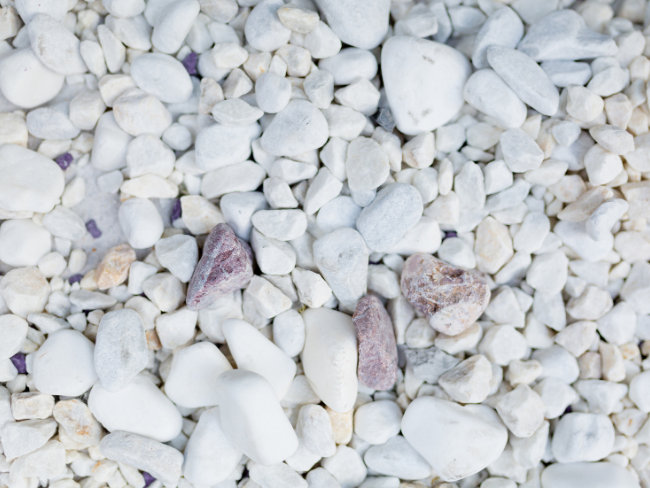
2. Quartzite (Marketed as “Malaysian Jade” or “Indian Jade”)
Imitates: Jadeite, nephrite
Key Traits:
-
Often dyed to mimic jade; color may look artificial and gather in cracks.
-
Shows a granular texture under magnification.
-
Lacks the internal, naturally distributed color of true jade.
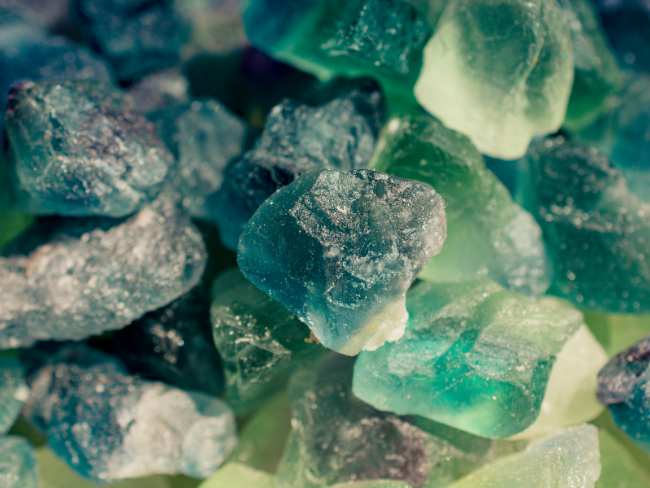
3. Xiuyan Jade (A Real but Low-Value Nephrite)
Imitates: High-grade jadeite
Key Traits:
-
A genuine type of nephrite, but less valuable.
-
Softer and less dense than jadeite; has a weaker luster.
-
Often shows a translucent green variety called “Jia Cui.”
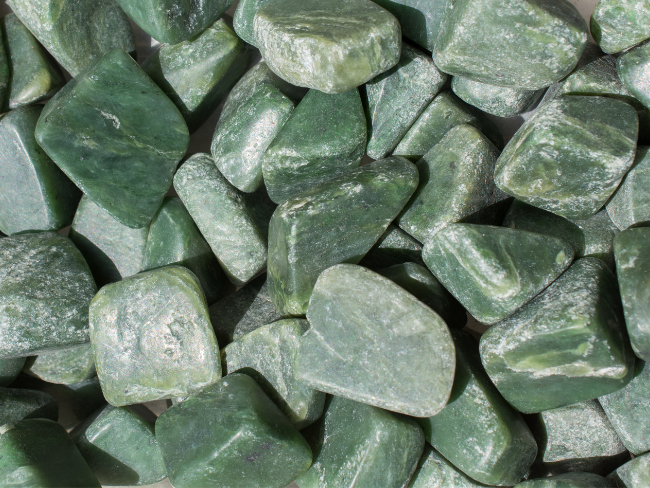
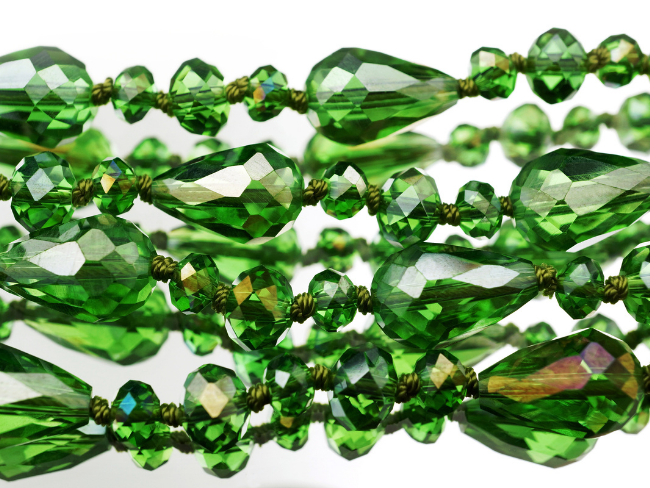
4. Glass (Often Called “Artificial Jade” or “Pressed Glass”)
Imitates: High-end jadeite
Key Traits:
-
May contain bubbles or swirl marks.
-
Feels warmer to the touch than cool, dense jade.
-
Often too perfectly clear or uniform.
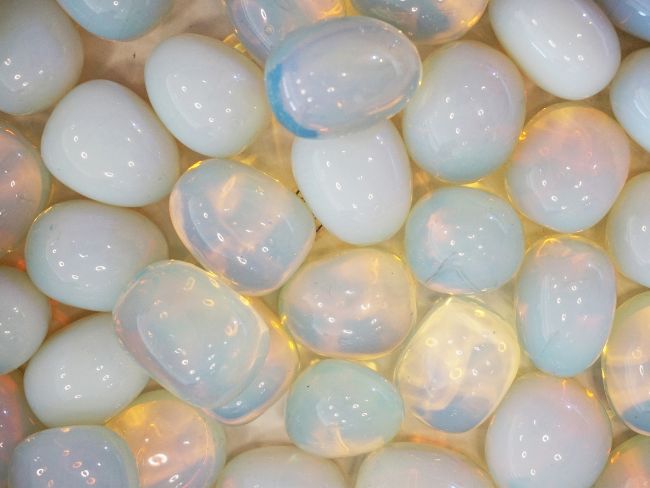
5. Opalite Glass (Milky Glass Used as Fake Nephrite)
Imitates: White nephrite, mutton-fat jade
Key Traits:
-
Uniform milky appearance with no natural imperfections.
-
May show mold marks and lacks internal structures like cotton or grain patterns.
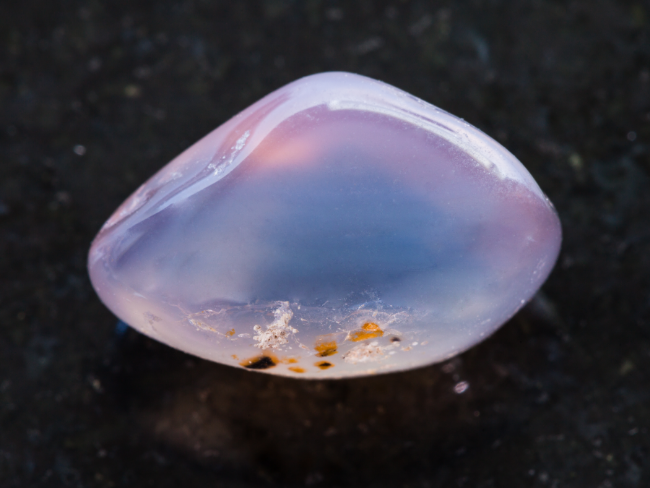
6. Chalcedony (“Water Foam Jade” or Shui Mo Zi)
Imitates: High-clarity ice jadeite or glass-type jadeite
Key Traits:
-
Transparent with cotton-like inclusions.
-
Significantly lighter in weight than jadeite.
-
Softer luster and lower density.
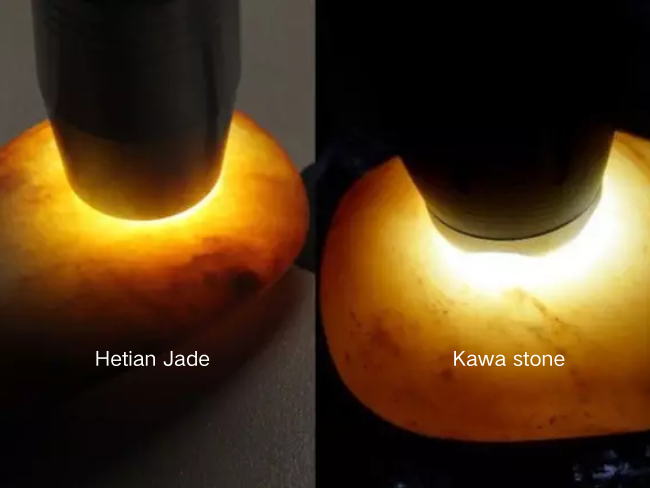
7. Kawa Stone (A Common Imitator in Xinjiang)
Imitates: Hetian jade
Key Traits:
-
Rough texture, dry appearance, no oily luster.
-
Often comes from serpentine or altered rock near nephrite deposits.
8. Other Nephrite Varieties (e.g., Russian or Canadian Jade)
Imitates: Hetian green jade
Key Traits:
-
Russian jade often has brighter color with black spots.
-
Canadian jade tends to be yellow-green with more inclusions.
-
Hetian jade is more oily, subtle, and highly prized.
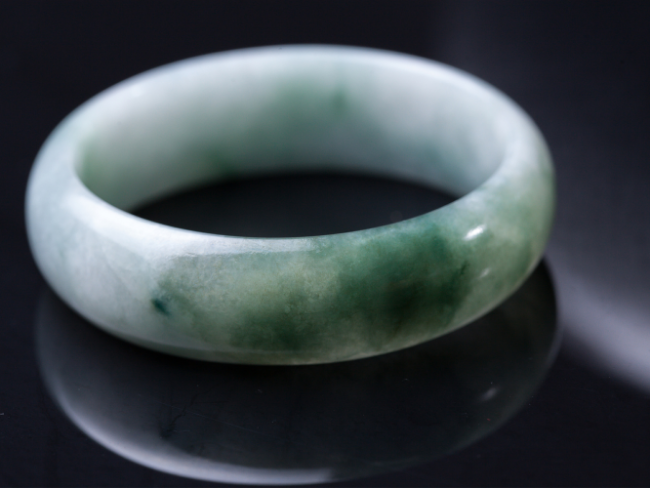
How to Identify Real Jade
✅ Check the Weight
Jadeite (density ~3.33) and nephrite (~2.95) feel heavier than marble, glass, or chalcedony.
✅ Observe the Luster
-
Jadeite: bright glass-like luster.
-
Fakes often have a waxy or dull shine.
✅ Inspect the Structure
Under bright light, natural jade often contains inclusions like cotton, veins, or grain patterns. Glass imitations are often too clean or contain bubbles.
✅ Test the Hardness (Use with Caution)
Jadeite and nephrite are hard and cannot be scratched with a blade. Marble, Xiuyan jade, and glass can be scratched. This is a destructive test—use only as a last resort.
✅ Get Professional Verification
The safest method is to obtain a certificate from a recognized gemological lab such as NGTC (National Gemstone Testing Center).