Walk into any Chinese antique shop or modern jewelry store, and you’ll likely encounter Hetian Jasper—a lush green gemstone celebrated for its silky texture, warm luster (like Hetian jade) , and vibrant hue (echoing jadeite) . But beyond its beauty, this gem carries over 3,000 years of Chinese cultural heritage, weaving through royal rituals, poetry, and spiritual beliefs. Let’s uncover why Hetian Jasper remains a beloved symbol of elegance and meaning today.
1. A Symbol of Imperial Power: Reserved for Royalty
Hetian Jasper has long been dubbed the "Noble of Jades" in China, its deep green hue once seen as a bridge between the mortal world and the heavens. In ancient times, it was strictly reserved for royalty—commoners were forbidden from owning it, a rule enforced even by Emperor Qianlong of the Qing Dynasty (1735–1796) .
Its connection to power is rooted in history:
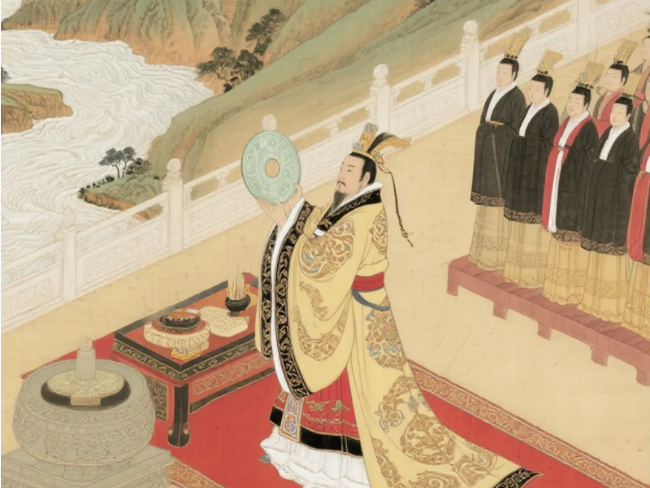
- Ancient Rituals: The Rites of Zhou (a foundational Chinese classic dating to the Western Zhou Dynasty, c. 1046–771 BCE) records, "Azure bi (flat jade discs, often made of Hetian Jasper) are used to worship Heaven" . Its rich green was believed to "communicate with the divine," making it a core part of state ceremonies.
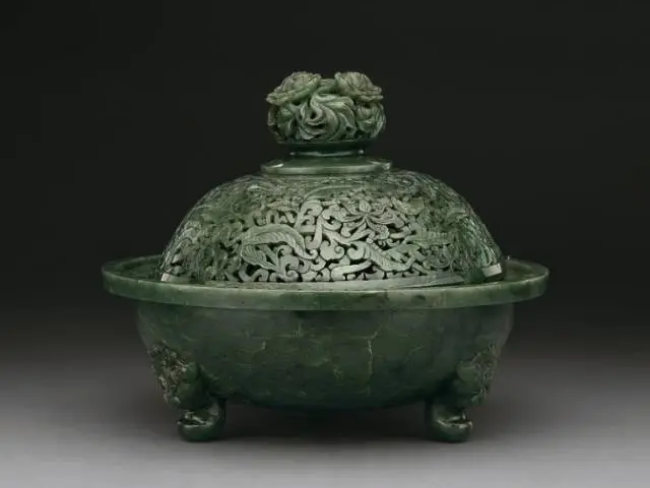
- Royal Artifacts: The Jasper Carving of Clouds and Dragons Urn—a masterpiece crafted by the Imperial Workshop (the Qing court’s exclusive crafts studio) —showcases Hetian Jasper’s artistic potential. Today, it resides in the Palace Museum’s Treasure Gallery in Beijing, a testament to its royal legacy.
- Exclusive Use: Imperial seals, archaic-style vases, and ceremonial vessels were all carved from Hetian Jasper, solidifying its status as a symbol of "divine right to rule."
2. A Carrier of Virtue: The "Flawless" Moral Icon
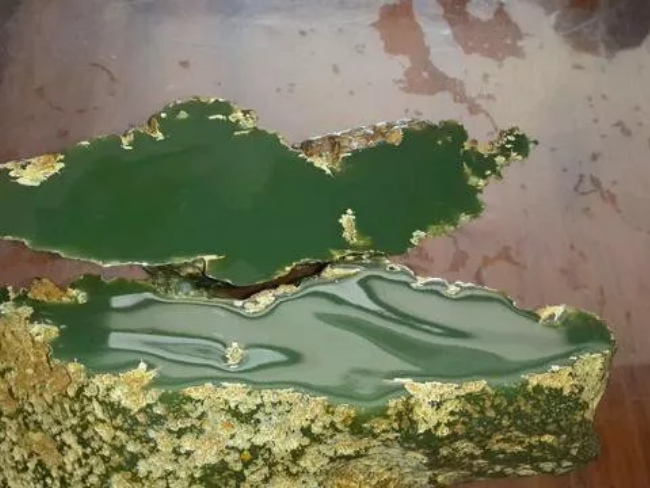
Hetian Jasper’s clear, unblemished surface inspired ancient Chinese to link it to noble character. Its pure green, reminiscent of spring water glinting in sunlight, became a metaphor for "uncorrupted virtue."
For scholars and literati, Hetian Jasper was more than a gem—it was a "spiritual totem":
- The phrase "jasper without blemish" (bi yu wu xia) became a common way to praise someone’s integrity.
- Poets like Lu You (1125–1210, a famous Song Dynasty poet) used Hetian Jasper in verses to express their own noble aspirations. In one poem, he wrote, "The jasper was uncarved in its prime," subtly comparing his unwavering principles to the gem’s untouched purity.
3. A Muse in Poetry: Capturing Beauty Through the Ages
From 晋代 (Jin Dynasty, 266–420 CE) to 唐代 (Tang Dynasty, 618–907 CE) , Hetian Jasper was a favorite subject of poets, who used it to describe everything from young maidens to natural landscapes.
Here are its most iconic poetic roles:
- Youthful Beauty: The Jasper Song (Jin Dynasty) coined the term "humble family’s jasper" (xiao jia bi yu) to describe a gentle, graceful young woman. Later, "jasper years" (bi yu nian hua) became a poetic way to refer to a 16-year-old girl’s youthful charm.
- Natural Elegance: He Zhizhang (659–744, a Tang Dynasty poet) wrote in Ode to Willow: "A tall willow stands, dressed in jasper" . The line cleverly blends nature and humanity—comparing willow leaves to shimmering Hetian Jasper, while evoking the grace of a young lady.
- Pure Landscapes: Poets expanded its use to describe nature’s purity:
- Li Bai (701–762) wrote, "The water of Jinci Temple flows like jasper" (linking the gem to clear water) .
- Du Fu (712–770) used "jade-blue void" (bi xu) to paint a crisp, cloudless sky.
- Xue Angfu (Yuan Dynasty, 1267–1359) even compared snowflakes to "heavenly jasper and fine jade" (tian xian bi yu qiong yao) , highlighting the gem’s association with transparency.
4. A Token of Blessing: Protection and Wellness
Ancient Chinese believed Hetian Jasper held spiritual and healing powers, making it a popular amulet for safety and health.
- Healing Beliefs: The Compendium of Materia Medica (a classic Chinese medical text by Li Shizhen, 1518–1593) notes that Hetian Jasper "calms the soul and balances qi (vital energy)" . People wore it as pendants to ease anxiety and promote well-being.
- Spiritual Protection: In Taoism, Hetian Jasper was seen as a tool to ward off evil. Commoners often commissioned carvings of Guanyin (the Bodhisattva of Compassion) or longevity locks (chang ming suo) from the gem, hoping to protect their families—especially children—from harm.
Hetian Jasper Today: Heritage Meets Modernity
Hetian Jasper’s meaning hasn’t faded with time. Today, it remains a symbol of:
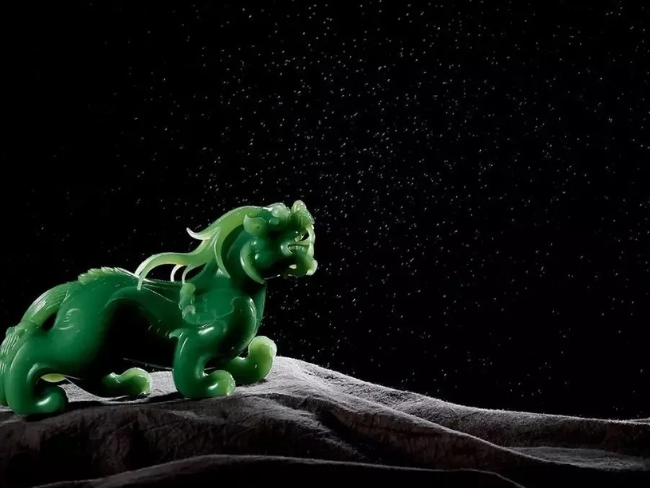
- Elegance: It adorns modern jewelry (necklaces, bracelets) , blending traditional charm with contemporary design.
- Spiritual Comfort: Many still wear it as a reminder of purity and calm, staying true to its ancient symbolic roots.
- Collectible Value: Due to its rarity (especially high-quality Hetian Jasper from Xinjiang) , it’s a sought-after item for antique collectors and investors worldwide.
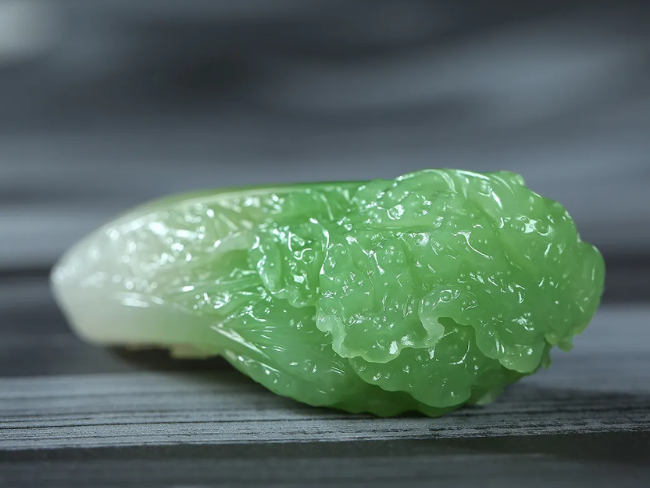
Hetian Jasper is more than a gemstone—it’s a living thread in China’s cultural tapestry, tying imperial history, poetic beauty, and spiritual beliefs to the present. Whether you’re drawn to its royal legacy, moral symbolism, or timeless elegance, it tells a story of 中华文明’s (Chinese civilization’s) enduring values.
Have you ever owned or admired a Hetian Jasper piece? Share your experience in the comments below!