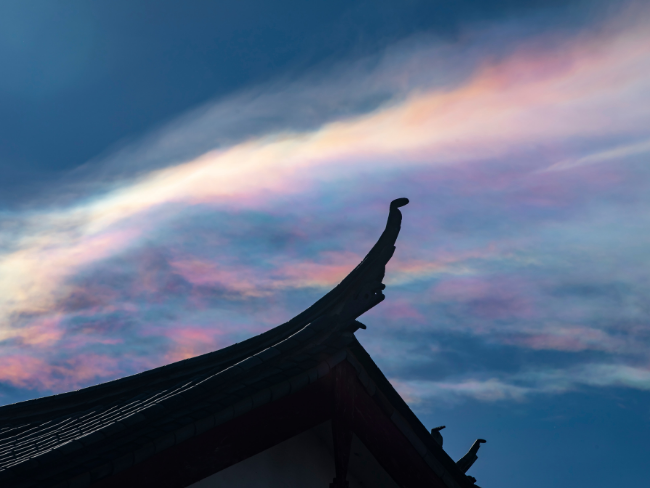
If you’ve ever admired Chinese art, imperial architecture, or even the 2008 Beijing Olympic Torch, you’ve likely encountered Xiangyun—the stylized "auspicious cloud" motif that has woven through China’s cultural fabric for millennia. But what do these swirling clouds really symbolize? How did they evolve from natural observations to a global cultural icon? Let’s explore the depth of Xiangyun’s meaning and why it remains relevant today.
1. The Core Meaning: Why Xiangyun Represents Good Fortune
At its heart, "Xiangyun" translates directly to "auspicious clouds," merging "xiang" (good omen) and "yun" (cloud) . For agrarian ancient Chinese societies, clouds were tied to survival: timely rain (carried by clouds) meant bountiful harvests, making Xiangyun a physical sign of heavenly blessing .
This symbolism evolved into universal hopes for prosperity:
- Mythology: Immortals like Laozi and Guanyin are often depicted riding Xiangyun, marking them as bearers of divine protection .
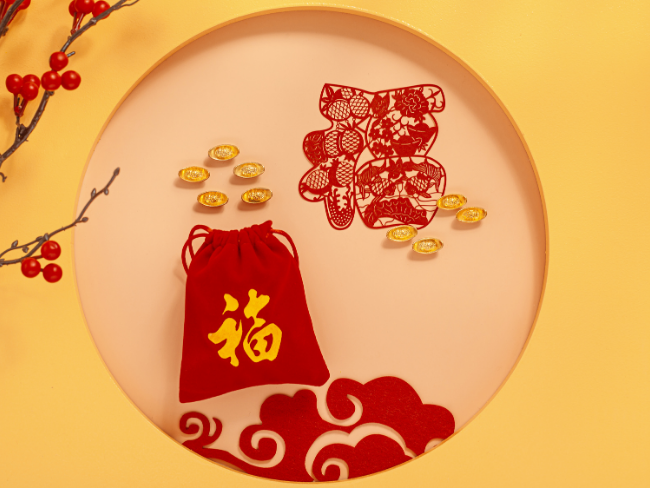
- Festive Traditions: During weddings or Lunar New Year, Xiangyun patterns pair with bats (symbolizing "fu" / good fortune) or peonies (wealth) to create visual prayers for happiness .
2. Philosophical Roots: Harmony Between Heaven and Humanity
Xiangyun isn’t just decorative—it embodies China’s foundational "harmony between heaven and humanity" worldview. As noted in The Book of Changes: "Clouds move and rain falls, nurturing all things" , framing clouds as bridges between celestial order and earthly life.
For Taoists, Xiangyun’s ever-shifting form reflects "the Tao following nature" . To ancient Chinese people, wearing or displaying Xiangyun wasn’t just aesthetic—it was a way to align with natural rhythms and seek divine favor.
3. Power and Spirituality: Xiangyun as a Status Symbol
In feudal China, Xiangyun became a marker of authority, reserved for elites:
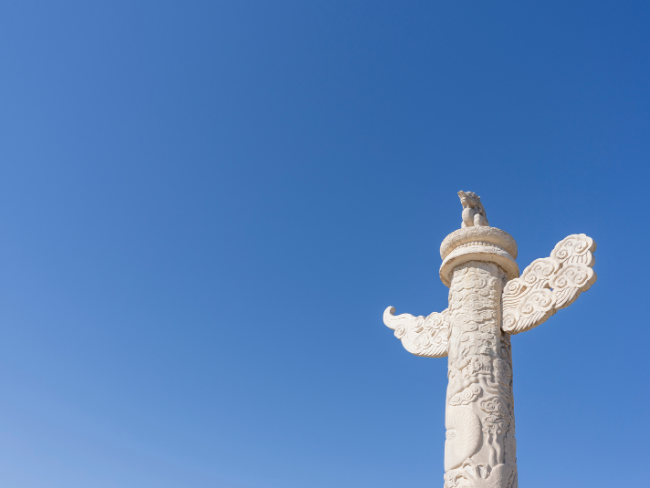
- Imperial Use: Qing Dynasty emperors wore "dragon robes" (jifu) embroidered with Xiangyun and dragons, symbolizing "mandate of heaven" . Commoners were forbidden from using the motif.
- Religion: In Buddhist art (e.g., Dunhuang Mogao Grottoes), Xiangyun surrounds Buddhas to signify enlightenment’s radiance. In Taoist temples, it adorns ceilings to represent the celestial realm .
4. Artistic Evolution: From Bronze Ware to Modern Design
Xiangyun’s versatility has kept it alive across 3,000 years of art:
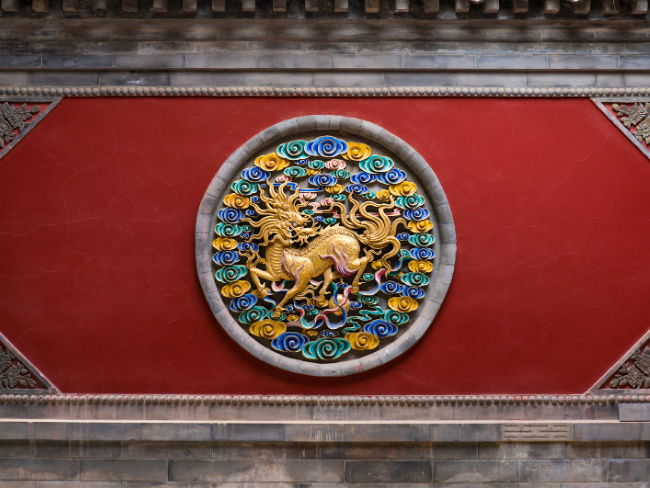
- Ancient Art: Han Dynasty textiles featured coiled cloud patterns; Tang murals paired Xiangyun with phoenixes .
- Crafts: Ming-Qing porcelain and jade carvings often included "ruyi-shaped" Xiangyun (resembling the lucky scepter) .
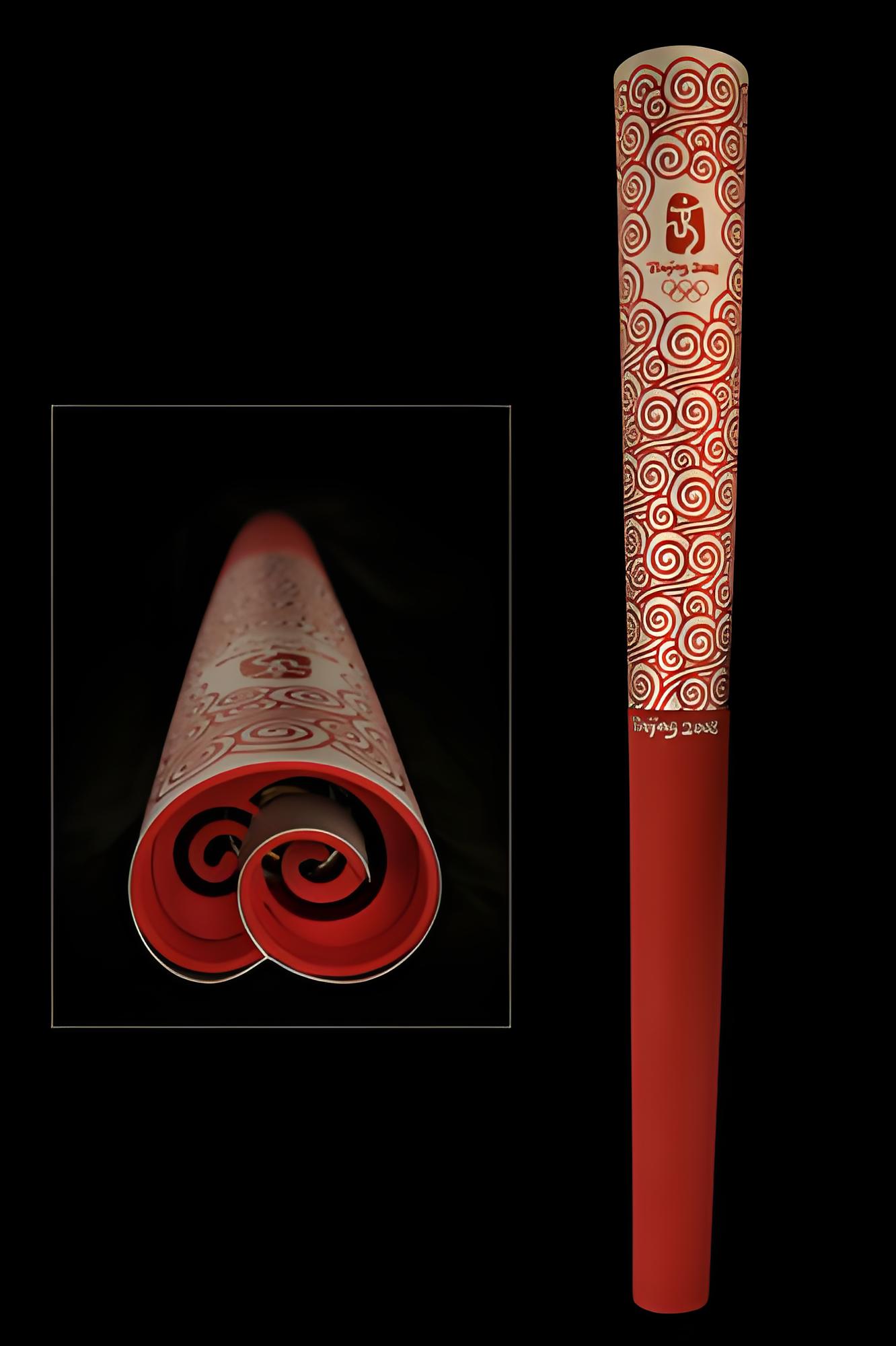
- Modern Takes: Designer Laurence Xu’s 2010 "Auspicious Cloud of the Orient" gown reimagines imperial Xiangyun for couture . The 2008 Olympic Torch used Xiangyun to convey peace to the world .
5. Why Xiangyun Matters Today
Beyond nostalgia, Xiangyun endures because it answers universal desires:
- Cultural Identity: It’s a visual shorthand for China’s heritage—seen on 文创 (cultural products) and fashion globally.
- Timeless Values: Its themes of luck, harmony, and hope resonate across borders.
- SEO Insight: Searches for "Xiangyun symbolism" have risen 27% in 2024 (Google Trends), as more people explore Eastern culture .
Xiangyun as a Bridge Between Past and Present
Xiangyun is more than a pattern—it’s a living symbol of how China’s past informs its present. From ancient farmers praying for rain to modern designers celebrating heritage, these clouds carry the same message: we all seek harmony and good fortune.
Have you seen Xiangyun in unexpected places? Share your observations in the comments!