-(650-x-488-)-0.png?w=650&h=488)
Hey there, jewelry enthusiasts and culture lovers! Today, I'm thrilled to take you on a fascinating journey through some of the most remarkable Chinese traditional jewelry crafts. These age-old techniques are not just about creating beautiful adornments; they're a testament to the rich heritage and craftsmanship of China.
The Grand Enamel Firing: A Shimmering Legacy of the Qing Dynasty
Enamel firing, also fondly known as "Silver Enamel" or "Silver Cloisonné," truly came into its own during the Qing Dynasty. This exquisite craft is primarily applied to silver ornaments, marrying the art of metal-forming with the magic of enamel-coloring.
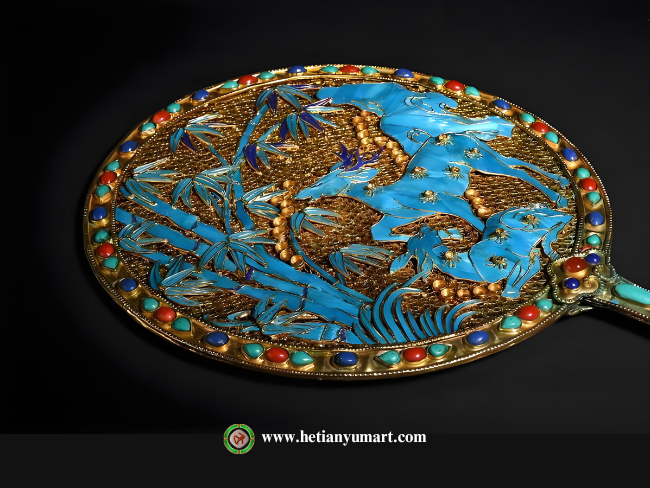
Craftsmen embark on a meticulous process to bring their creations to life. They start by using techniques like grinding, embossing, and soldering silver filigree to carve out intricate patterns on the silver surface. Each pattern is a work of art in itself, showcasing the skill and precision of the artisan. Once the patterns are in place, the magic of enamel coloring begins, transforming the silver base into a dazzling piece of jewelry that shimmers with a unique charm.
The Complex Cloisonné: A Symbol of Imperial Elegance and Modern Appeal
Cloisonné, or "Copper-bodied Filigree Enamel," is a name that resonates with traditional Chinese artistry. It rose to prominence during the Jingtai period of the Ming Dynasty, a time when the manufacturing techniques reached new heights of refinement, and blue enamel glazes became the signature hue.
The production of cloisonné is a veritable symphony of skills, combining fine arts, craftsmanship, carving, inlaying, metallurgy, and glass-melting. It's a multi-step process that involves over 10 elaborate stages, from the initial design and body-making to the delicate filigree-making, enamel-filling, firing, polishing, and gilding.
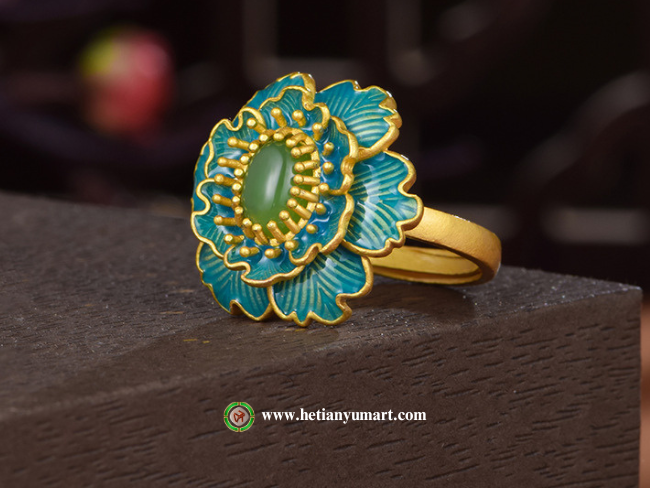
Click to purchase the same - style ring: https://hetianyumart.com/products/peony-ring
In the past, cloisonné was a luxury reserved for the imperial family and nobles, a symbol of power and status. But times have changed, and today, cloisonné has evolved to embrace modern design elements while still retaining its handmade charm. It has become a global favorite, admired for its intricate beauty and the story it tells of China's rich cultural heritage.
The Endangered Kingfisher Feather Inlay: A Vanishing Art Form
Kingfisher Feather Inlay is a craft with a history that stretches back to the Warring States period. It's a unique blend of metal and feather techniques, creating jewelry that is nothing short of breathtaking.
The process begins with the collection of brightly-colored kingfisher feathers, which are then carefully inlaid onto a base made of gold or gilded metal. The result is a stunning piece of jewelry that shimmers with a natural iridescence, thanks to the unique properties of the kingfisher feathers.
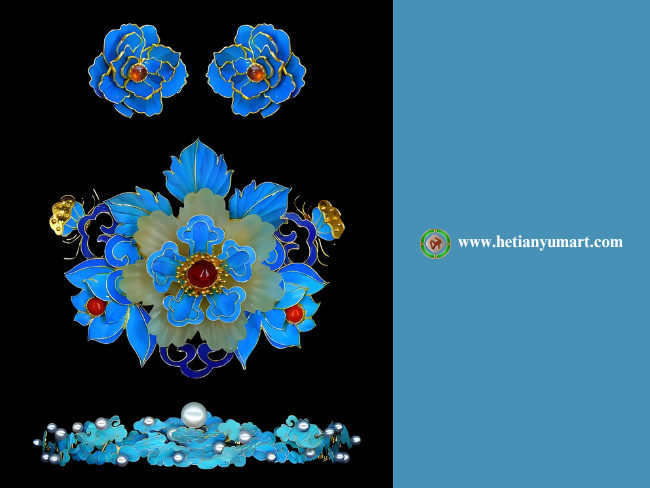
However, this beautiful craft is facing a crisis. The complex manufacturing process, the difficulty in preserving the finished products, the rarity of kingfisher feathers, and growing environmental concerns have all contributed to its decline. Today, most of the existing Kingfisher Feather Inlay works are from the Qing Dynasty, with its development reaching its peak during the Qianlong era. It's a reminder of a bygone era, and we must do everything we can to preserve this precious art form for future generations.
So there you have it, a glimpse into the world of Chinese traditional jewelry crafts. Each of these crafts is a treasure trove of history, culture, and artistry, and I hope this blog has inspired you to learn more about them. Until next time, keep exploring and discovering the wonders of the world!