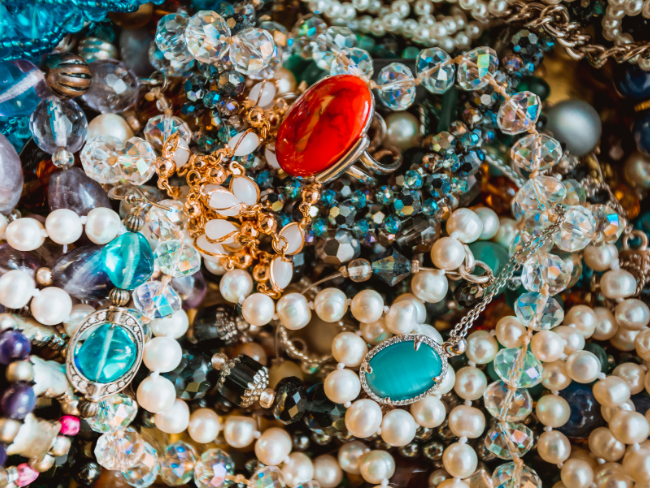
Jewelry is more than just an accessory—it’s one of the closest "energy fields" to our bodies, rooted in the principles of environmental Feng Shui. Many believe that the right gemstones can help harmonize our personal energy by aligning with the Five Elements (Metal, Water, Wood, Fire, Earth)—a core concept in traditional metaphysics. In this guide, we’ll break down how gemstones map to the Five Elements, their classifications, and how to choose pieces that suit your unique Bazi.
1. Basic Classification of Jewelry
To understand gemstones’ energy, start with their fundamental categories—sorted by function and material.
1.1 By Wear Function
Jewelry is designed to adorn specific parts of the body, each bringing its energy closer to different areas:
- Headpieces (e.g., hairpins, tiaras)
- Neckpieces (e.g., necklaces, pendants)
- Chest pieces (e.g., brooches)
- Handpieces (e.g., rings, bracelets)
- Footpieces (e.g., ankle bracelets)
- Waistpieces (e.g., waist chains)
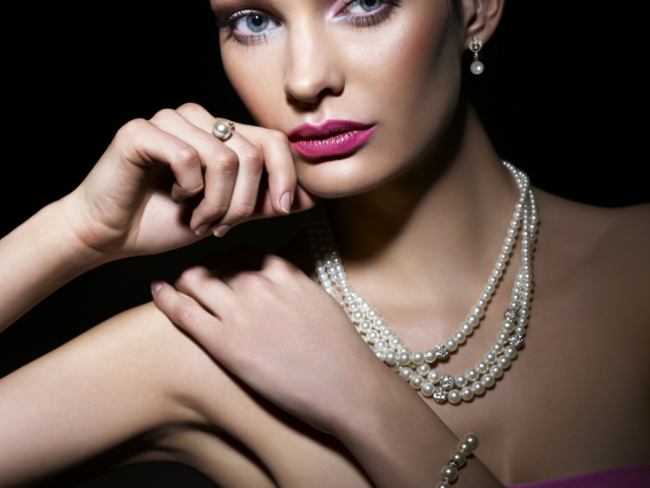
1.2 By Material
Common gemstone and jewelry materials include (but are not limited to):
- Diamonds
- Colored gemstones (e.g., rubies, sapphires)
- Gold
- Platinum
- Silver
- Pearls
- Crystals (e.g., clear quartz, rose quartz)
- Jadeite (Feicui)
- Coral
- Amber
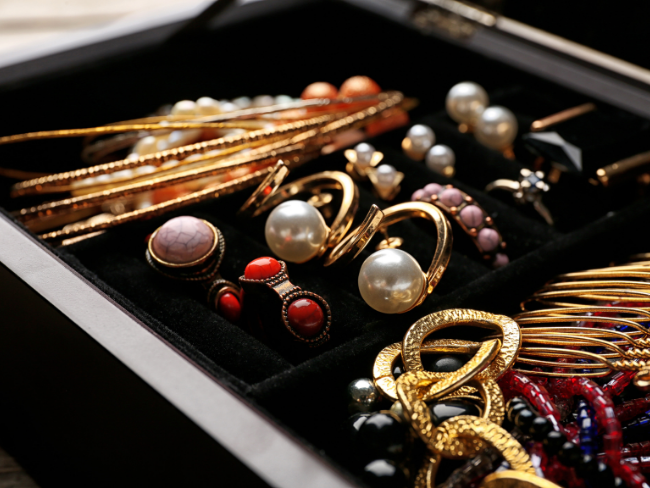
2. Core Concept: Gemstones and the Five Elements
Every gemstone has two key "Elemental identities":
- Intrinsic Element: Determined by its natural material.
- Color-Based Element: Determined by its visual hue (critical for Fire, as no material alone belongs to Fire).
Below is a clear breakdown of how gemstones align with each Element.
2.1 Five Elements by Gemstone Material
|
Five Element
|
Corresponding Gemstone Materials
|
Key Notes
|
|
Metal
|
Gold, silver, platinum, diamonds, jadeite (Feicui), Hetian jade, sugilite, tourmaline
|
Includes precious metals, hard gemstones, and certain jades
|
|
Water
|
Crystals (e.g., clear quartz, citrine, rose quartz, aquamarine)
|
Defined by their crystalline structure
|
|
Wood
|
Amber, beeswax, agarwood (chenxiang), rosewood
|
Focuses on organic, plant/ resin-based materials
|
|
Fire
|
No exclusive material
|
Fire energy must come from color (see Section 2.2)
|
|
Earth
|
Pearls (formed as "biological stones"), coral, turquoise, malachite, southern red agate (Nanhong), lapis lazuli
|
Centered on mineral deposits or biological formations
|
Special Case: Multi-Element Gemstones
Some gemstones have mixed Elemental properties. For example:
- Obsidian: Formed from cooled volcanic magma (silica glass with 2-3% water content), it combines Metal, Earth, and Water Elements.
2.2 Five Elements by Gemstone Color
Color is the primary way to access Fire energy—and it can also shift a gemstone’s apparent Element. Here’s how hues map to the Five Elements:
|
Five Element
|
Corresponding Gemstone Colors & Examples
|
Difference from Material-Based Element
|
|
Metal
|
Yellow (e.g., gold, yellow diamonds), silver/white (e.g., silver, platinum, white diamonds), light crystals (e.g., clear quartz, citrine, rutilated quartz)
|
Clear quartz is "Water" by material but "Metal" by color
|
|
Water
|
Blue tones (e.g., aquamarine, blue turquoise), dark tones (e.g., obsidian, lapis lazuli)
|
Obsidian is multi-Element by material but "Water" by color
|
|
Wood
|
Jadeite is "Metal" by material but "Wood" by color
|
|
|
Fire
|
Fills the gap of "no Fire materials"—color alone carries Fire energy
|
|
|
Earth
|
Dark brown tones (e.g., smoky quartz), warm tones (e.g., amber)
|
Amber is "Wood" by material but "Earth" by color
|
Common Color-Coded Gemstone Lists
For quick reference, here are popular gemstones sorted by color:
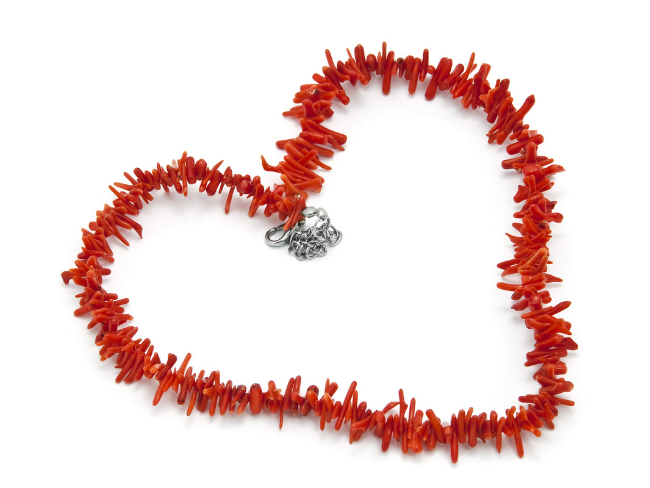
- Red: Red diamonds, cinnabar, red quartz, garnet, coral
- Green: Green tourmaline, rubies (note: some rubies have green undertones), green quartz, emerald, prehnite
- Yellow: Yellow sapphires, yellow tourmaline, tiger’s eye, rutile quartz, citrine
- White: White jade, white phantom quartz, clear quartz, white coral, white diamonds, white pearls, tridacna, white chalcedony
- Black: Black diamonds, black pearls, black agate, black rutilated quartz, black tourmaline, obsidian, black phantom quartz, black quartz
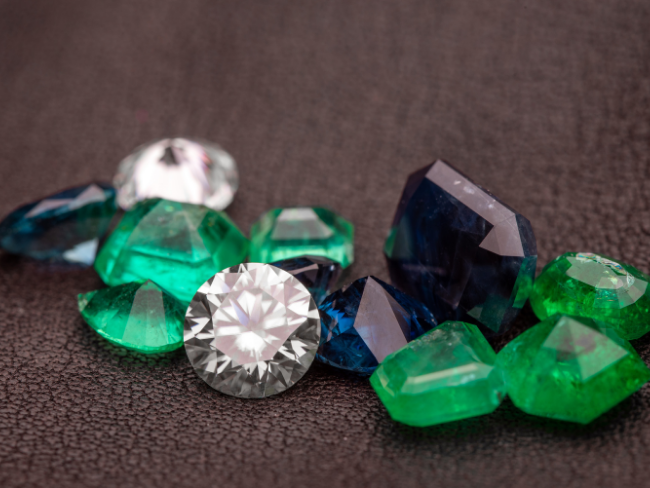
3. Special Characteristics of Popular Gemstones
Some gemstones have unique energy traits or cultural meanings—here are key ones to know:
3.1 Jadeite (Feicui) vs. Hetian Jade
Their energy suits different Bazi types:
- Jadeite (Feicui): Has a "cool, cold" energy. Best for people with a strong Bazi (balanced or excessive Elemental energy).
- Hetian Jade: Has a "warm, gentle" energy. Ideal for people with a weak Bazi (deficient Elemental energy).
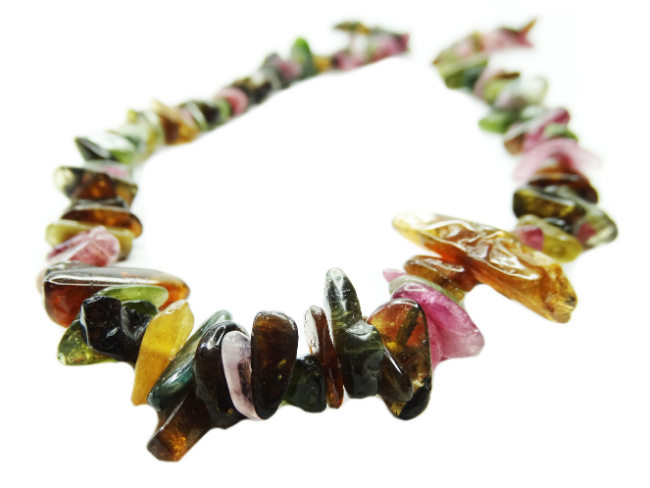
3.2 Tourmaline
A versatile gemstone with two key benefits:
- Intrinsic Element: Belongs to Metal by material.
- Color Flexibility: Comes in multiple hues (including bi-color tourmaline), so it can adapt to different Five Element needs.
- Cultural note: It’s often called a "harmony stone" (sometimes referenced as a stone that enhances marital harmony and partner’s well-being).
4. Key Takeaway: Bazi Alignment > Beauty or Price
No matter how beautiful or valuable a gemstone is, it won’t "nourish" your energy unless it aligns with your Bazi (Four Pillars of Destiny). Bazi analyzes your birth details to reveal your unique Elemental strengths and weaknesses—choosing gemstones that complement or balance your Bazi is the ultimate way to harness their energy.
FAQs (Frequently Asked Questions)
Q1: What’s the difference between a gemstone’s intrinsic Element (material) and color-based Element?
A1: The intrinsic Element is tied to the gemstone’s natural composition (e.g., amber is Wood because it’s tree resin). The color-based Element is tied to its visual hue (e.g., amber is Earth because it’s warm yellow-brown). Some gemstones (like jadeite) will lean into one Element more depending on use—e.g., a green jadeite piece emphasizes its Wood color Element.
Q2: Why is there no "Fire" gemstone material?
A2: Fire represents heat, light, and movement—traits that don’t exist in stable, natural gemstone materials (which are solid and inert). Instead, Fire energy is channeled through warm, vibrant colors (red, purple, luminous tones) that mimic Fire’s properties.
Q3: Do I need to consult a Bazi expert to choose gemstones?
A3: For the most accurate match, yes—Bazi analysis requires understanding your birth year, month, day, and hour to identify Elemental imbalances. A professional can help you pick gemstones that target specific gaps (e.g., a Water-deficient Bazi might benefit from blue aquamarine).