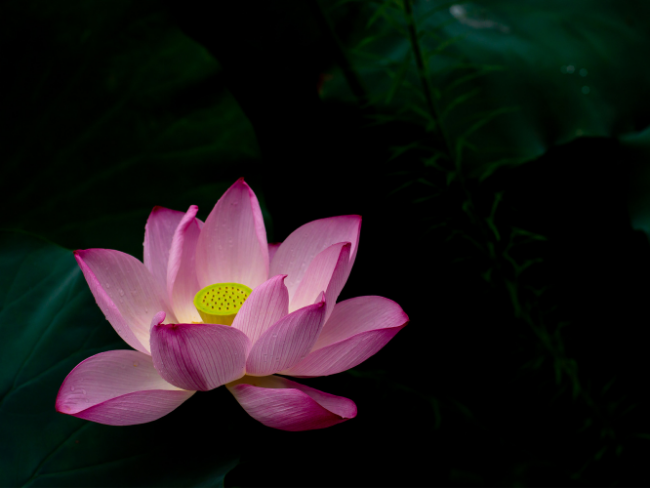
Lotus motifs have adorned Chinese jewelry for millennia, gracing pendants, bracelets, and earrings with more than just delicate beauty. Rooted in deep cultural traditions and spiritual beliefs, these floral designs carry layers of meaning that resonate even today. Let’s explore why lotus jewelry remains a beloved choice for those seeking wearable art with purpose.
A Legacy Spanning Dynasties
The lotus’s significance in Chinese jewelry dates back over 2,000 years, with ties to ethics, spirituality, and royal aesthetics. By the Song Dynasty (960–1279 CE), it had become an icon of elegance and nobility, often crafted into jade pendants and gold hairpins for elites . Its most enduring trait—“growing from murky waters yet remaining pristine”—earned it a reputation for purity and integrity.
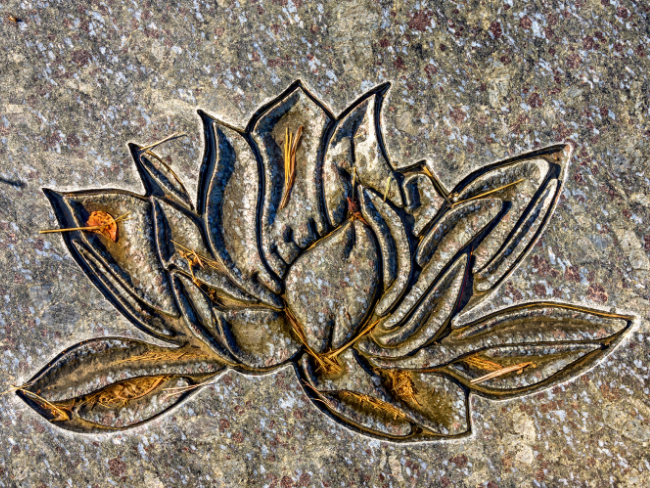
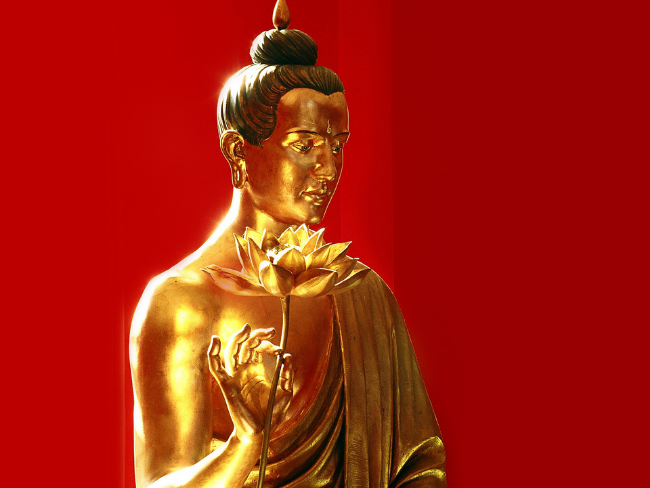
Ancient scholars and officials valued “green lotus” (qing lian) jewelry, as the phrase 谐音 (homophonically) echoes “integrity” in Chinese. Lotus-shaped brooches were gifted to upright officials as a tribute to their moral virtue . For Buddhists, the lotus is sacred: it serves as the seat of Bodhisattvas (like Ksitigarbha and Guanyin), symbolizing spiritual enlightenment. This reverence is visible in temple-inspired jewelry, where lotus bases support divine figures in pendants and amulets .
By the Ming and Qing Dynasties, lotus craftsmanship reached new heights. Imperial artisans used diancui (kingfisher feather inlay) and Hetian jade to create lotus hair ornaments for empresses, while commoners cherished simpler silver lotus pieces for their lucky connotations .
Symbolism in Every Petal & Seed
Every part of the lotus carries distinct meaning, making it a versatile motif for expressing love, hope, and prosperity:
- The Flower: Beyond purity, it represents “qing lian” (清廉,integrity)—a timeless value reflected in vintage jade lotus pendants . Its bloom also symbolizes spiritual awakening, tying back to Buddhist traditions.
- Seed Pods (lian peng): These bulbous structures are a wedding favorite, as “lotus seed” (lian zi) 谐音 “bearing children,” wishing couples fertility . The hollow holes left after removing seeds even symbolize “smooth life paths,” believed to boost career luck .
- Lotus Seeds (lian zi): With their tiny inner cores, seeds signify “mutual affection.” Gifting a lotus seed pendant translates to “my heart is with you”—a romantic gesture rooted in Tang poetry .
Modern Takes: From Wedding Jewelry to Daily Wear
Today’s designers honor tradition while adding contemporary flair, turning lotus symbolism into on-trend pieces:
- “Two Lifetimes of Joy” (Liang Shi Huan): This popular design pairs a lotus bloom with a seed pod, symbolizing love that endures across two lifetimes (flower and pod share the same root) .
- “Three Lifetimes” (San Sheng San Shi): Inspired by Buddhism, overlapping lotus layers represent past, present, and future—perfect for engagement jewelry.
- Everyday Elegance: Affordable 99-silver bracelets are bestsellers on global platforms like HetianYu Mart, marketed as “Eternal Blossom” for their cross-cultural appeal .
Why the Lotus Endures
Lotus jewelry transcends trends because it carries cultural storytelling: a jade lotus pendant might honor ancient integrity, while a modern seed pod bracelet celebrates family. As HetianYu Mart’s Lotus Earrings, this motif bridges tradition and modernity—offering beauty with purpose .
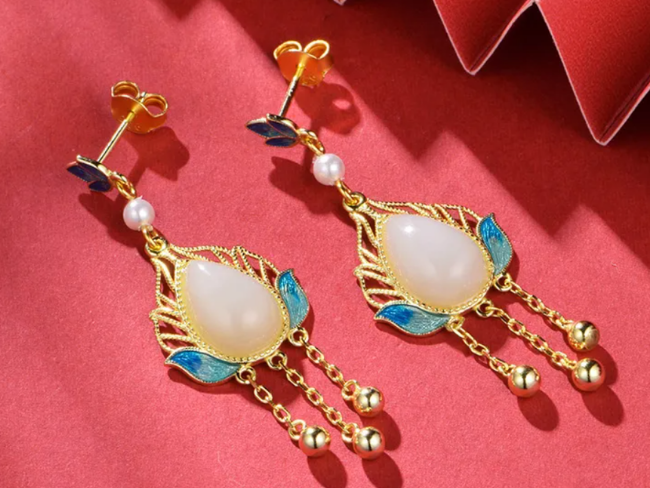
For anyone seeking jewelry with meaning, the lotus is more than a design—it’s a piece of China’s soul worn close to the heart.