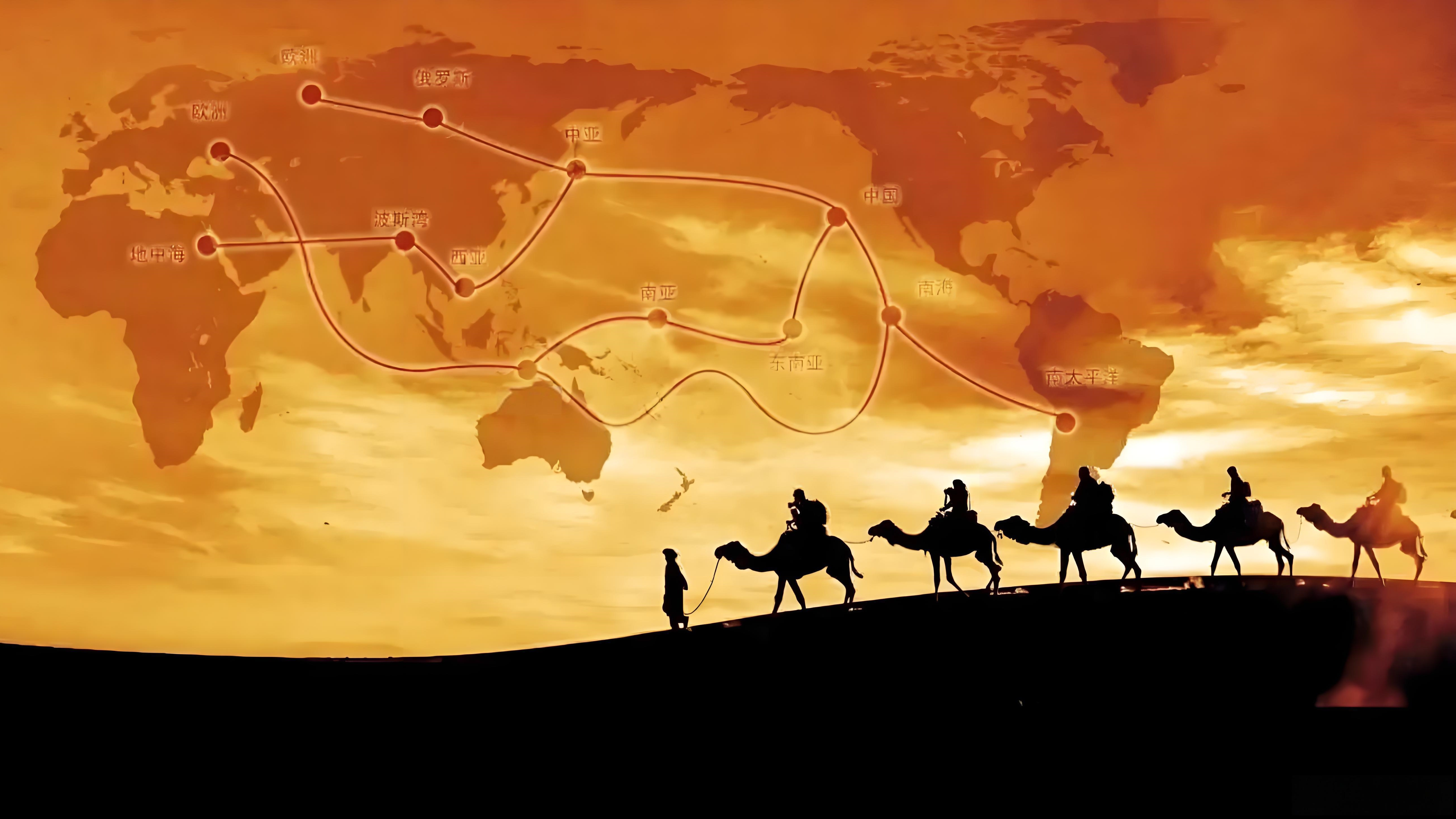
- Hetian Jade – A Gem Woven into the Fabric of the Silk Road
In the vast tapestry of Chinese traditional culture, Hetian Jade stands as more than just a precious stone; it is a living witness to the Ancient Silk Road’s glory. For over 2,000 years, this "stone of heaven" has been intertwined with the world’s most famous trade route, carrying not only material value but also the weight of civilizations. Its luster has illuminated the deserts, oases, and royal courts along the Silk Road, becoming an enduring symbol of cultural exchange.
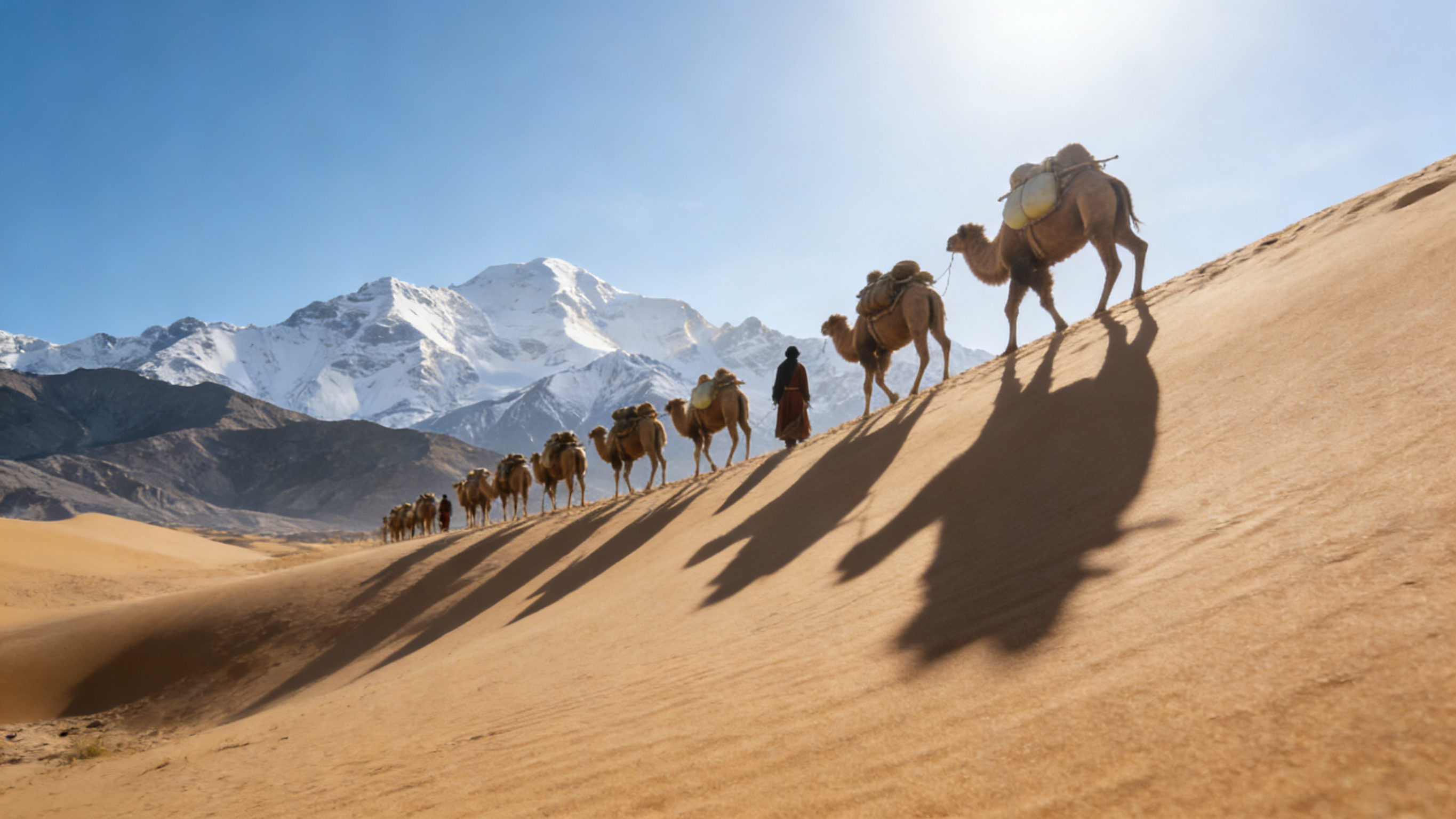
In Chinese, Hetian Jade is called "Hetian Yu," derived from its birthplace – Hetian City in the southern part of Xinjiang Uygur Autonomous Region, historically known as "Khotan." This land, nestled at the northern foot of the Kunlun Mountains, is blessed with unique geographical conditions that nurture the formation of Hetian Jade. Unlike ordinary stones, Hetian Jade is a type of nephrite, formed through millions of years of geological changes – high-pressure metamorphism of serpentinite rocks deep in the earth, followed by erosion by rivers that polish the raw stones into smooth "seed jade" (zi yu) or "mountain jade" (shan yu) mined directly from veins.
- Hetian: The Cradle of Jade on the Silk Road Hub
Long before the official opening of the Silk Road in the Han Dynasty (202 BCE – 220 CE), Hetian had already been a source of jade. Archaeological findings show that as early as the Neolithic Age (around 5000 – 3000 BCE), primitive tribes in the Tarim Basin were using Hetian Jade to make simple tools and ornaments. However, it was not until the Silk Road connected the East and West that Hetian Jade transcended its local significance and became a global cultural icon.
Hetian’s strategic location made this possible. As a key node on the Southern Silk Road, it lay at the crossroads of Central Asian nomadic routes and Chinese imperial trade networks. Merchants, envoys, and monks passing through Hetian were captivated by the jade’s warm texture and translucent luster. Soon, Hetian Jade became a must-have commodity on the Silk Road – as valuable as silk, spices, and gold. The Han Dynasty’s conquest of the Western Regions further solidified the jade trade: imperial envoys led caravans to Hetian, exchanging silk and grain for high-quality jade, which was then transported back to the imperial capital Chang’an (modern Xi’an).
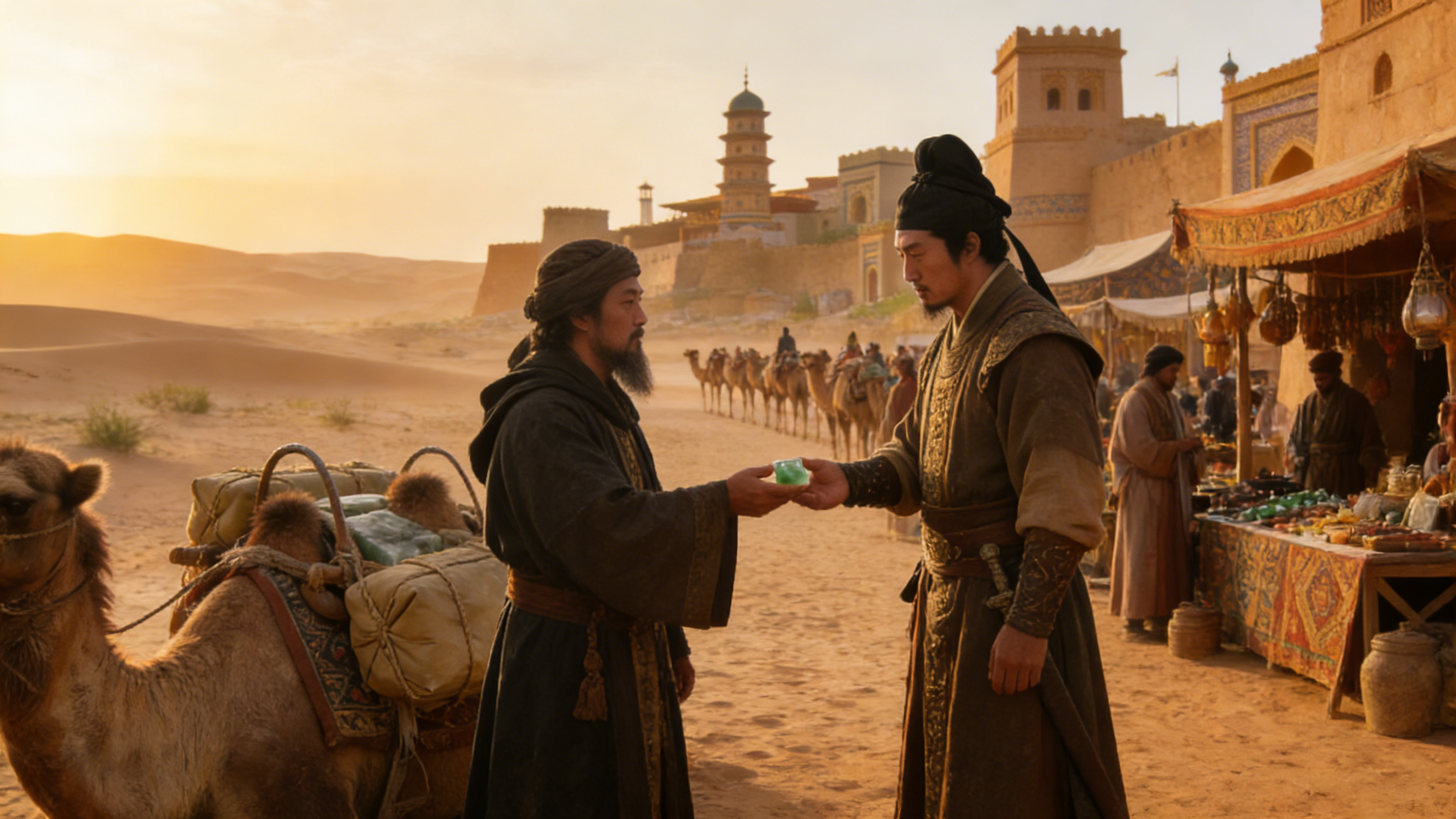
The transportation of Hetian Jade along the Silk Road was no easy feat. The journey from Hetian to Chang’an spanned over 3,000 kilometers, crossing treacherous deserts, towering mountains, and harsh grasslands. Caravans relied on camels to carry the heavy jade stones, enduring extreme temperatures, water shortages, and the risk of bandit attacks. Each piece of Hetian Jade that arrived in the Central Plains bore the marks of this arduous journey – a testament to its rarity and value. It is said that in ancient times, a good quality Hetian Jade seed could be exchanged for a herd of sheep, and imperial-grade jade was often used as a tribute to seal alliances between kingdoms.
- Archaeological Evidence: Unveiling the Ancient Connection
Archaeology has provided irrefutable proof of the link between Hetian Jade and the Silk Road. In the famous Mawangdui Han Tomb in Changsha (Hunan Province), dating back to the early Western Han Dynasty, archaeologists discovered a piece of Hetian Jade bi (a circular jade artifact with a hole in the center) – its texture and mineral composition matching exactly the jade from Hetian’s Yurungkash River. Similarly, in the Mancheng Han Tomb (Hebei Province), the burial place of Prince Liu Sheng of Zhongshan, a set of Hetian Jade burial suits sewn with gold threads was unearthed, showcasing the imperial family’s obsession with Hetian Jade.
These discoveries confirm that as early as the 2nd century BCE, Hetian Jade was being transported thousands of kilometers along the Silk Road to the Central Plains. Historical records further supplement this narrative. The Records of the Grand Historian (Shiji) by Sima Qian mentions that "the land of Khotan produces beautiful jade," while the Book of Han (Hanshu) notes that jade from Khotan was a key tribute to the Han imperial court. These texts, combined with archaeological relics, paint a vivid picture of the jade trade’s prosperity on the Silk Road.
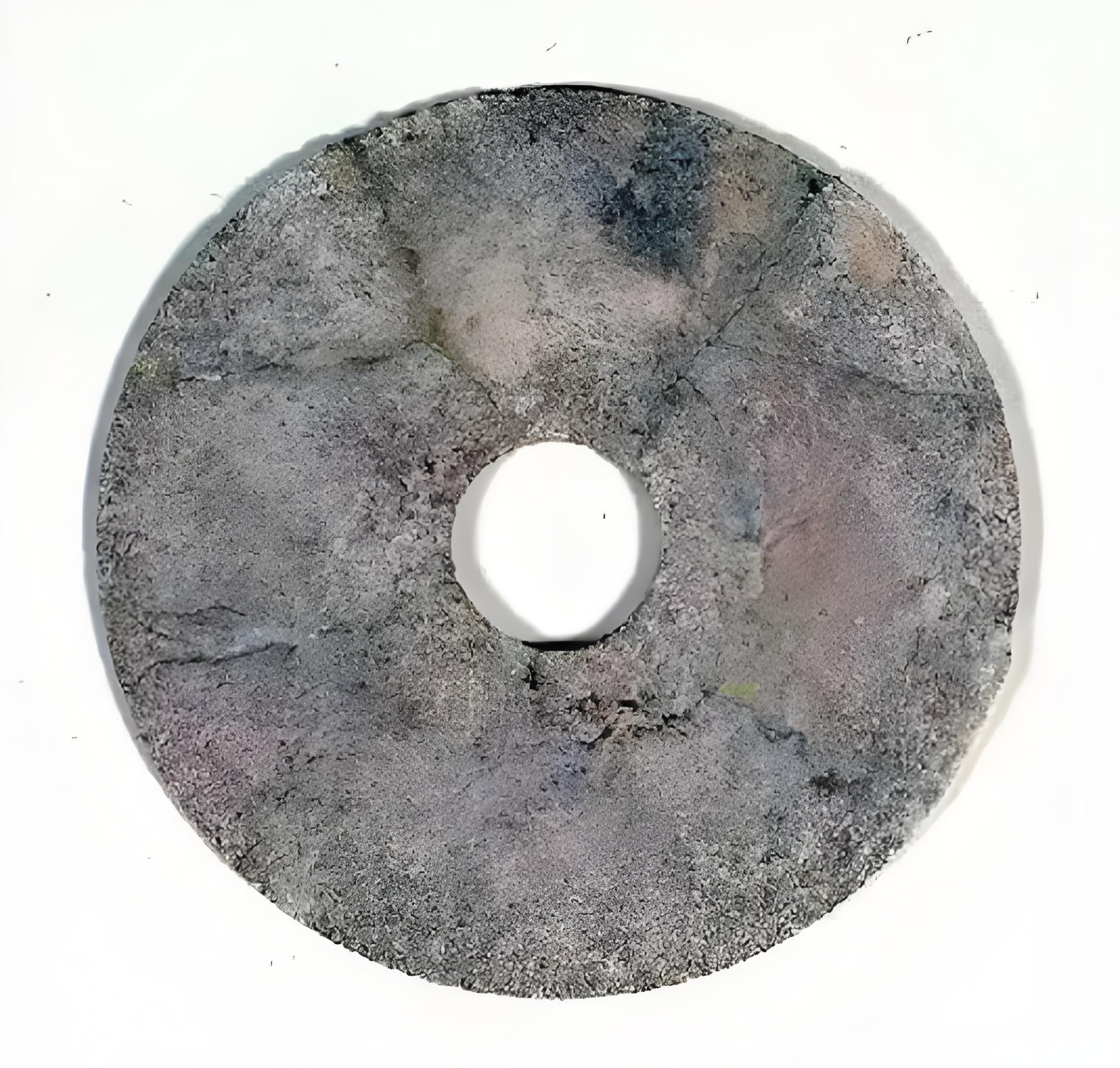
Beyond the Central Plains, Hetian Jade also spread westward along the Silk Road to Central Asia, Persia, and even the Roman Empire. In ancient Persian records, there are descriptions of "green gems from the East" that were highly prized by nobles, which scholars believe refer to Hetian Jade. This westward spread not only enriched the material culture of Western civilizations but also introduced Chinese jade philosophy – the belief that jade embodies virtue, purity, and harmony – to the world.
- Cultural Legacy: Hetian Jade as a Symbol of Silk Road Exchange
The connection between Hetian Jade and the Silk Road is more than just a trade story; it is a symbol of cultural integration. Along the Silk Road, the craftsmanship of Hetian Jade carving evolved as it absorbed influences from different cultures. For example, during the Tang Dynasty (618 – 907 CE), a golden age of Silk Road exchange, Hetian Jade carvings began to incorporate Central Asian motifs such as grapevines and camels, blending with traditional Chinese patterns like dragons and phoenixes. This fusion created a unique artistic style that reflected the openness and inclusiveness of the era.
Moreover, Hetian Jade became a medium for diplomatic relations. Emperors often gifted exquisite Hetian Jade artifacts to foreign envoys, symbolizing friendship and respect. For instance, during the Tang Dynasty, Emperor Taizong sent Hetian Jade seals to allied tribes in Central Asia, solidifying political alliances through this precious gem. In folk culture, Hetian Jade was regarded as a token of good fortune and protection, with travelers on the Silk Road carrying jade pendants to pray for safe journeys.
Today, the legacy of Hetian Jade and the Silk Road endures. The ancient trade route has been revitalized as part of the Belt and Road Initiative, and Hetian Jade remains a symbol of cultural exchange between East and West. Modern jade carvers continue to honor traditional techniques while innovating, ensuring that this ancient gemstone remains relevant in contemporary culture. Whether displayed in museums, worn as jewelry, or collected as art, Hetian Jade carries the memories of the Silk Road – a reminder of the shared history and mutual understanding between civilizations.