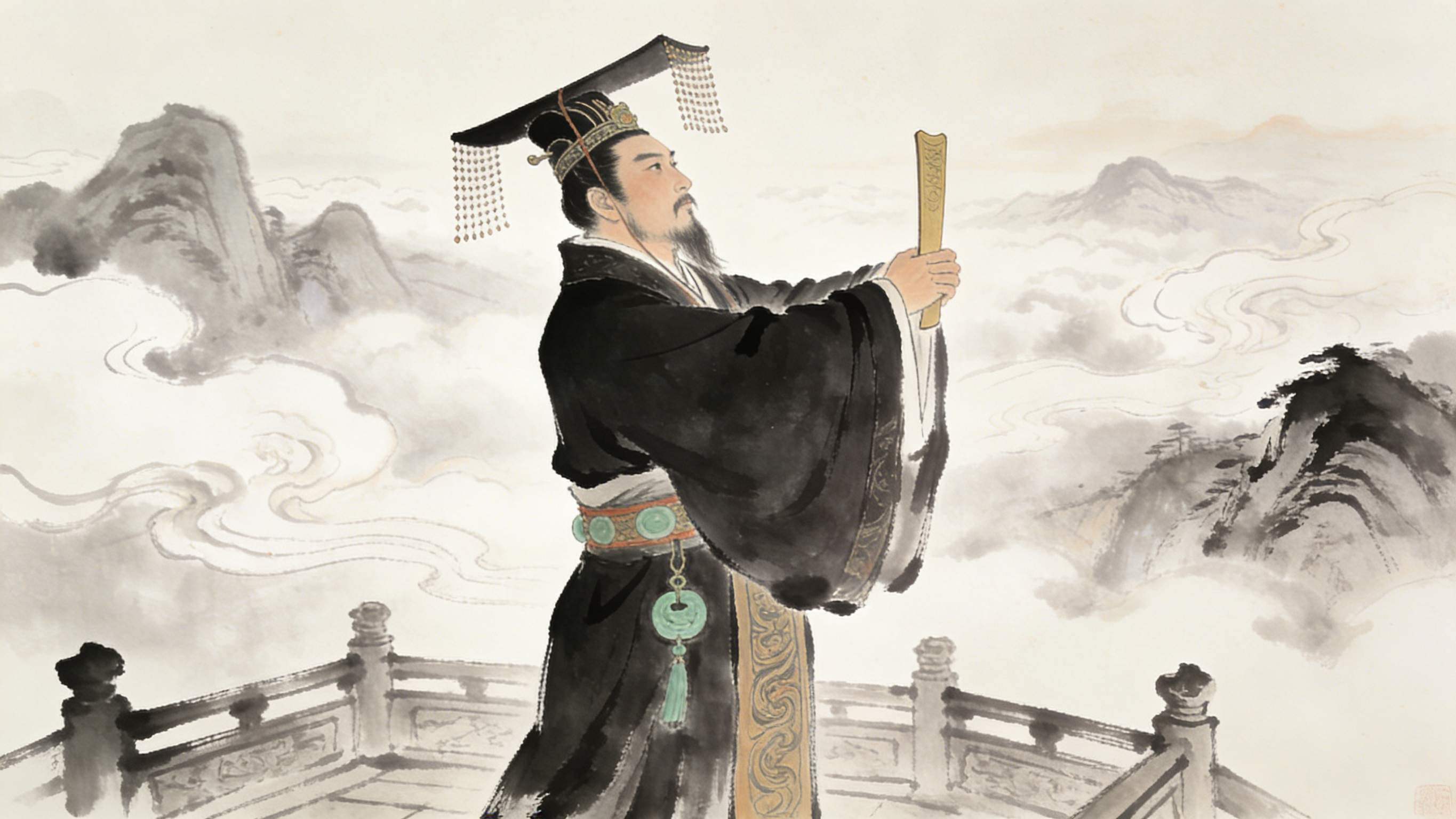
In the thousands of years of Chinese civilization, Hetian jade has never been just a beautiful stone. It embodies the aesthetic pursuits and spiritual beliefs of the ancients, and is more engraved with a strict social hierarchical order. The saying that "a gentleman compares virtue to jade" has been passed down for thousands of years. Beyond the comparison of virtue, Hetian jade has become an important benchmark for dividing social classes and highlighting identities. In ancient society, who could own Hetian jade and what kind of Hetian jade they could own had clear rules that allowed no overstepping.
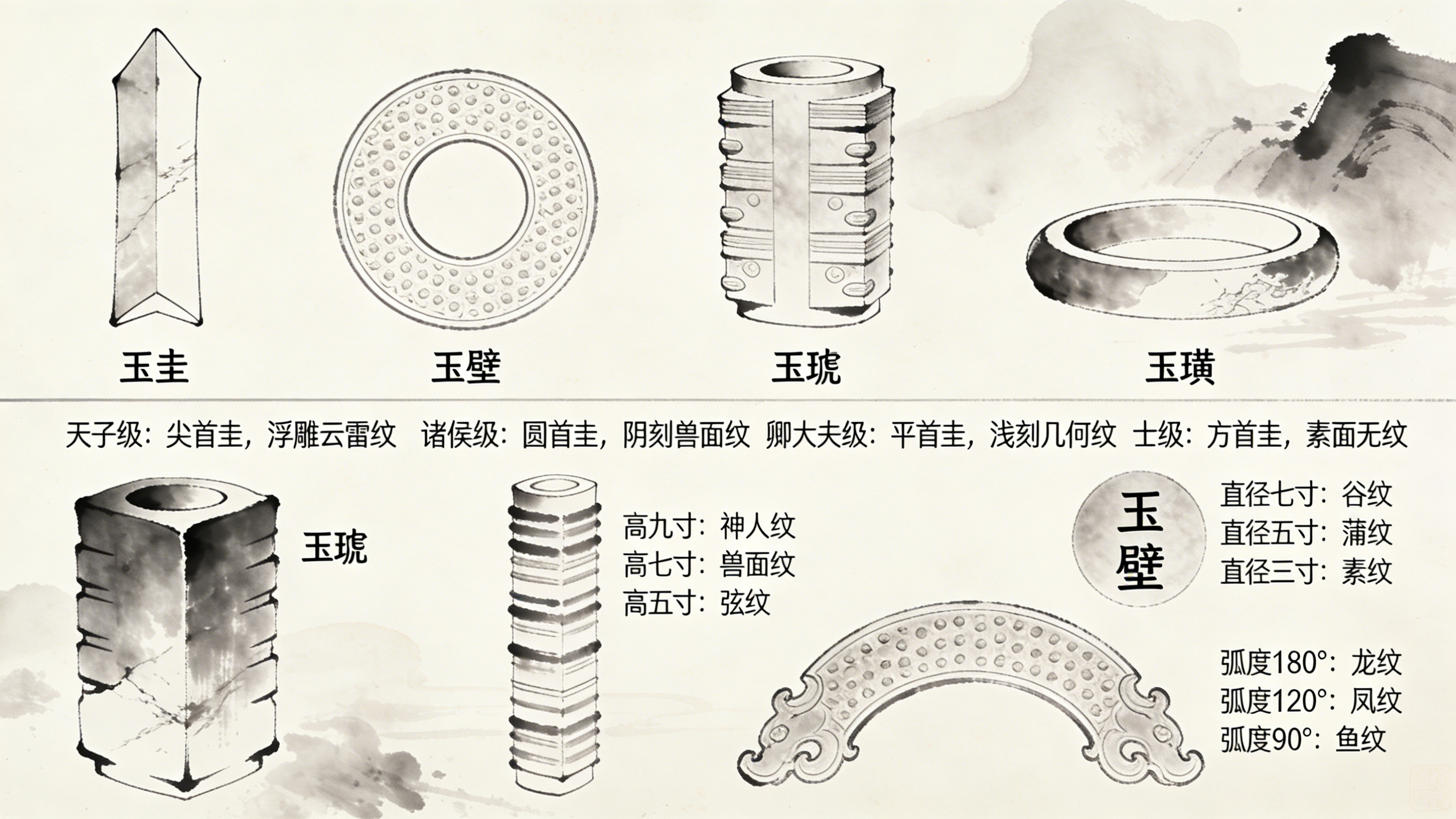
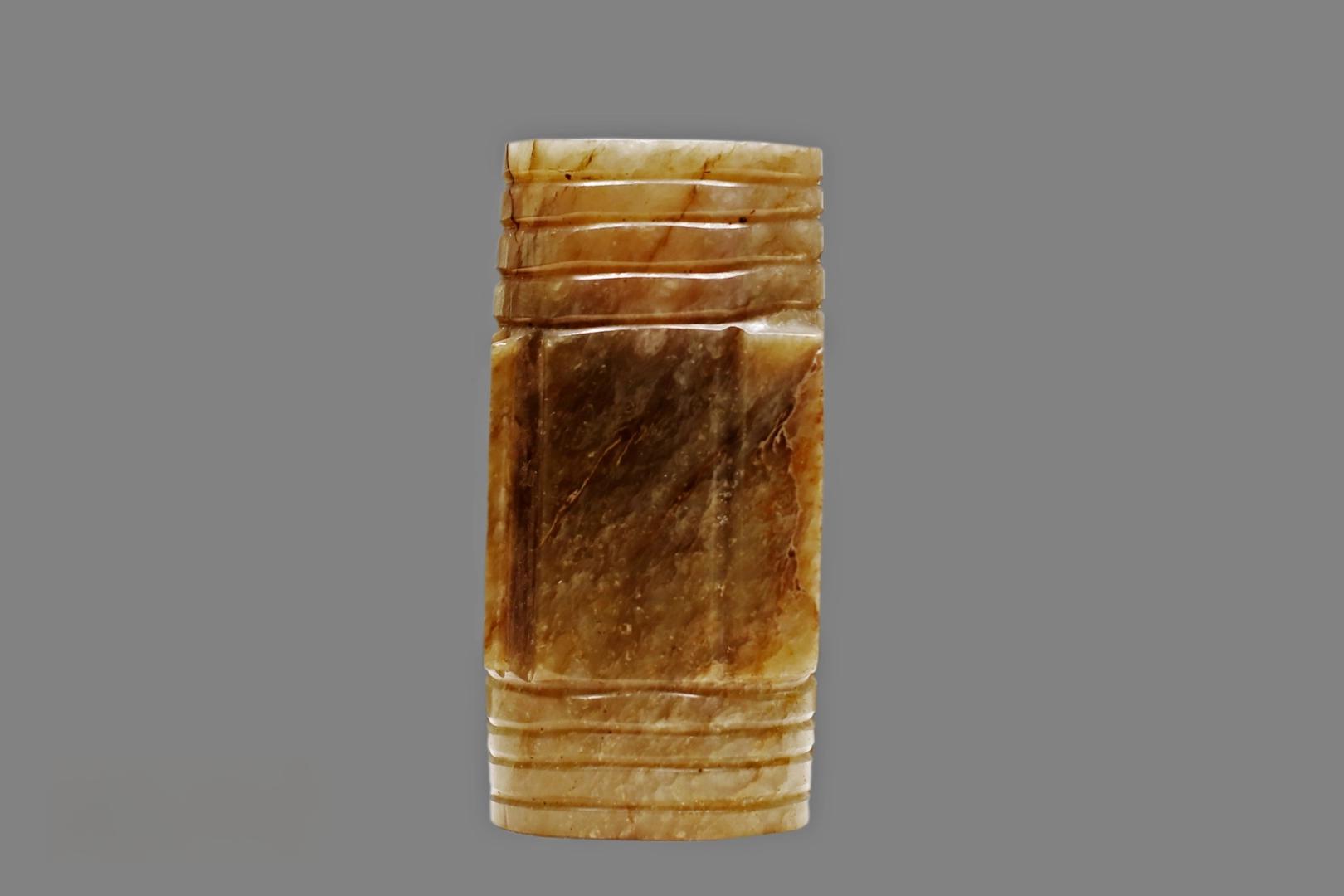
The royal family was the highest-level owner and the core controller of Hetian jade. In ancient times, Hetian jade was regarded as the carrier of "national treasures" and was closely linked to imperial power. Since Qin Shi Huang unified the six kingdoms, the imperial jade seal made of Hetian jade has become a symbol of the legitimacy of imperial power. The "Imperial Seal of the Realm" was carved from Lantian jade (a category of generalized Hetian jade) with eight characters "Mandated by Heaven, May It Last Forever". Since then, emperors of all dynasties have regarded it as a treasure. Owning the Imperial Seal of the Realm meant having the legitimate right to rule; once the seal was lost, it would be regarded as a sign that the dynasty's destiny was coming to an end. Besides the imperial seal, the use of Hetian jade in the royal family was everywhere. The emperor's jade crown, jade belt, jade tablet, and the empress's jade hairpin and jade pendant were all carved from top-grade Hetian seed jade. In important ceremonies such as sacrificing to heaven, earth, ancestral temples, ritual vessels made of Hetian jade were indispensable. Taking the Zhou Li (Rites of Zhou) as an example, the Son of Heaven would use ritual vessels such as jade bi (circular jade disc), jade cong (cylindrical jade artifact), and jade gui (jade tablet) during sacrifices. The size, patterns, and materials of these jades had strict regulations, which were a direct reflection of the supreme imperial power.
Following the royal family, the aristocracy and bureaucratic class were the ones who could legally own Hetian jade. Under the ancient hierarchical system, the right to use Hetian jade for nobles and officials was directly linked to their official ranks. This regulation was particularly strict in the Tang and Song dynasties. The Tang Dynasty laws clearly recorded that officials of different ranks had strict distinctions in the number and texture of jade belt plaques they could wear. Only officials of the third rank and above could use Hetian jade belt plaques, with the number of plaques up to thirteen; while officials below the sixth rank could only use belt plaques made of copper, iron and other materials, and were not allowed to use jade wares without permission. This regulation made Hetian jade a "pass" for official status. In addition to jade belts, the aristocracy also wore Hetian jade pendant sets. When walking, the jade pendants collided to make a crisp sound, known as the "sound of jade pendants". The ancients believed that this was a sign that a gentleman's words and deeds were measured. In the tombs of the aristocracy, Hetian jade products were common burial objects. In the tombs of the Shang Dynasty nobles unearthed in Yin Ruins, Anyang, Henan, there are a large number of Hetian jade artifacts such as jade ge (dagger-axe), jade zhang (tablet-shaped jade), and jade ornaments. These jades are not only symbols of wealth, but also a direct reflection of the tomb owner's status. It is worth mentioning that there were also clear restrictions on the patterns of Hetian jade of the aristocracy. Patterns symbolizing imperial power such as dragon and phoenix patterns could only be used by the royal family, while the jade patterns of nobles and officials were mostly cloud patterns, water patterns, flower and bird patterns, to distinguish the hierarchical difference from the royal family.
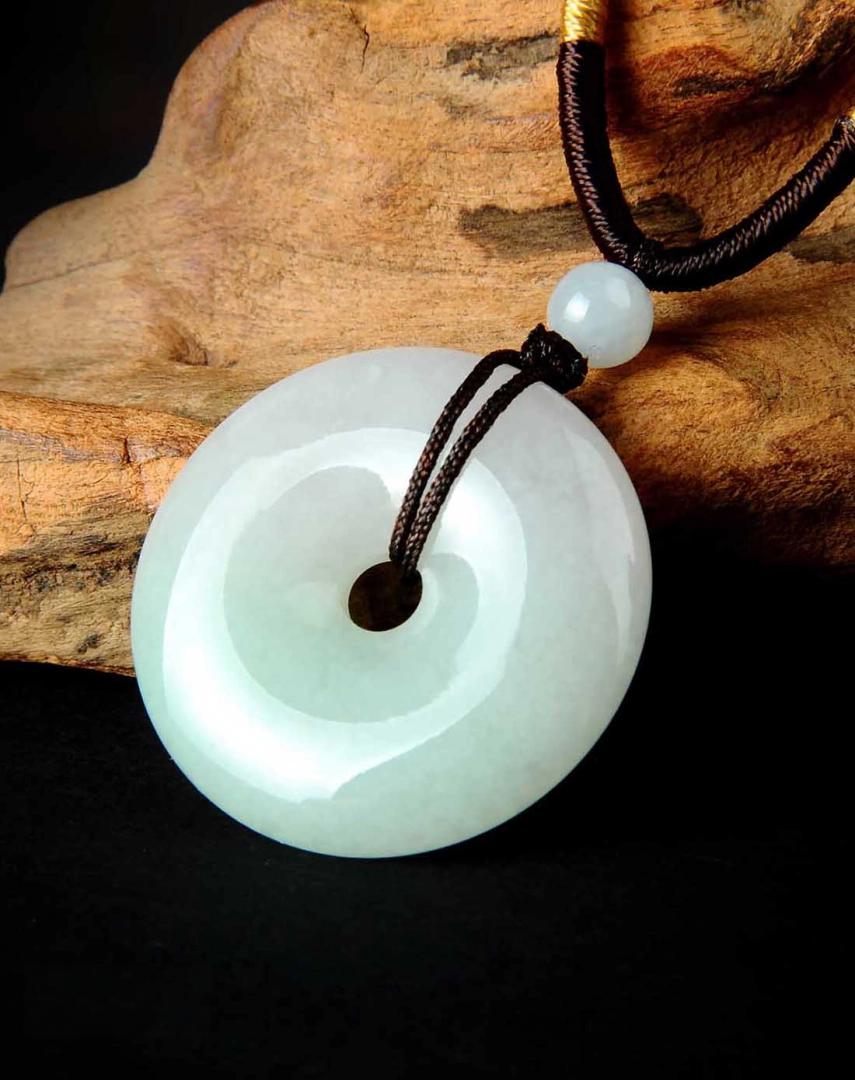
For ordinary civilians, Hetian jade was an unattainable luxury and even a taboo item for a long time in ancient times. During the pre-Qin period, ordinary people not only had no financial means to buy Hetian jade, but also had no qualification to own it. The laws at that time stipulated that "commoners have no jade". Once a commoner wore jade without permission, they would be regarded as overstepping the hierarchy and be severely punished. With the development of history, this strict restriction gradually loosened. In the Ming and Qing dynasties, with the advancement of Hetian jade mining technology and the development of commodity economy, the circulation range of Hetian jade gradually expanded. Some wealthy merchants and craftsmen began to be able to buy some small Hetian jade products, such as jade peace buckles, jade hairpins, and jade bracelets. However, the Hetian jade of ordinary civilians had obvious limitations in material and shape. They could only buy relatively ordinary Hetian mountain jade, while the top-grade Hetian seed jade was still monopolized by the royal family and aristocracy; the shapes of their jade wares were mostly simple ornaments, and they could not use complex ritual vessel shapes and royal exclusive patterns. Even so, owning a piece of Hetian jade was still a luxury in the hearts of ancient civilians. This small piece of jade not only carried their longing for a better life, but also entrusted their longing for a higher social class.
From the exclusive ritual vessels of the royal family to the identity symbols of the aristocracy, and then to the coveted items of civilians, the circulation track of Hetian jade in ancient society clearly reflects the social hierarchical system at that time. This warm and delicate jade, after thousands of years of trials and tribulations, has not only witnessed the changes of dynasties and the evolution of times, but also carried the ancients' awe and adherence to the hierarchical order. Today, Hetian jade has long shed the shackles of hierarchy and become a treasure that everyone can appreciate and own. But when we gaze at this beautiful jade, we can still understand the strict order of ancient society an