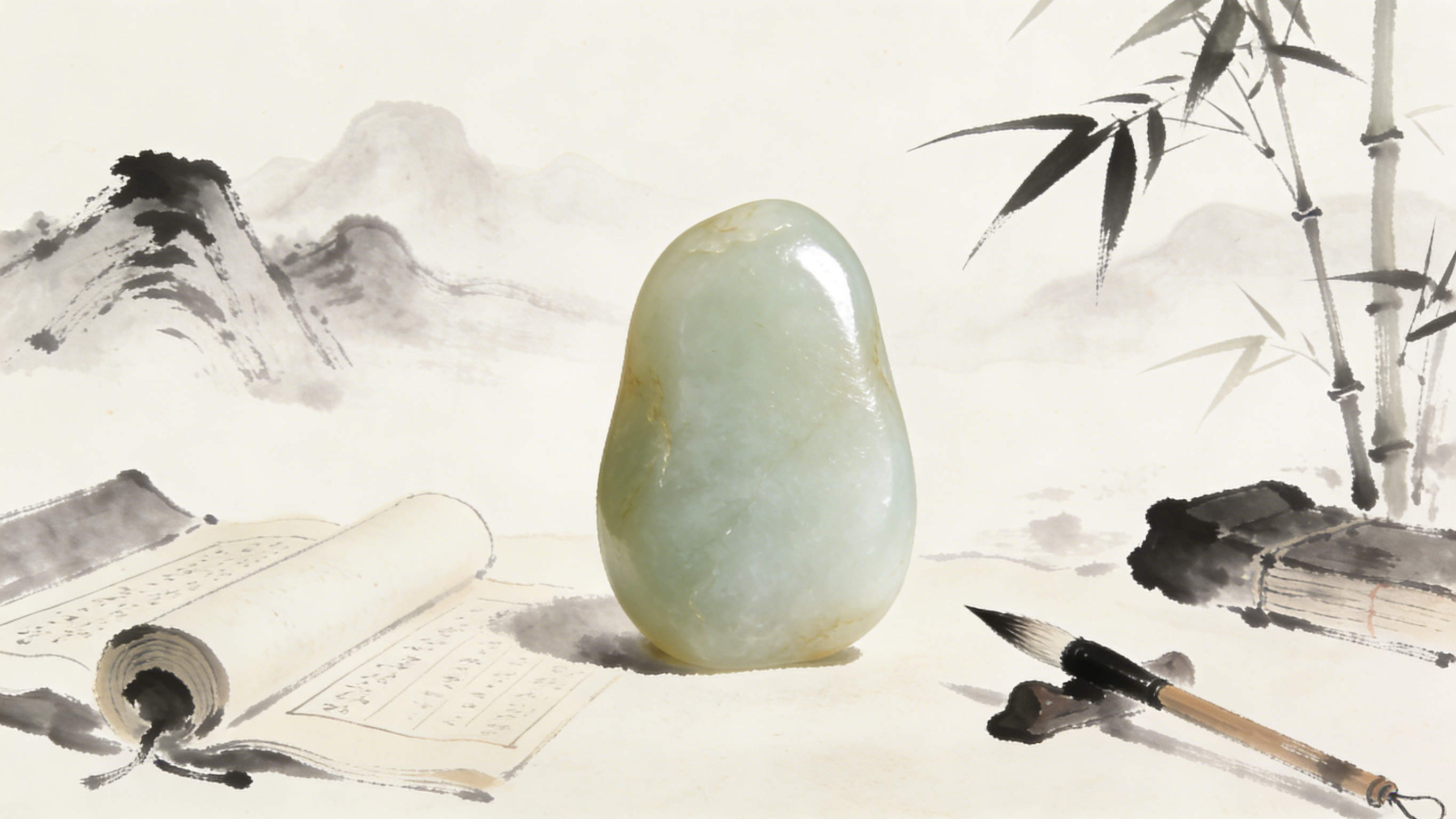
In the 5,000-year-long river of Chinese civilization, jade has always been a cultural totem transcending time and space. Hetian jade, with its unique moist texture and profound cultural heritage, has become the most dazzling pearl in jade culture and been revered as the "Gentleman's Stone" by literati and refined scholars of all dynasties. It is not only a treasure endowed by nature, but also, due to its deep integration with the Confucian thought of "a gentleman compares his virtues to jade", has become a material symbol of the integrity of literati, carrying the Chinese people's eternal pursuit of noble character.
Kunlun Origin: The Natural Endowment of Heavenly and Earthly Essence
Hetian jade is produced in the Hotan area at the northern foot of the Kunlun Mountains, known as "Jade of the Kunlun Mountains" in ancient times. It entered the Central Plains as early as the Neolithic Age and became a cultural link connecting the Western Regions and the Central Plains. "Mu Tianzi Zhuan" records that King Mu of Zhou traveled west to climb the Kunlun Mountains and praised it as "the abode of precious jade". Li Si's mention of "obtaining the jade of the Kunlun Mountains" when offering advice to Qin Shi Huang in "Shi Ji" further confirms that Hetian jade had become a royal treasure as early as the pre-Qin period. Hetian jade has a moist and delicate texture, warm to the touch, not as cold and hard as metal and stone, nor as ostentatious as jewelry. Its color is most valued for white, and suet jade, in particular, is as compact as suet and as moist as condensed fat, becoming the top grade of jade; sapphire is deep and calm, jasper is bright and moist, each with its own charm but all revealing restrained elegance. This natural endowment is exactly in line with the character of "a modest gentleman is as moist as jade" pursued by literati - not ostentatious, with inner radiance, showing the true essence in plainness.

The formation of Hetian jade has experienced hundreds of millions of years of geological changes, absorbing the aura of the Kunlun Mountains and the essence of the snow regions. This preciousness forged through hardships also symbolizes the growth process of literati who accumulate experience and temper themselves through the vicissitudes of life. In ancient times, jade collectors had to travel through mountains and rivers, cross Gobi deserts to find beautiful jade deep in the Kunlun Mountains. The hard-won nature made Hetian jade endowed with the spiritual connotation of "remaining firm and unyielding despite thousands of trials and tribulations", becoming a spiritual portrayal of literati who adhere to their original aspirations and are indomitable in the face of difficulties.
The Five Virtues of Jade: A Material Symbol of Confucian Thought
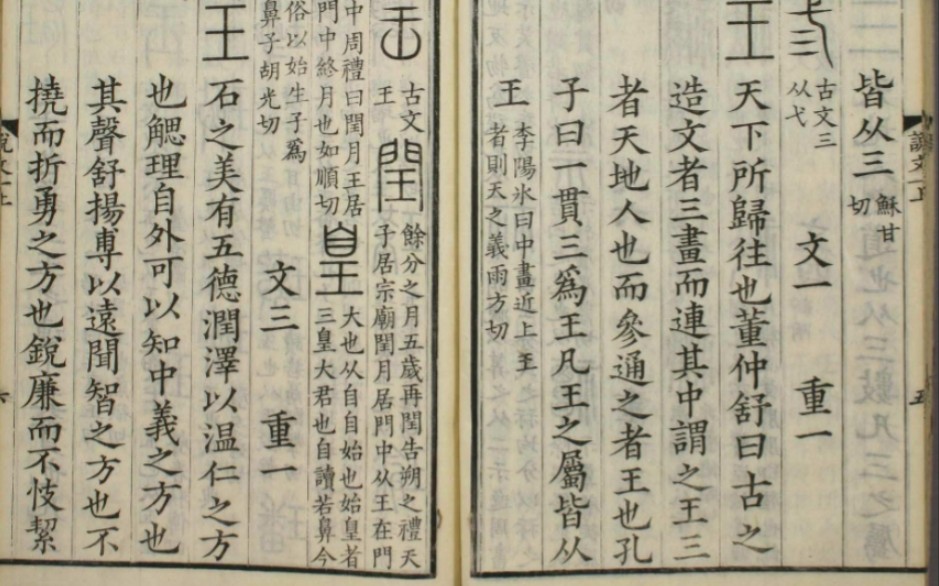
"A gentleman compares his virtues to jade" is the core thought of Chinese jade culture. The "Five Virtues of Jade" proposed by Xu Shen of the Eastern Han Dynasty in "Shuo Wen Jie Zi" perfectly integrates the natural attributes of Hetian jade with the gentlemanly virtues of Confucianism, becoming the criterion for literati of all dynasties to cultivate themselves and establish morality. "Moist and warm, it is the embodiment of benevolence" - the moist texture of Hetian jade symbolizes the benevolent heart of a gentleman, who treats others gently and generously with good intentions; "Its veins are visible from the outside, revealing the inside, it is the embodiment of righteousness" - the transparent veins of Hetian jade, from which the inside can be seen from the outside, symbolize the loyalty and openness of a gentleman, who is consistent in words and deeds; "Its sound is clear and melodious, spreading far and wide, it is the embodiment of wisdom" - when Hetian jade is struck, its sound is clear and melodious, spreading far, symbolizing the wisdom and insight of a gentleman, who speaks appropriately with lofty opinions; "Unyielding and breaking only when forced, it is the embodiment of courage" - Hetian jade has a hard texture, preferring to break rather than bend, symbolizing the courage and resolution of a gentleman, who adheres to morality, preferring to be a broken jade rather than a complete tile; "Sharp but not malicious, it is the embodiment of purity" - even if Hetian jade breaks, its edges are sharp but not harmful, symbolizing the purity of a gentleman, who has noble conduct and does not compete with others for superiority.
Confucianism is the core of traditional Chinese culture, and Hetian jade, as the carrier of "jade virtues", has become a spiritual sustenance for literati to practice Confucianism. From Confucius' proposal of jade having "eleven virtues" to Xu Shen's "five virtues", the connotation of jade virtues has been continuously condensed, but it has always revolved around the self-cultivation of a gentleman. Literati of all dynasties encouraged themselves with jade virtues, and wearing jade became a standard for literati. "A gentleman never takes off his jade without reason". The moistness of the jade pendant and the spirit of jade virtues always remind literati to adhere to their character and cultivate their moral character. Whether in high positions in the court or living in seclusion in the rivers and lakes, literati all take jade virtues as their criterion, treating others with kindness and modesty, adhering to morality and preferring to break rather than bend. This spirit is integrated with the character of Hetian jade, becoming an important part of the integrity of literati.
Jade in the Study: The Spiritual Imprint of Literati's Life
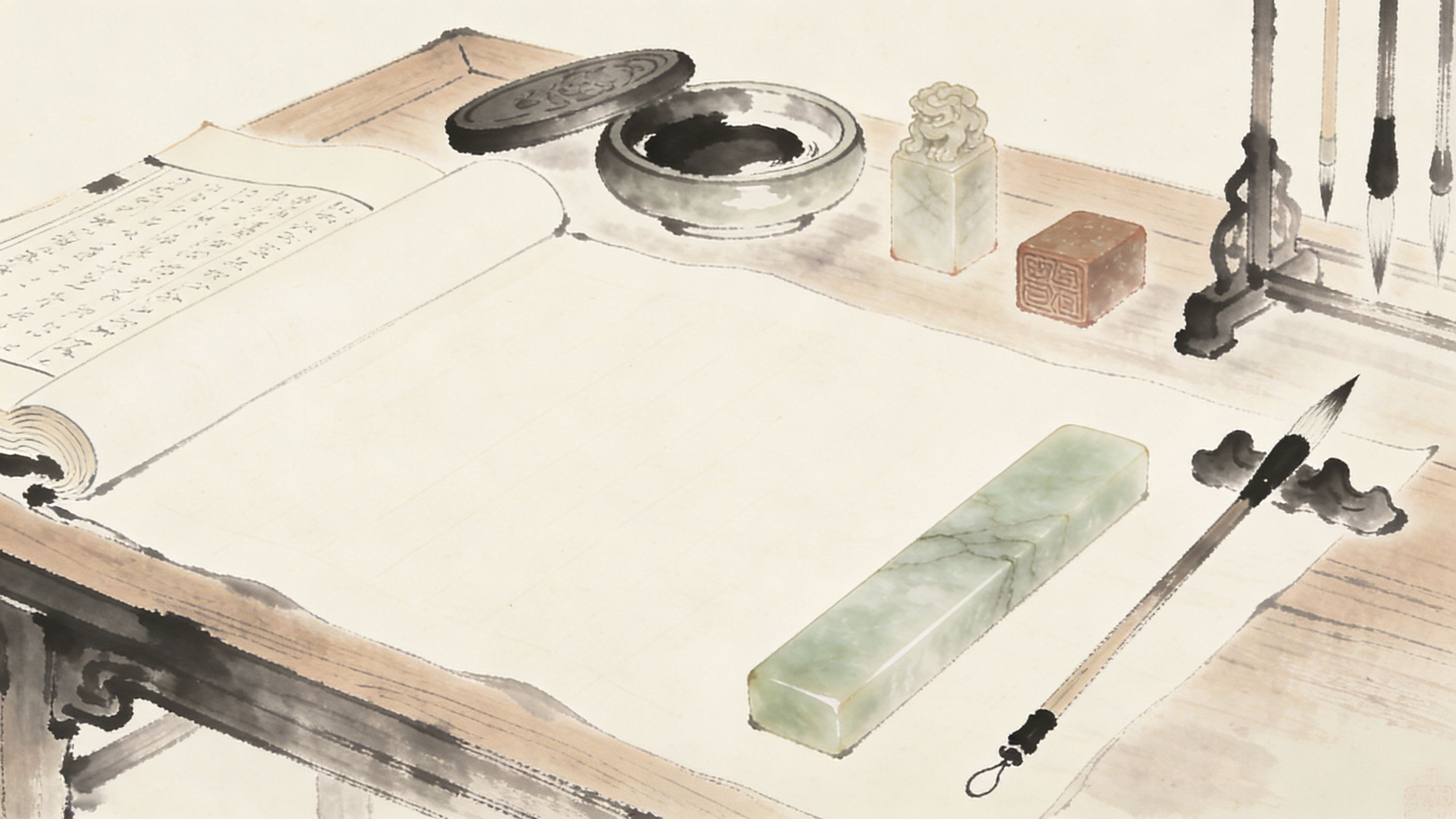
Hetian jade is not only a symbol of literati's character, but also deeply integrated into their daily life, becoming an important material for elegant study utensils. Among the brush, ink, paper and inkstone, it is engraved with the spiritual pursuit of literati. A paperweight made of Hetian jade, pressed on the scrolls, is moist and calm, making literati calm and focused when writing at their desks; a brush washer made of jade, clear and elegant, fully shows the elegant feelings of literati when holding water and grinding ink; a seal made of jade, with hard texture and clear seal characters, becomes a symbol of literati's identity and character. A Hetian jade seal is not only a study utensil, but also a spiritual portrayal of literati adhering to their original aspirations and keeping their promises.
Literati of all dynasties also often took Hetian jade as the theme, splashing ink and writing poems, integrating their love for jade and pursuit of gentlemanly character into words. Qu Yuan chanted in "She Jiang" "Climb the Kunlun Mountains to eat jade flowers, live as long as heaven and earth, and shine as bright as the sun and moon", comparing himself to the beautiful jade of the Kunlun Mountains, expressing his feelings of adhering to noble character and not conforming to the secular world; Li Bai mentioned jade many times in his poems, using the moistness of jade to symbolize the character of friends, showing the mutual admiration between them; in "A Dream of Red Mansions", a psychic jade runs through the whole book, closely connecting the spirit of jade with the character of the figures, becoming a classic work of jade culture integrated into literature. These poems and essays have enriched the cultural connotation of Hetian jade and deepened the connection between jade and the integrity of literati.
Millennium Heritage: The Everlasting Cultural Spirit
From the royal ritual vessels of the pre-Qin period, to the jade worn by literati in the Han and Tang dynasties, and then to the elegant study utensils of the Song, Yuan, Ming and Qing dynasties, Hetian jade has spanned thousands of years and has always been an indispensable symbol in traditional Chinese culture. It is not only a kind of jade, but also the inheritance of a cultural spirit, carrying the Chinese people's yearning for gentlemanly character and the value pursuit of being gentle, modest, and adhering to morality. In ancient times, Hetian jade was a cultural link connecting the Western Regions and the Central Plains, and the "Jade Road", earlier than the Silk Road, became a pioneer of cultural exchanges between China and the West; in modern times, Hetian jade is still an important carrier of Chinese culture, and its spirit of jade virtues has been continuously inherited and carried forward, becoming a spiritual guide for contemporary people to cultivate themselves and establish morality.
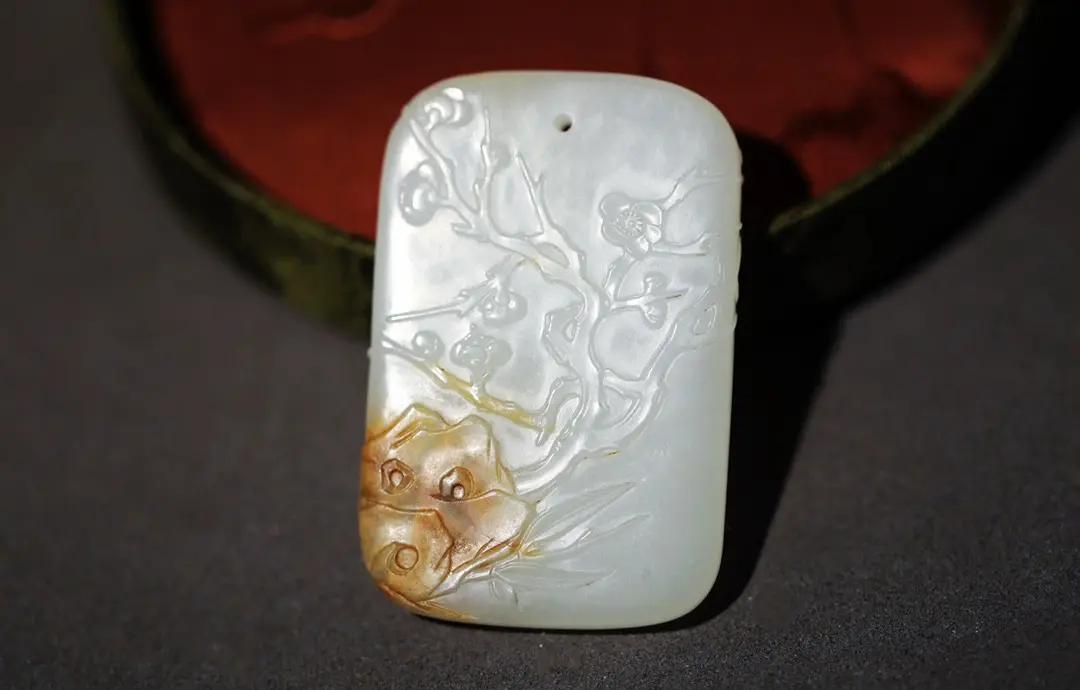
"Gold has a price, but jade is priceless". The value of Hetian jade lies not only in its rare natural endowment, but also in its profound cultural connotation. It is the essence of heaven and earth, the moralization of Confucianism, the integrity of literati, and the everlasting cultural spirit of the Chinese nation. For thousands of years, Hetian jade has remained as moist as ever, just like the character adhered to by literati, tempered by the years but always with inner radiance, becoming an ever-lasting scenery in traditional Chinese culture.