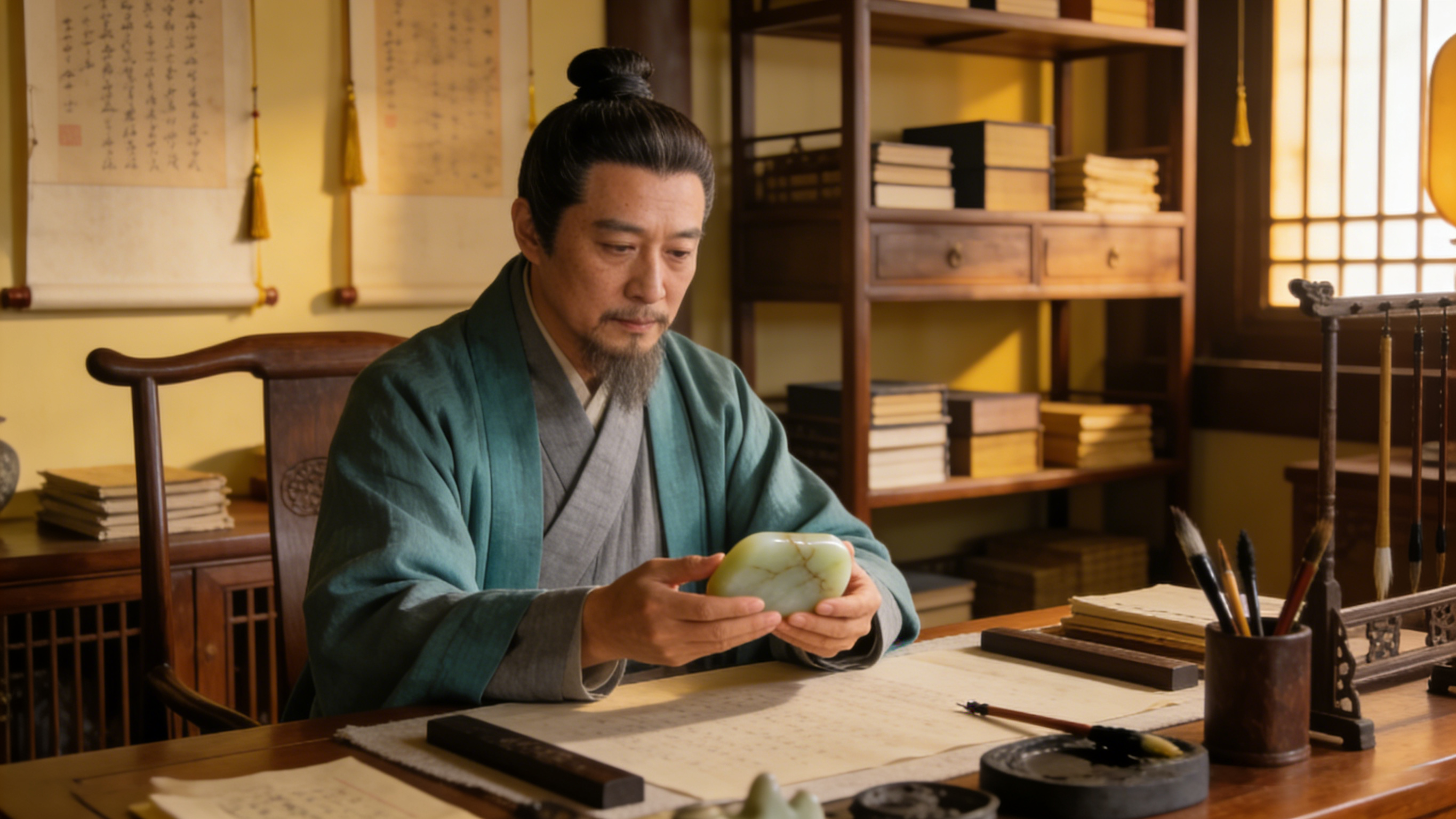
Hetian jade, produced in Hotan, Xinjiang, is known as the "King of Nephrite" for its moist and delicate texture and lustrous, restrained luster. It has walked into the long river of Chinese civilization since the Shang and Zhou dynasties. Over thousands of years, it has long transcended the instrumental nature of jade itself and become an important symbol of traditional Chinese culture. In the ancient collection circle, Hetian jade was even the favorite of literati and refined scholars. The act of collecting Hetian jade has evolved from a simple collection of rare objects into a unique pastime of the literati class, and also bears their ultimate pursuit of the spiritual world and cultural core.
 、
、
- The moist characteristics of Hetian jade align with the literati's aesthetic and spiritual core
Literati and refined scholars have always advocated the state of "as moist as jade", which is not only a description of external temperament, but also a pursuit of internal virtue. The natural characteristics of Hetian jade perfectly align with this pursuit, making it a natural choice for literati collection.
- Moist texture, echoing the literati's way of life: Hetian jade has a delicate and oily texture, feeling like congealed fat to the touch, without the sharpness of gemstones, just like the life philosophy of "a modest gentleman, moist and benevolent" advocated by literati. Ancient literati mostly pursued the character of restraint, modesty and calmness, and the unassuming and unshowy characteristics of Hetian jade are the material embodiment of this character. In the process of appreciating jade, literati can see their own spiritual pursuit.
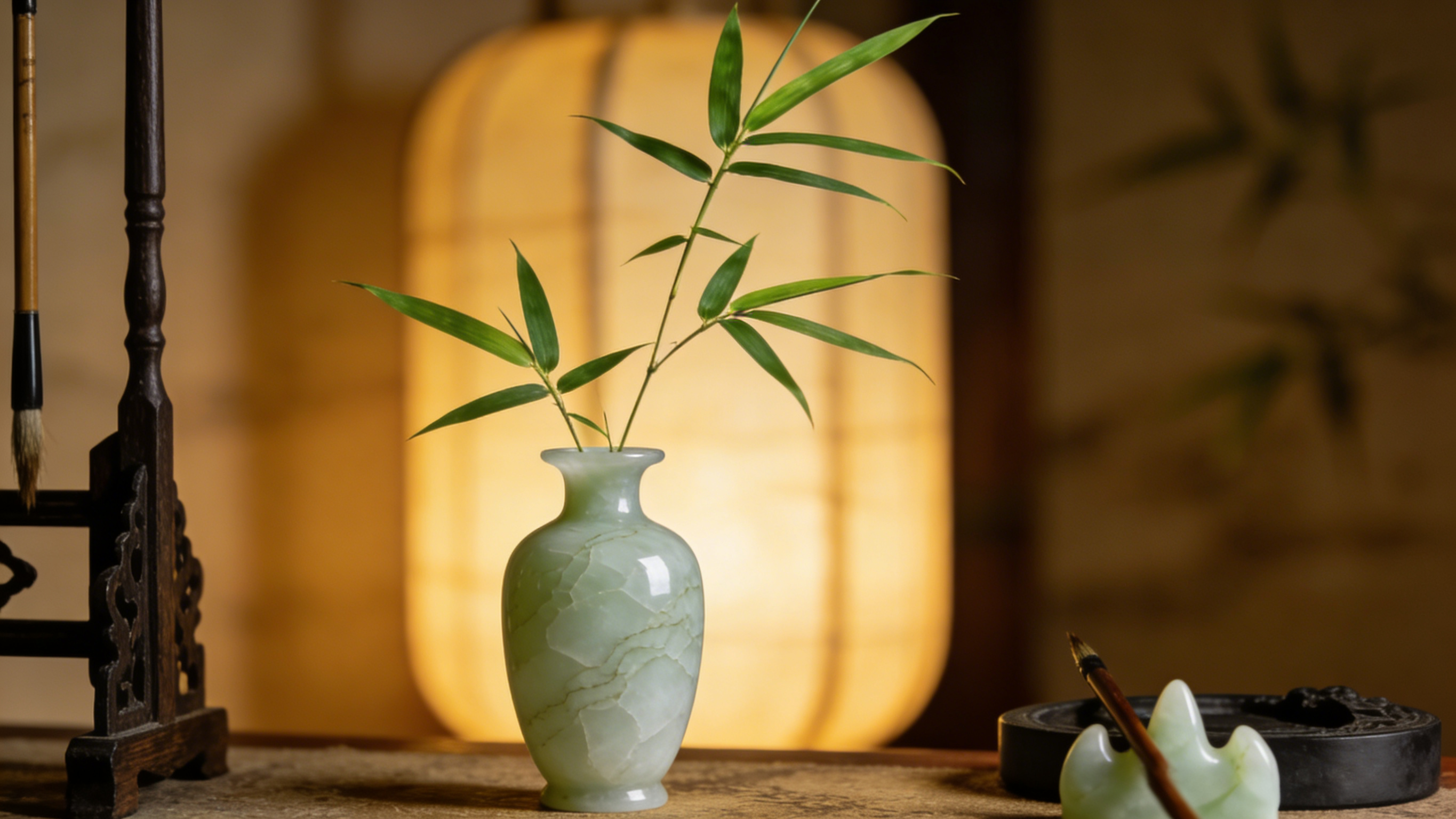
- Restrained color, fitting the literati's aesthetic taste: The colors of Hetian jade are mainly white, blue, yellow and black, all of which are simple and restrained tones without gaudiness and flashiness, coinciding with the "elegant and light" aesthetic advocated by literati. Whether it is the bright white and moist suet white jade, the quiet and elegant blue jade, or the profound and thick black jade, they can blend with the artistic conception of the literati's study and become the finishing elegant object in the study.
- Tough texture, symbolizing the literati's moral integrity: Although Hetian jade has a moist texture, it is tough and not easy to damage. This characteristic of being soft on the outside and firm on the inside is exactly a reflection of the moral integrity of ancient literati. Literati adhered to their original aspirations in troubled times and never gave up their lofty aspirations in prosperous times. The toughness of Hetian jade became a symbol of their spiritual integrity, and collecting Hetian jade was also a persistence and expectation for their own moral integrity.
- Collecting and appreciating jade: The exclusive pastime of literati and refined scholars
In ancient times, the life of literati was inseparable from playing the qin, chess, calligraphy, painting, poetry, wine and flowers, and collecting and appreciating jade became a unique pastime among them, adding a different kind of grace to the literati's daily life. The collection of Hetian jade is not a simple accumulation of artifacts, but a spiritual experience full of ritual and aesthetic feeling, running through every bit of the literati's life.
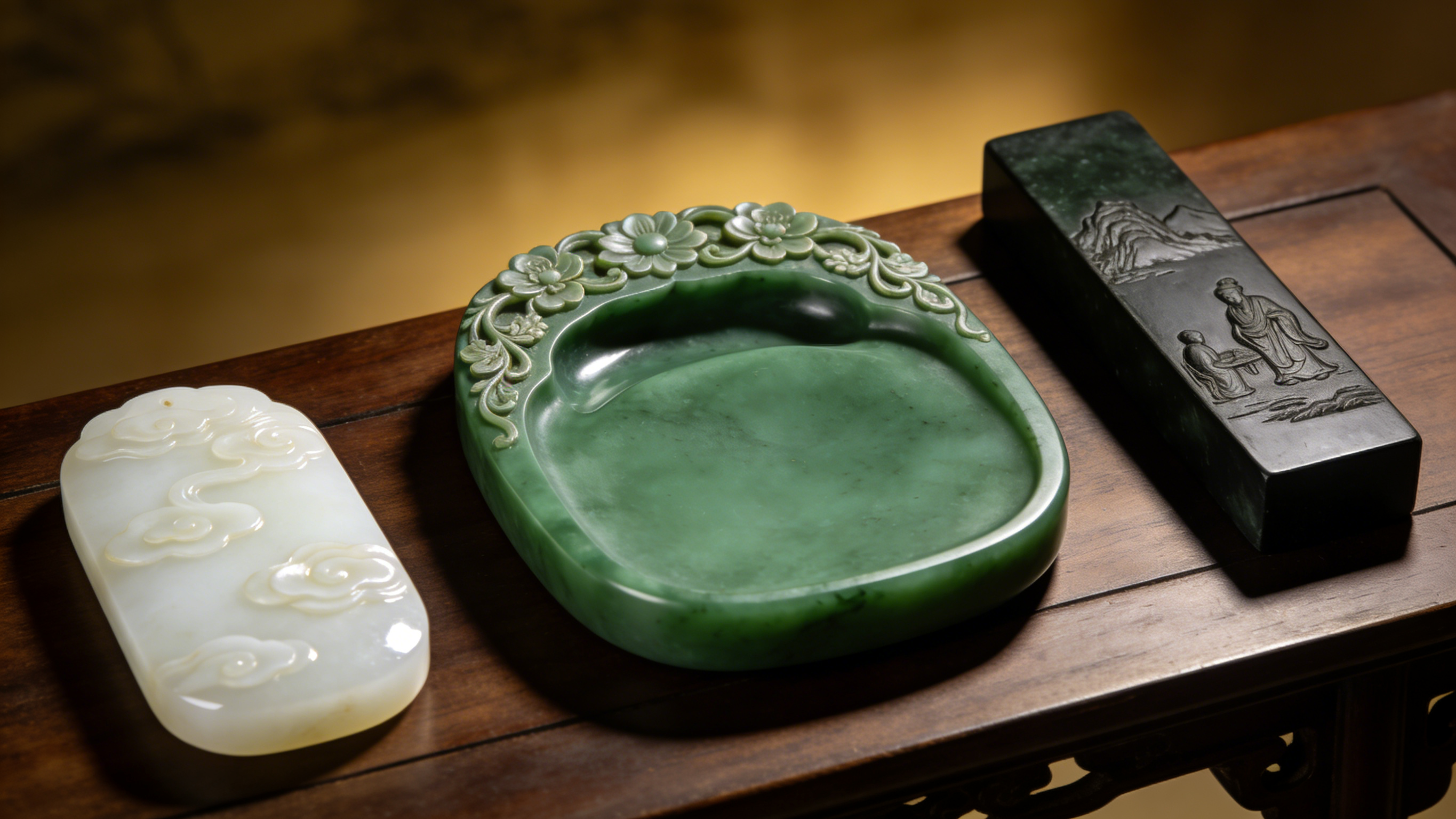
- Placing jade in the study, adding elegance to leisure life: The study of ancient literati is the habitat of their spiritual world, and Hetian jade is an indispensable elegant object in the study. They would carve Hetian jade into study utensils such as paperweights, brush washers, inkstone droppers and seals, integrating the moist jade texture into the daily life of writing brushes, ink, paper and inkstones; they would also place Hetian jade pei and pendants on the desk, rubbing and playing with them in their spare time. When their fingertips touch the moist jade, the impetuousness in their hearts will quietly dissipate, and they can find inner peace in the dialogue with jade.
- Inviting friends to appreciate jade, adding fun to elegant gatherings: When literati gather, they mostly taste tea, discuss poetry and appreciate paintings, and appreciating jade has become an important part of elegant gatherings. When they get a fine Hetian jade collection, literati will invite a few bosom friends to sit around and appreciate it in the study or courtyard, comment on the jade's texture, carving craftsmanship and lines, talk about the cultural allusions behind the jade, exchange experiences and enhance friendship in the process of appreciating jade, making a simple gathering a blend of culture and aesthetics.
- Seeking and collecting jade, adding flavor to the journey: Many literati have the experience of traveling around the world, and seeking and purchasing Hetian jade has become a different pleasure in their journey. They will look for their favorite Hetian jade collections in the antique markets and jade workshops along the way, or search for a small jade pei of superior texture, or readily pay for a jade ornament with exquisite carving craftsmanship. The process of seeking jade is full of unknowns and expectations, and the joy of obtaining jade has become a precious harvest in the journey, making the fun of collection not only in possession, but also in the process of seeking.
- Jade virtue embodies the way: The literati's cultural pursuit in Hetian jade collection
If collecting and appreciating jade is the literati's pastime, then "comparing virtue to jade" is the core cultural pursuit of literati in collecting Hetian jade. Since Confucianism put forward the idea of "a gentleman compares his virtue to jade", jade has become a symbol of a gentleman's virtue. As the fine product of jade, Hetian jade is even a spiritual carrier for literati to practice and pursue a gentleman's virtue, making the collection process a dialogue with culture and virtue.
- Confucian jade virtue, integrated into the literati's jade collection concept: Confucius once proposed that jade has "eleven virtues", namely benevolence, wisdom, righteousness, ritual, music, loyalty, faith, heaven, earth, virtue and way, corresponding the natural characteristics of jade with the moral character of a gentleman one by one, making jade a concrete symbol of virtue. Most ancient literati believed in Confucianism, and when they collected Hetian jade, they also integrated this jade virtue concept into it, regarding Hetian jade as the incarnation of a gentleman. The process of appreciating jade is a process of reflecting on their own virtue and tempering their own character.
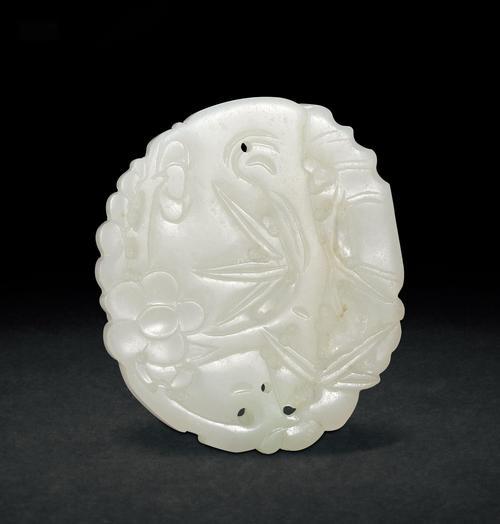
- Expressing aspirations with jade, embodying the literati's spiritual yearning: For literati, collecting Hetian jade is also a way of "expressing aspirations with jade". They would place their ideals, feelings and aspirations in jade, such as carving Hetian jade into patterns of pine, bamboo and plum, symbolizing the integrity of standing firm against the cold frost; carving into patterns of orchid and lotus, symbolizing the noble and refined character. A small Hetian jade pei is not only a collection, but also a sustenance of the literati's spiritual yearning, allowing them to always adhere to their inner spiritual pursuit in secular life.
- Inheriting jade culture, becoming the literati's mission: Ancient literati and refined scholars were not only recipients of culture, but also inheritors of culture. They collected Hetian jade not only for their own spiritual enjoyment, but also hoped to pass on these artifacts carrying Chinese jade culture, so that the jade virtue thought and aesthetic concept behind Hetian jade could continue in the long river of Chinese civilization through the collection and inheritance from generation to generation. Many literati would pass on their treasured Hetian jade to their descendants and tell them to cherish it, making jade a link for the inheritance of family culture, and also making Chinese jade culture thrive among the people.
- The handed-down significance of Hetian jade collection: The continuation and renewal of literati culture
The collection of Hetian jade by ancient literati and refined scholars not only added pastime and elegance to their lives, but also became an important carrier for the integration and coexistence of Chinese jade culture and literati culture, and its handed-down significance has long transcended the artifacts themselves. Those ancient Hetian jade collections that have been handed down to the present day, whether study utensils or jade ornaments, are engraved with the marks of time, and also bear the aesthetic taste, spiritual pursuit and cultural concept of ancient literati.
Today, when we appreciate these ancient Hetian jade collections, we can not only feel the moist beauty and exquisite carving craftsmanship of Hetian jade itself, but also see the life and spiritual world of ancient literati through the texture and lines of jade, experience their aesthetic pursuit of "as moist as jade", and feel their cultural feelings of "comparing virtue to jade". The concept of collecting Hetian jade by ancient literati has also continued to this day. Contemporary collectors still pay attention to the texture and cultural connotation of jade when collecting Hetian jade, making Hetian jade a bridge connecting ancient and modern culture, and letting this literati elegance originating from ancient times glow with new vitality in the new era.
For thousands of years, the moist texture of Hetian jade has not changed, and the love of literati and refined scholars for Hetian jade has never faded. For ancient literati, collecting Hetian jade is an expression of pastime, a sustenance of the spiritual world, and a concrete embodiment of cultural pursuit. A piece of Hetian jade bears the literati's feelings, engraves the marks of culture, flows quietly in the long river of Chinese civilization, as moist as ever, and becomes an everlasting scenery in traditional Chinese culture.